How a 70-200mm Lens Fixed My Worst Compositional Habit (Lessons from Nigel Danson)

How a 70-200mm Lens Fixed My Worst Compositional Habit (Lessons from Nigel Danson)

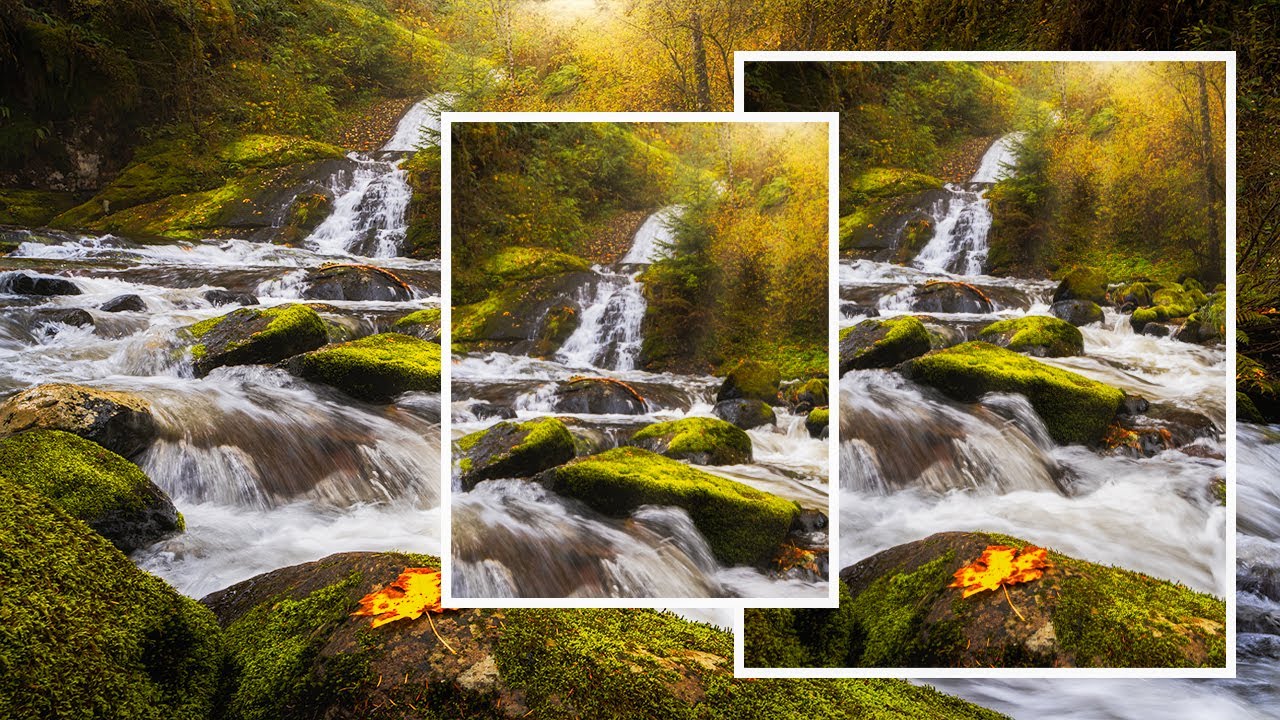
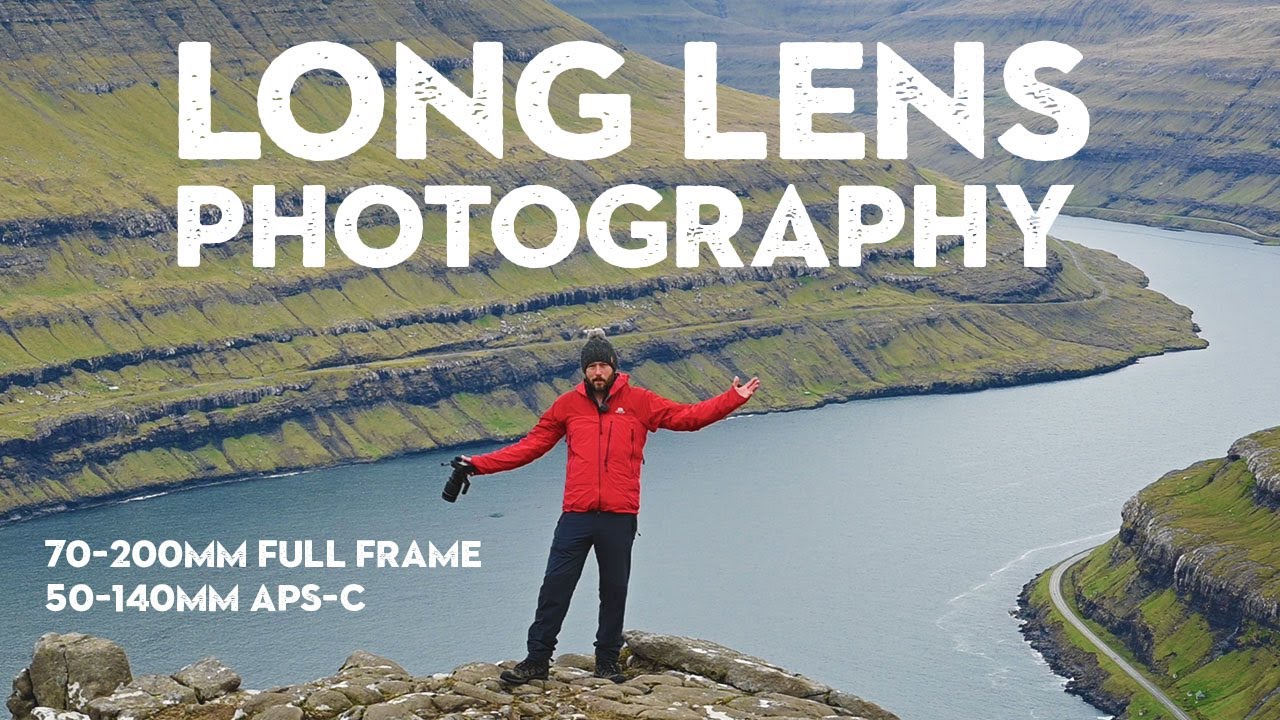
I have a problem with wide-angle lenses. I lean on them too hard, too fast, and too often. When I’m out shooting and the scene feels cluttered or I can’t find a strong composition, my default is to get closer and go wider, which usually makes things worse, not better. I’ve been aware of this habit for a while, but it took watching someone else work through the exact opposite approach to actually shift how I think about it.
Every Sony 50mm Autofocus Lens Ranked: What a 11-Lens Shootout Actually Taught Me

Every Sony 50mm Autofocus Lens Ranked: What a 11-Lens Shootout Actually Taught Me

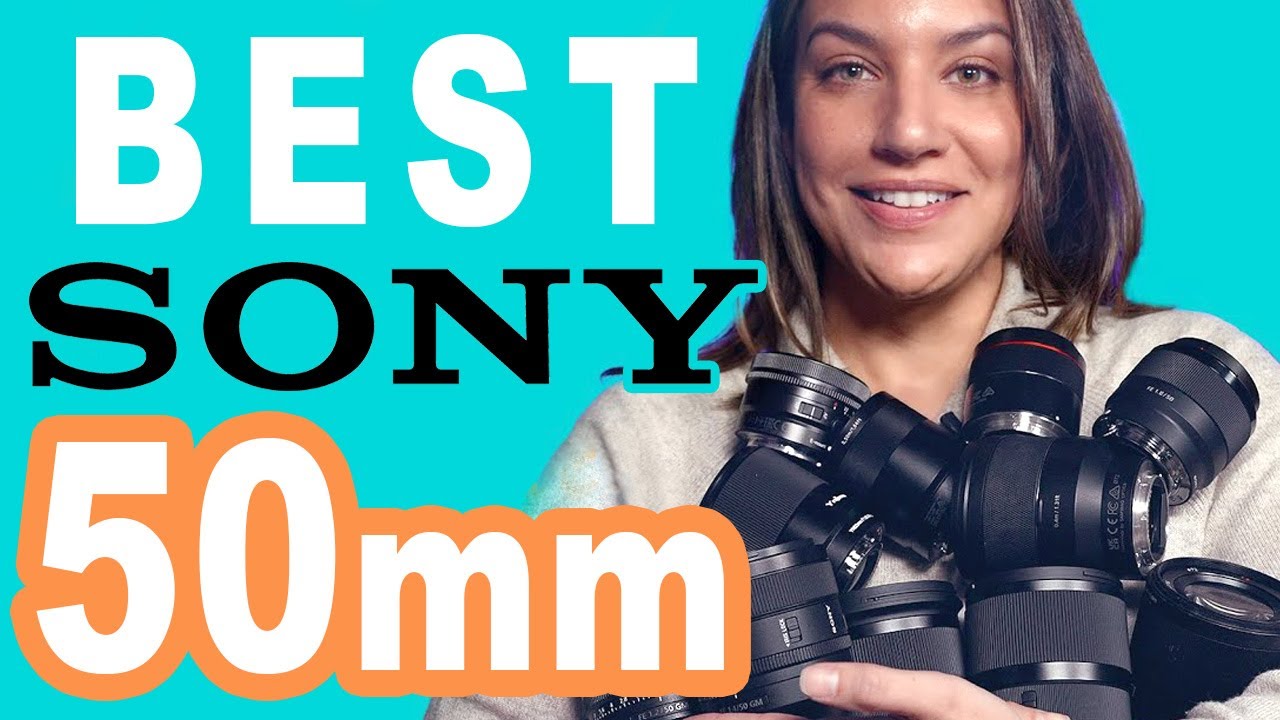
If you’re still shooting on the kit lens that came with your camera, I get it. That’s exactly where I started. But the single upgrade that changed how my images looked wasn’t a new camera body or a fancy flash. It was a fast 50mm prime. The subject separation alone, pulling your subject out of a cluttered background with a wide aperture, makes your photos look intentional rather than accidental. And in low light, a fast 50mm is the difference between a clean, usable shot and something grainy and soft that you’d never post.

Small Composition Fixes That Make a Big Difference (Lessons from Nigel Danson's Photo Critiques)

Small Composition Fixes That Make a Big Difference (Lessons from Nigel Danson's Photo Critiques)

I spend a lot of time hunting deals and testing budget gear, and my whole argument is that the camera isn’t what’s holding most people back. But after watching enough work from photographers at every price point, I’ll admit the honest truth: cheap gear isn’t holding people back either. Composition is. Cropping is. Knowing when to simplify is. Those are free skills, and most of us, myself included, are still building them.

Which Lens Actually Wins for One-Light Portraits? A Breakdown of The Slanted Lens Tutorial

Which Lens Actually Wins for One-Light Portraits? A Breakdown of The Slanted Lens Tutorial

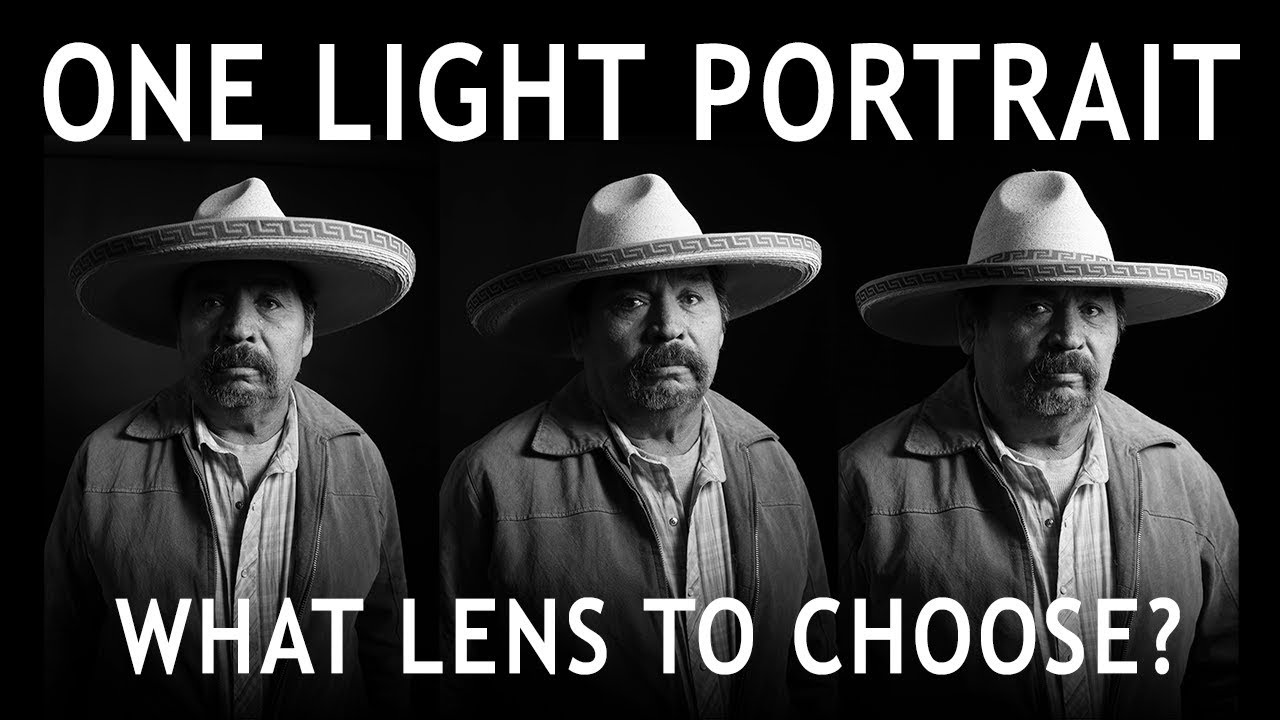
I’ve tested more budget lenses than I care to admit - there’s literally a spreadsheet on my desktop right now with 34 entries. But for a long time, I defaulted to whatever was in my bag without really thinking hard about why a specific focal length was the right call for a portrait session. That changed when I started paying closer attention to how focal length shapes the face, not just the frame.

What Shooting Street With the Sigma 65mm F/2 Actually Teaches You About Focal Length Gaps

What Shooting Street With the Sigma 65mm F/2 Actually Teaches You About Focal Length Gaps

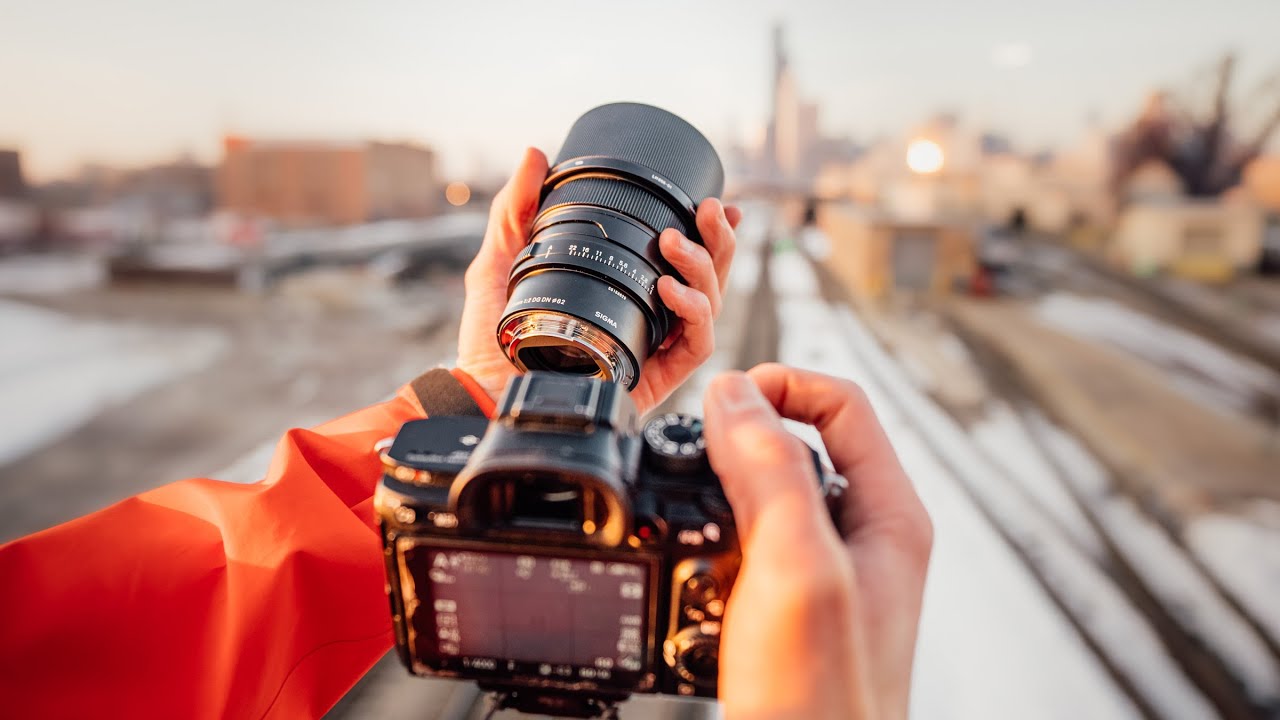
There’s a gap in most photographers’ kits that nobody talks about until they’re standing on a street corner wishing they had something between their 35mm and their 85mm. I’ve been there more times than I want to admit. My spreadsheet of tested lenses has columns for focal length, max aperture, price per millimeter of reach (yes, really), and “gap filler” potential. The 65mm focal length almost never shows up in that spreadsheet, because most manufacturers skip it entirely.

Stop Blowing Out Your Highlights: A Practical Lightroom Fix That Takes 10 Seconds

Stop Blowing Out Your Highlights: A Practical Lightroom Fix That Takes 10 Seconds

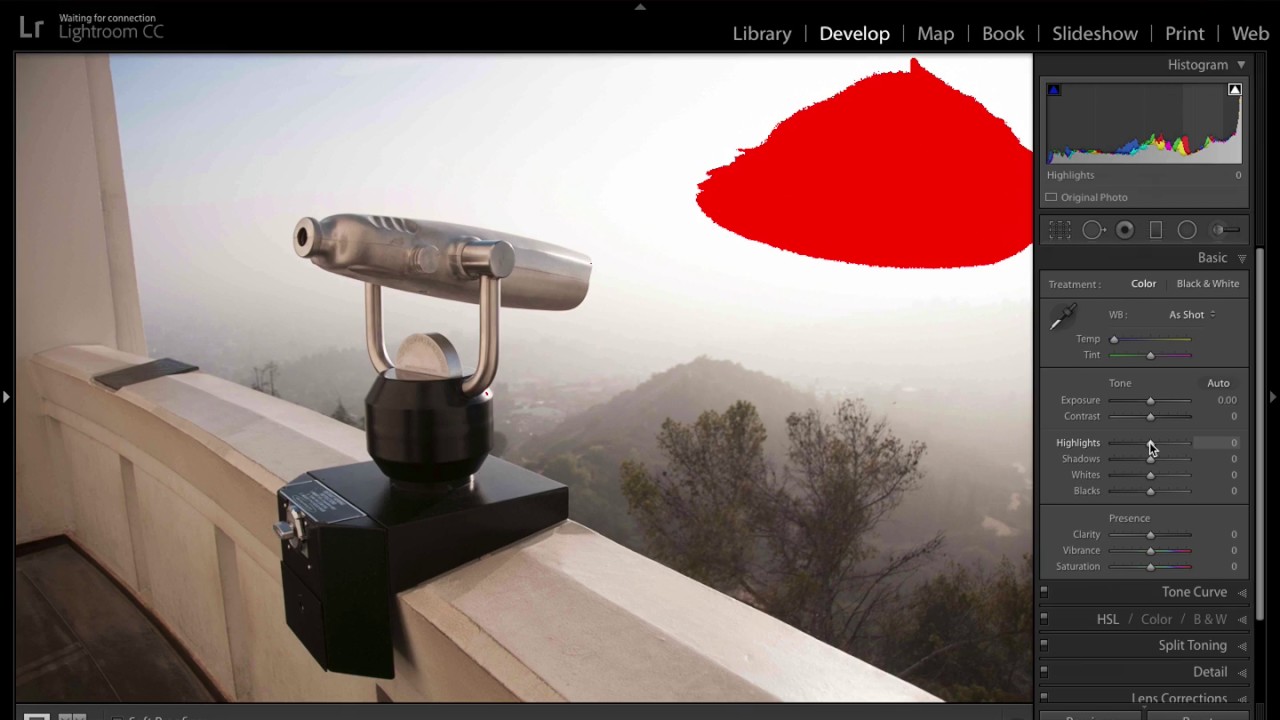
Blown-out highlights are one of those problems that can quietly ruin an otherwise great shot. You nail the composition, the light is interesting, and then you open the file in Lightroom and there’s a dead white patch eating through the brightest part of the frame. No detail. No texture. Just nothing. I’ve trashed more keepers than I’d like to admit because I didn’t have a clean, fast workflow for handling this, and I kept reaching for the wrong tool first.

How to Build Photography Kits That Actually Save You Time (and Money) on Every Shoot

How to Build Photography Kits That Actually Save You Time (and Money) on Every Shoot

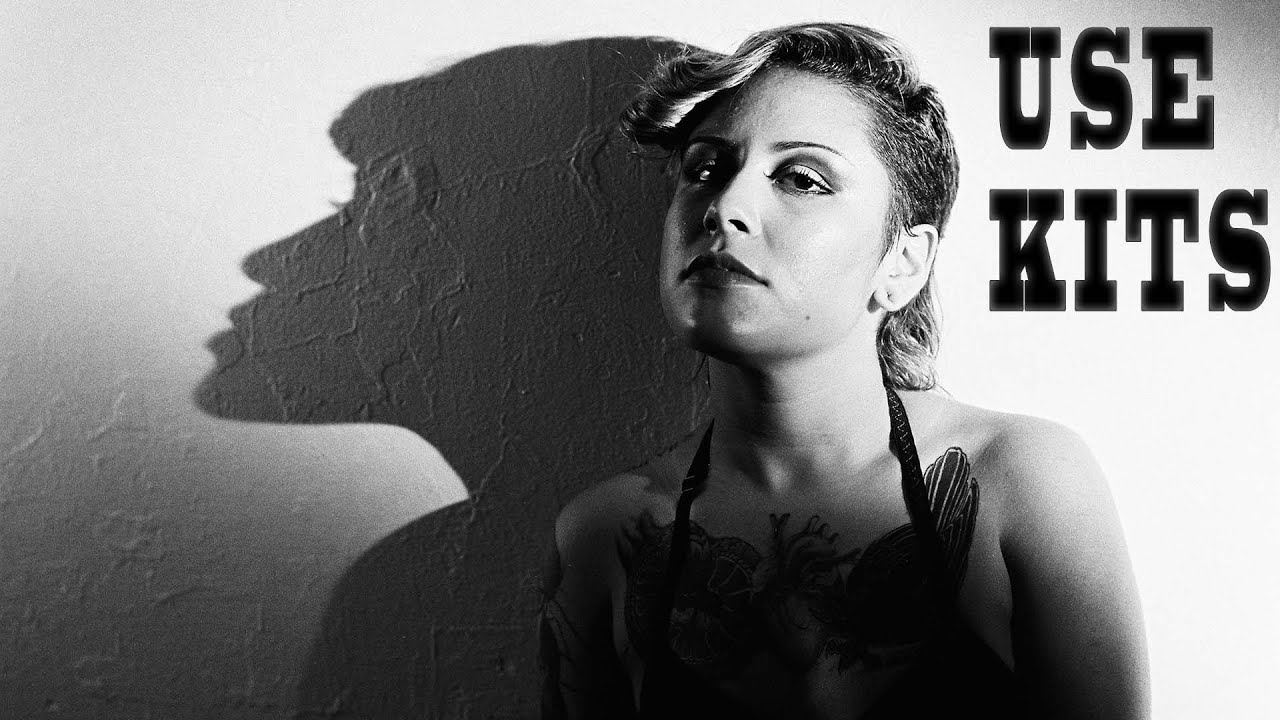
I used to spend 45 minutes before every shoot hunting down the same USB-C cable I knew I owned. It wasn’t lost. It was just in the wrong bag, or on my desk, or charging something else. That kind of friction doesn’t sound like a big deal until you’re running late to a client job and your laptop is at 4% battery. The fix isn’t buying better gear. It’s building smarter kits.

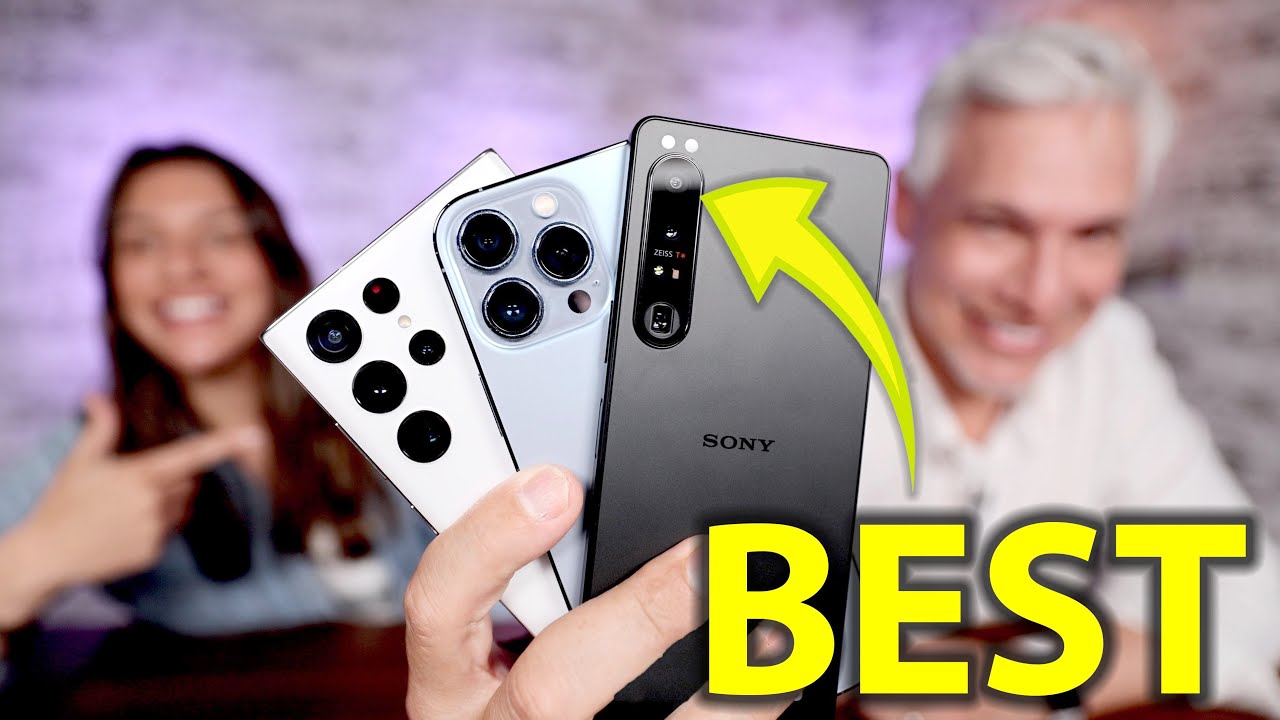
Sony Xperia 1 IV vs iPhone 13 Pro: What a Real Camera Test Reveals About Smartphone Hype

Sony Xperia 1 IV vs iPhone 13 Pro: What a Real Camera Test Reveals About Smartphone Hype

I spend a lot of time arguing that gear matters less than people think. But smartphone cameras are one place where the hardware differences are real, measurable, and directly affect what you can and can’t capture. The question I keep getting from readers is whether any Android phone is actually worth switching to if you’re a photographer who wants real manual control. Not just “pro mode” buried three menus deep, but actual control over exposure, focus, and timing.

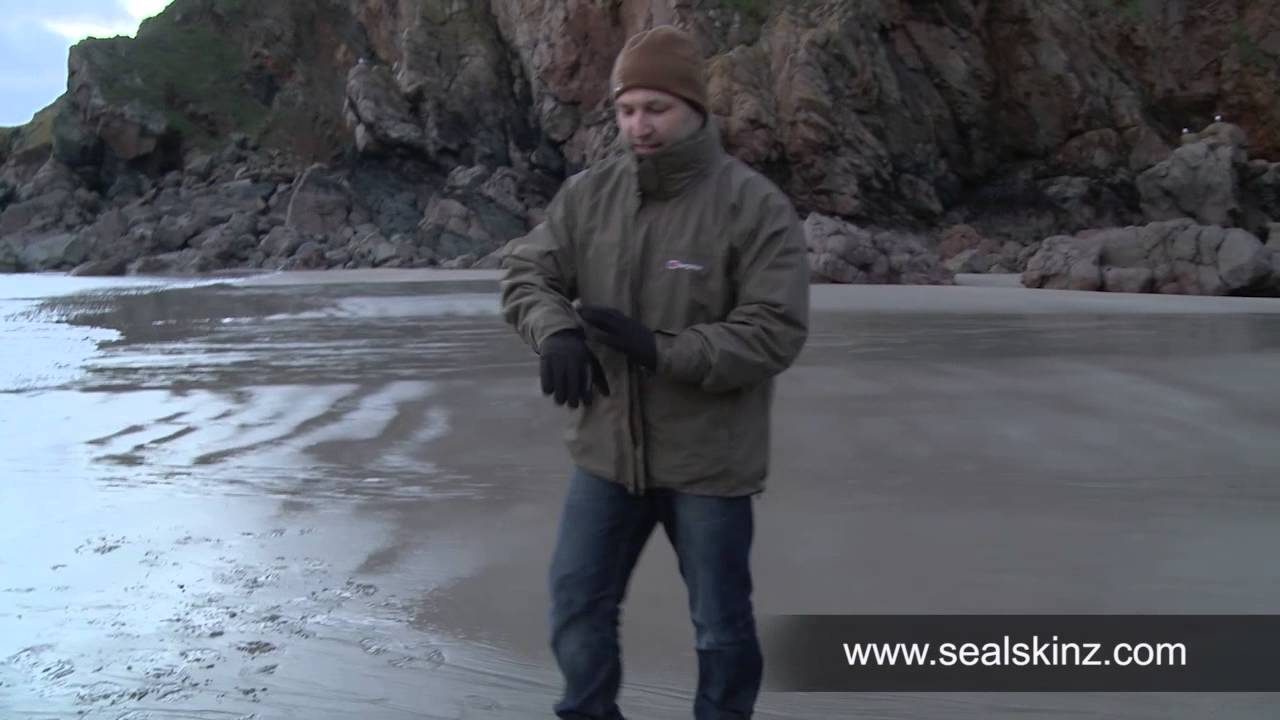
Why Your Cold-Weather Gear Is Just as Important as Your Camera Gear

Why Your Cold-Weather Gear Is Just as Important as Your Camera Gear

There’s a version of me from a few years back who showed up to a winter sunrise shoot in a hoodie and running shoes. I lasted about 40 minutes before my hands locked up and I was speed-walking back to my car with maybe a dozen frames worth keeping. That was an expensive lesson, not in money lost but in light lost. Golden hour doesn’t wait for you to warm up.

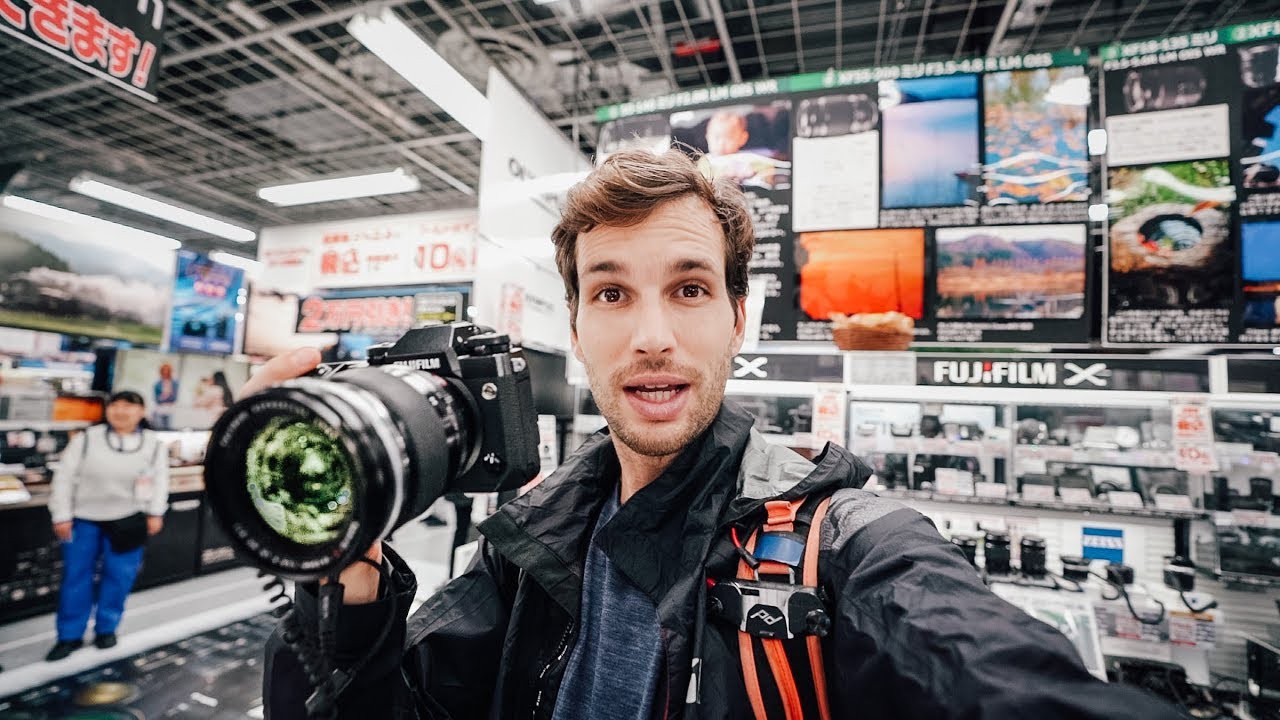
What a Tokyo Camera Megastore Teaches You About Lens Obsession (And When to Walk Away)

What a Tokyo Camera Megastore Teaches You About Lens Obsession (And When to Walk Away)

There’s a version of gear addiction that looks responsible. You tell yourself you’re just researching. You watch reviews, read forums, compare MTF charts. I know this cycle intimately because I’ve lived it, and honestly, building a spreadsheet comparing every budget lens I’ve tested is basically my personality at this point. The trap isn’t wanting better gear. The trap is confusing hands-on testing with buying decisions made from spec sheets alone. That’s exactly why a video like this one caught my attention.

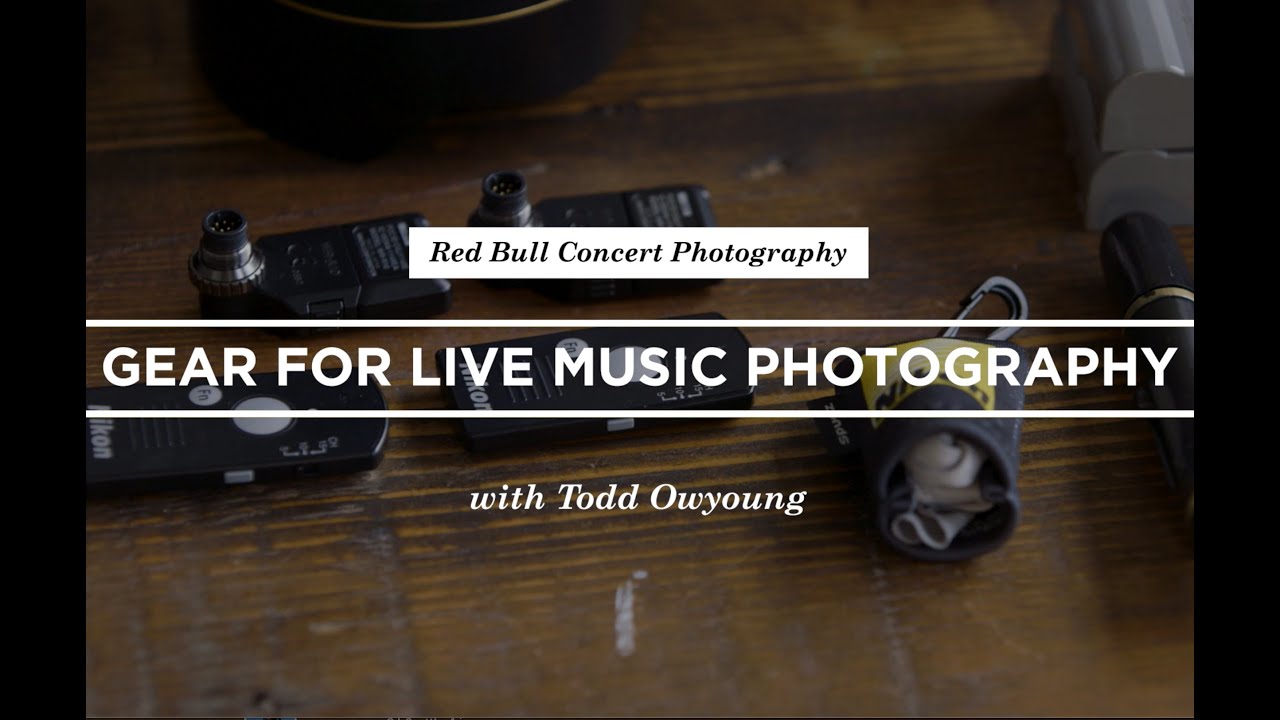
What a Pro Music Photographer Actually Carries to a Show (And Why It Matters for the Rest of Us)

What a Pro Music Photographer Actually Carries to a Show (And Why It Matters for the Rest of Us)

I used to think concert photography was mostly about being in the right place at the right time. Then I started paying attention to why certain photographers consistently walked away with usable frames while others came home with a memory card full of blurry, noise-smeared disappointments. The short answer: gear choices matter more in a dark pit than almost anywhere else in photography, and the decisions you make before you walk through the door determine a lot.

Two Lenses, Zero Regrets: What Mark Denney's Gear Purge Taught Me About Shooting Smarter

Two Lenses, Zero Regrets: What Mark Denney's Gear Purge Taught Me About Shooting Smarter

I’ve tracked lens prices on spreadsheets longer than most people track their finances, and the question I field more than any other is still: “Which lens should I get for landscapes?” It’s the kind of question that sounds simple but hides a real trap. Ask ten photographers and you’ll get ten different answers, most of them shaped by sunk cost and brand loyalty more than actual field experience. So when I came across a tutorial where a respected landscape photographer walks through selling off nearly his entire lens collection and explains exactly what he kept and why, I stopped what I was doing and watched it twice.