Sony Alpha Lens Codes Decoded: What Those Letters Actually Mean Before You Buy

Sony Alpha Lens Codes Decoded: What Those Letters Actually Mean Before You Buy

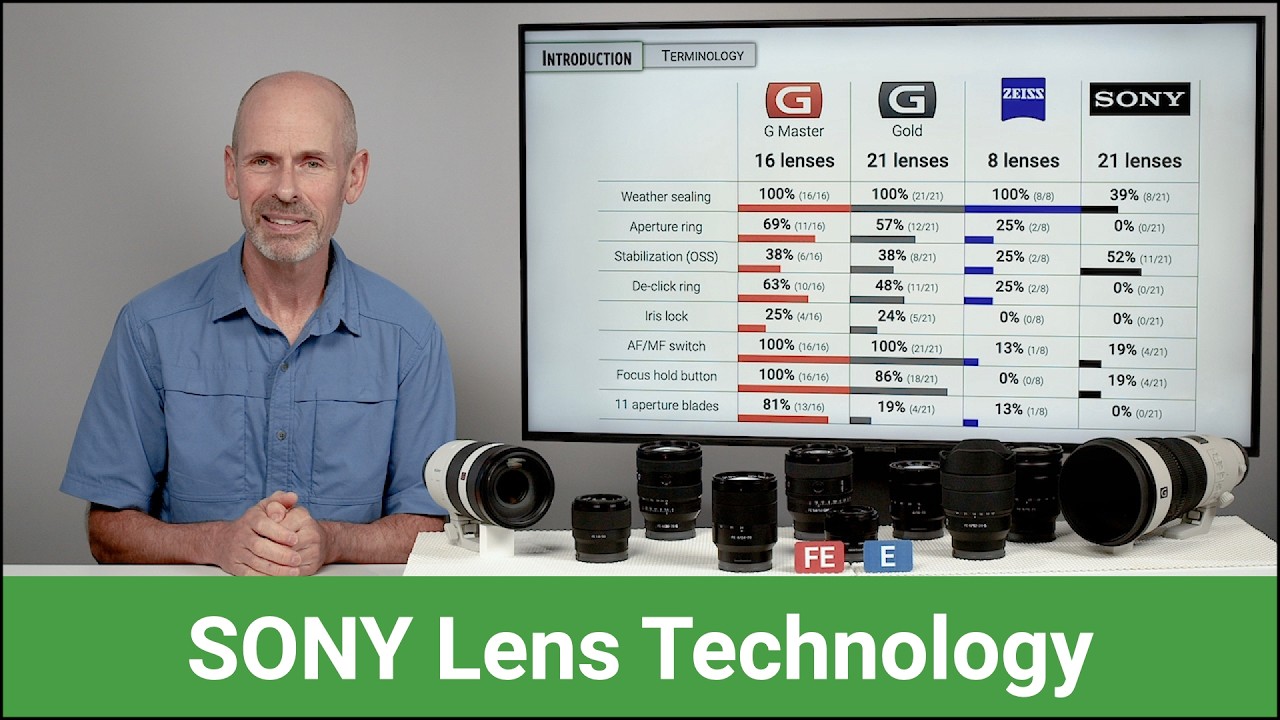
When I first started seriously shopping Sony glass, I did what most people do: I filtered by price, squinted at sample images, and then got completely lost in the alphabet soup printed on the barrel. FE. G. GM. Zeiss T*. I had no idea which letters actually mattered for my shooting and which ones were just Sony marketing their way into my wallet. Every forum thread I found either assumed I already knew or dissolved into brand wars.
Is Bokeh Fire the Smarter Way to Build a Lens Kit? Here's What JP Morgan Found Out

Is Bokeh Fire the Smarter Way to Build a Lens Kit? Here's What JP Morgan Found Out

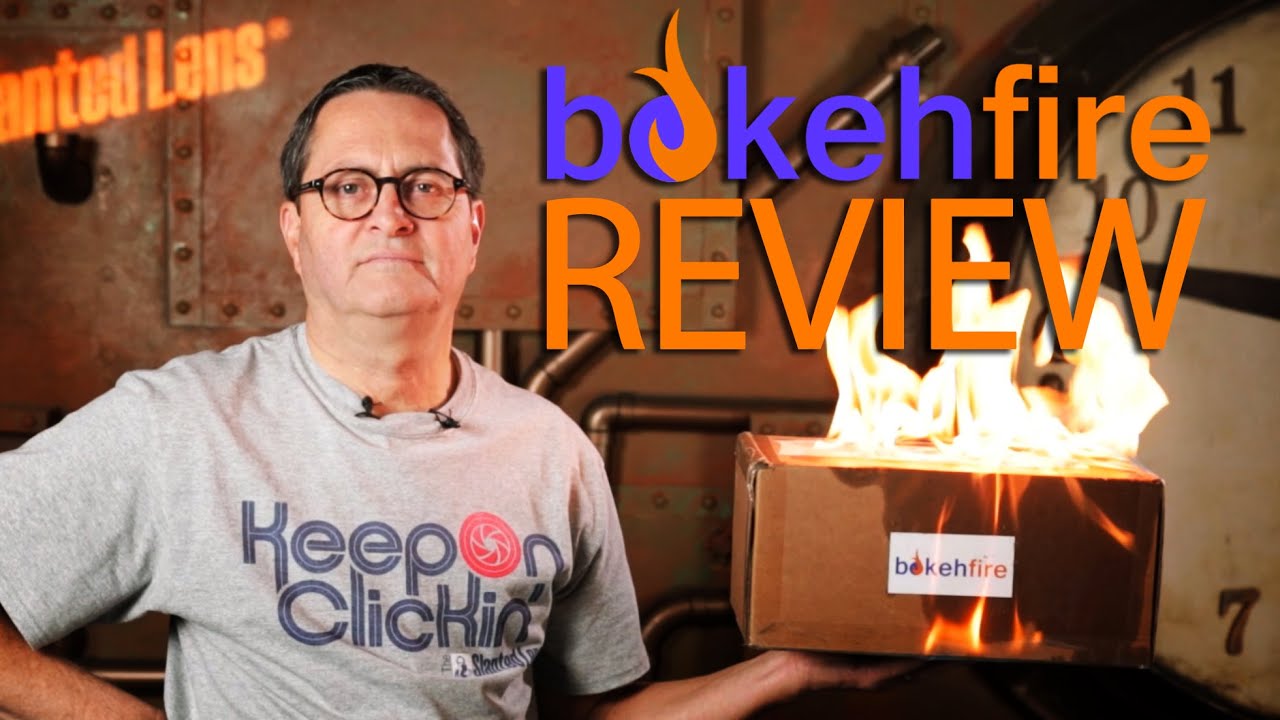
I’ve spent a lot of money on lenses I barely use. There’s a tilt-shift sitting on my shelf right now that I’ve touched maybe four times in two years. Every time I look at it, I do the math: what that thing cost divided by the number of shoots it’s actually appeared on. It’s not a flattering calculation. So when JP Morgan over at The Slanted Lens dropped a review of a service called Bokeh Fire, I watched it twice.

How to Pack a Travel Photography Bag That Actually Works (Without Overpacking)

How to Pack a Travel Photography Bag That Actually Works (Without Overpacking)

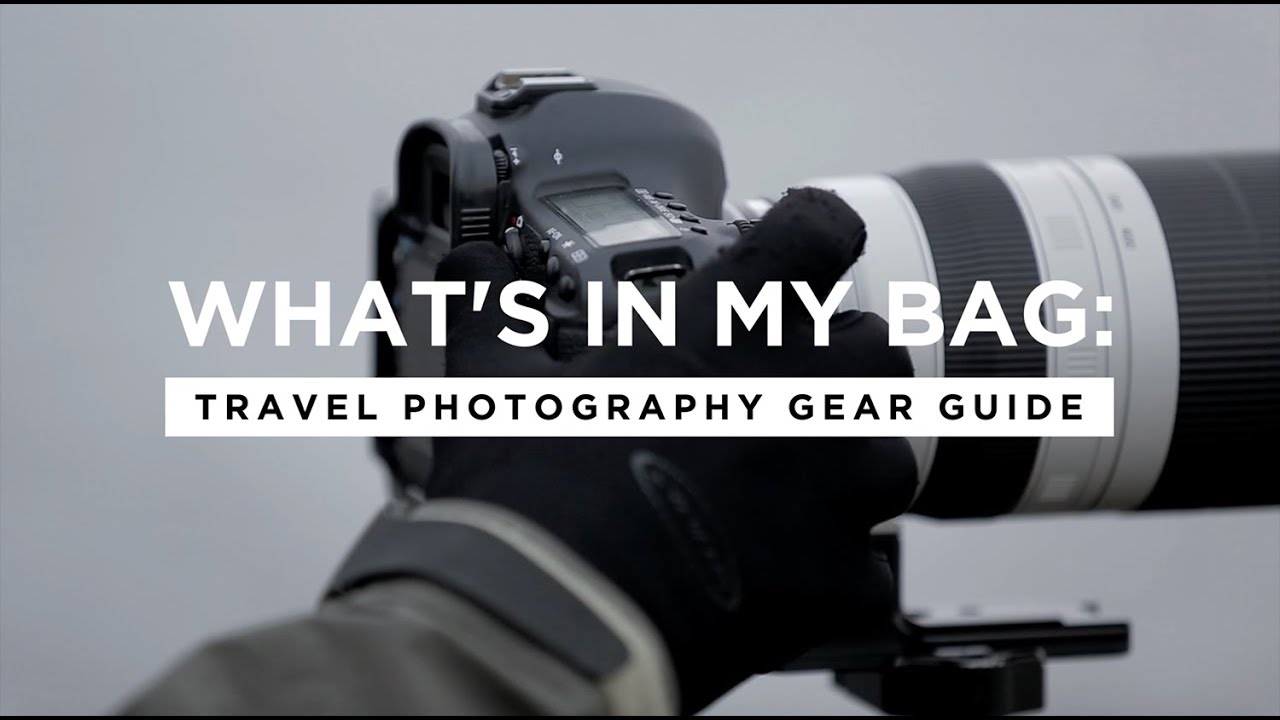
Every time I prep for a trip, I waste at least an hour second-guessing my gear. Do I need the extra lens? Is this tripod too heavy? Can I get away with just one camera body? I’ve been guilty of showing up to shoot a weekend trip with a bag so heavy my shoulders hated me by noon. That’s the real problem with travel photography gear advice — most of it is written by people who aren’t actually carrying the bag all day.

The Camera Accessories Actually Worth Buying (And the Ones Draining Your Wallet)

The Camera Accessories Actually Worth Buying (And the Ones Draining Your Wallet)

The Accessory Aisle Is Where Camera Budgets Go to Die Last year I walked into a camera store to grab a spare battery. I walked out $340 lighter. A circular polarizer, a “premium” cleaning kit, a lens hood I didn’t need, and a bag that I’ve since replaced with a $28 Lowepro off Amazon. None of those purchases made my photos better. Not one. This is the trap with camera accessories.

Your Photos Aren't Bad — Your Composition Awareness Is (Here's How to Fix It)

Your Photos Aren't Bad — Your Composition Awareness Is (Here's How to Fix It)

There’s a specific kind of disappointment I know too well: you’re out shooting, the light is perfect, the subject is right there, and you feel like you’re absolutely nailing it. Then you get home, pull the images up on your monitor, and something is just… off. The photo doesn’t land. You can’t quite explain why, but it doesn’t work. For a long time I chalked this up to gear. Different lens, maybe.

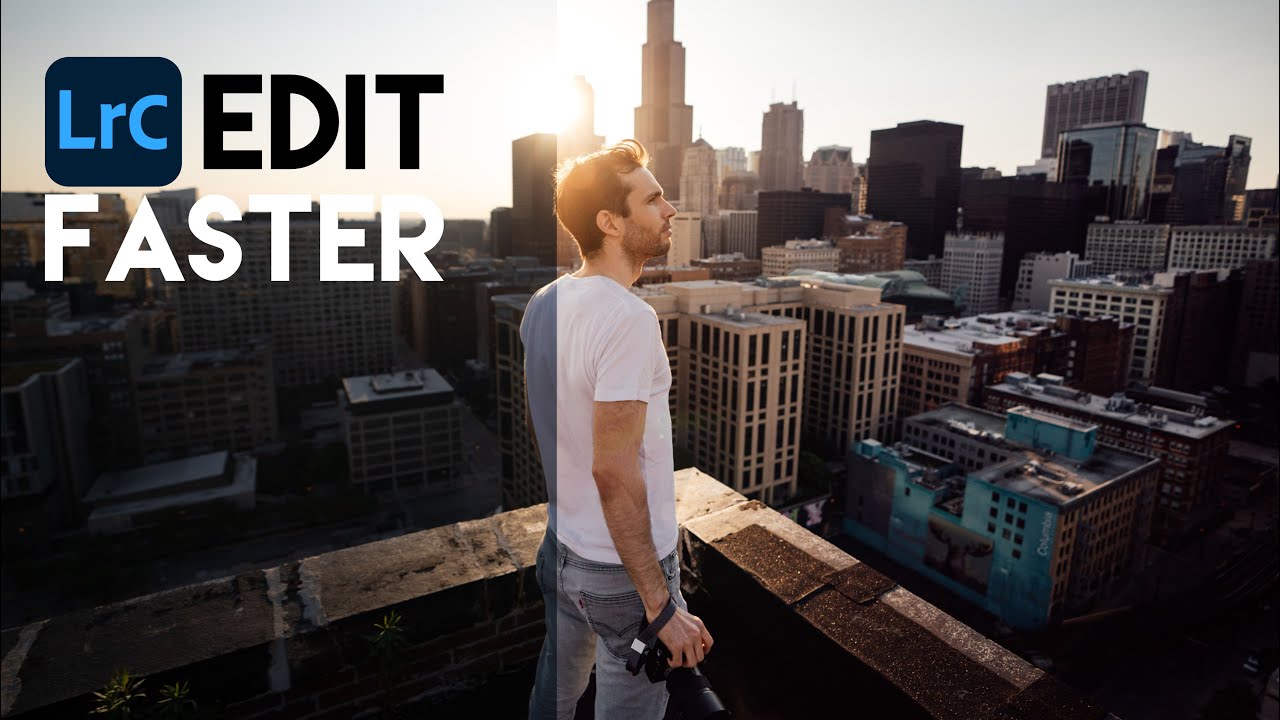
Edit Faster in Lightroom: Keyboard Shortcuts and the Loupedeck+ Explained

Edit Faster in Lightroom: Keyboard Shortcuts and the Loupedeck+ Explained

Speed is the thing nobody talks about when they teach editing. Tutorials love to obsess over which preset looks most cinematic or how many luminosity masks you should stack, but the real killer of a good editing session is friction. Every time you reach for a slider with your mouse, hunt for a panel, or break your visual focus to click something, you’re slowing down your creative momentum. I’ve felt this acutely working through large batches of photos where the difference between a productive evening and a frustrating one is almost entirely about how efficiently I can move through images.

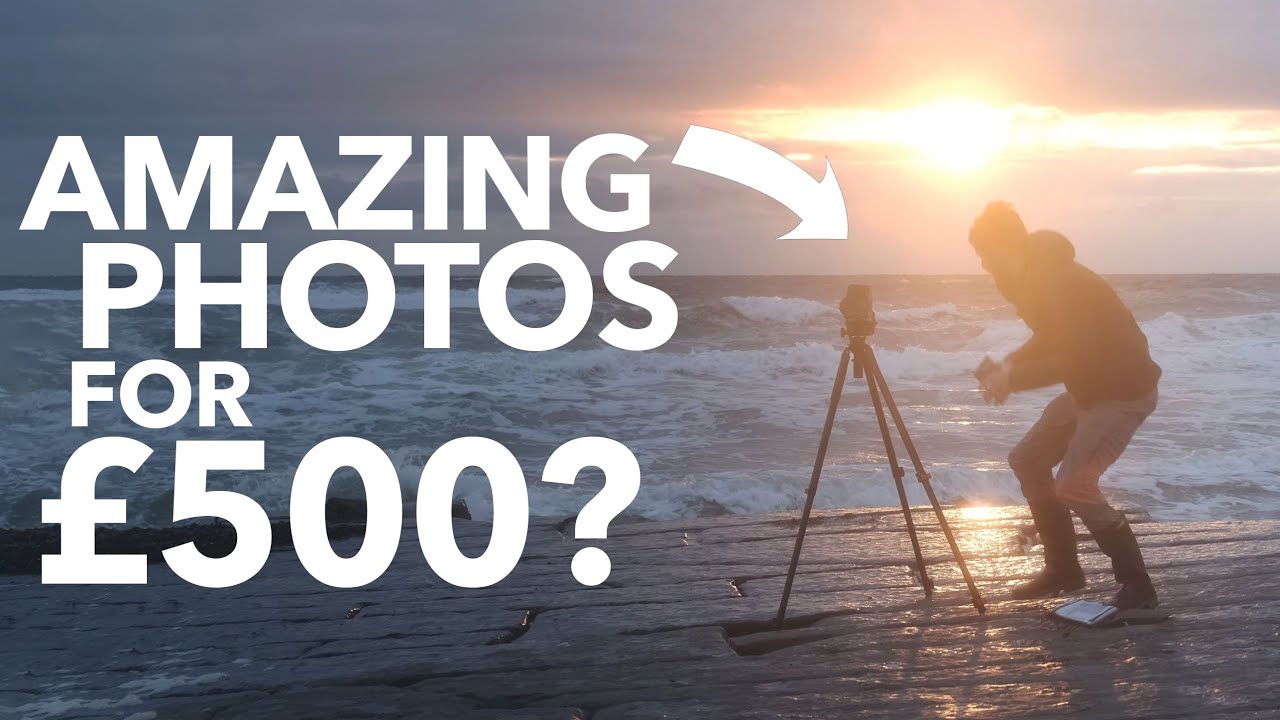
The £500 Landscape Kit That Actually Works (And Why We've All Been Brainwashed Into Spending More)

The £500 Landscape Kit That Actually Works (And Why We've All Been Brainwashed Into Spending More)

I run a blind test at almost every local meetup I attend. I hand people two sets of prints, one shot on a $500 kit, one on a $2,000 kit, and ask them to pick the “professional” photos. They’re wrong more often than they’re right. I’ve been making that point for years, but it still feels like swimming upstream when the broader photography world treats a four-figure budget as the bare minimum to get started.

Why This $37 Power Bank Might Be the Best Gear Investment for Travel Photographers

Why This $37 Power Bank Might Be the Best Gear Investment for Travel Photographers

The Power Bank I Wasn’t Expecting to Love I’ll be honest: power banks bore me. They’re one of those commodity products where you assume all the $30-40 options are functionally identical. Last spring, heading out to Nepal for an extended shoot, I needed to replace my ancient Anker unit. I wasn’t hunting for innovation—just something that wouldn’t die halfway through a trek. That’s when I grabbed the Orfeika Power Bank for about $37.

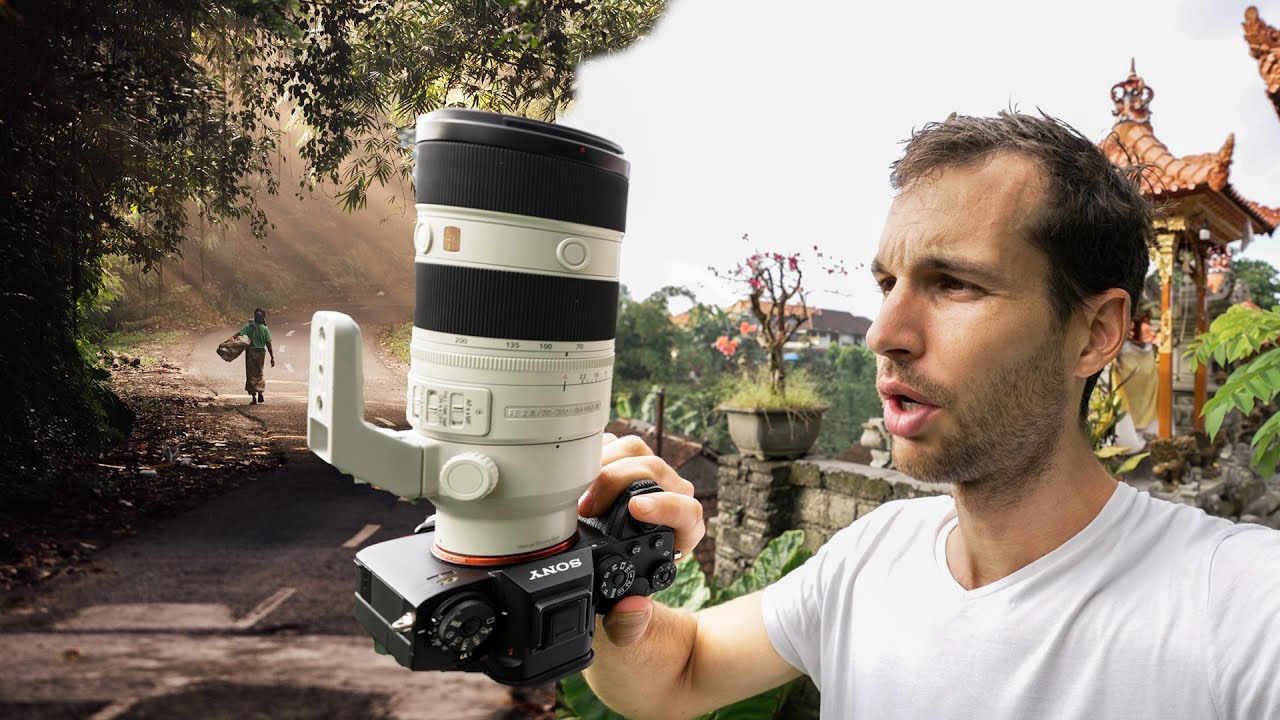
How Pierre T. Lambert Uses a 70-200mm for Street Photography (And Why It Actually Works)

How Pierre T. Lambert Uses a 70-200mm for Street Photography (And Why It Actually Works)

Street photography is one of those disciplines where everyone has an opinion about the “right” gear. Prime lenses only. Go wide or go home. You need to be close to make it real. I’ve heard all of it, and honestly, I’ve repeated some of it myself. So when I came across this Pierre T. Lambert tutorial shot entirely on location in Ubud, Bali, using a 70-200mm zoom for street work, it stopped me mid-scroll.

Tamron's Lens Utility Mobile 4.0 Turns Your Android Into a Cinematic Focus Controller

Tamron's Lens Utility Mobile 4.0 Turns Your Android Into a Cinematic Focus Controller

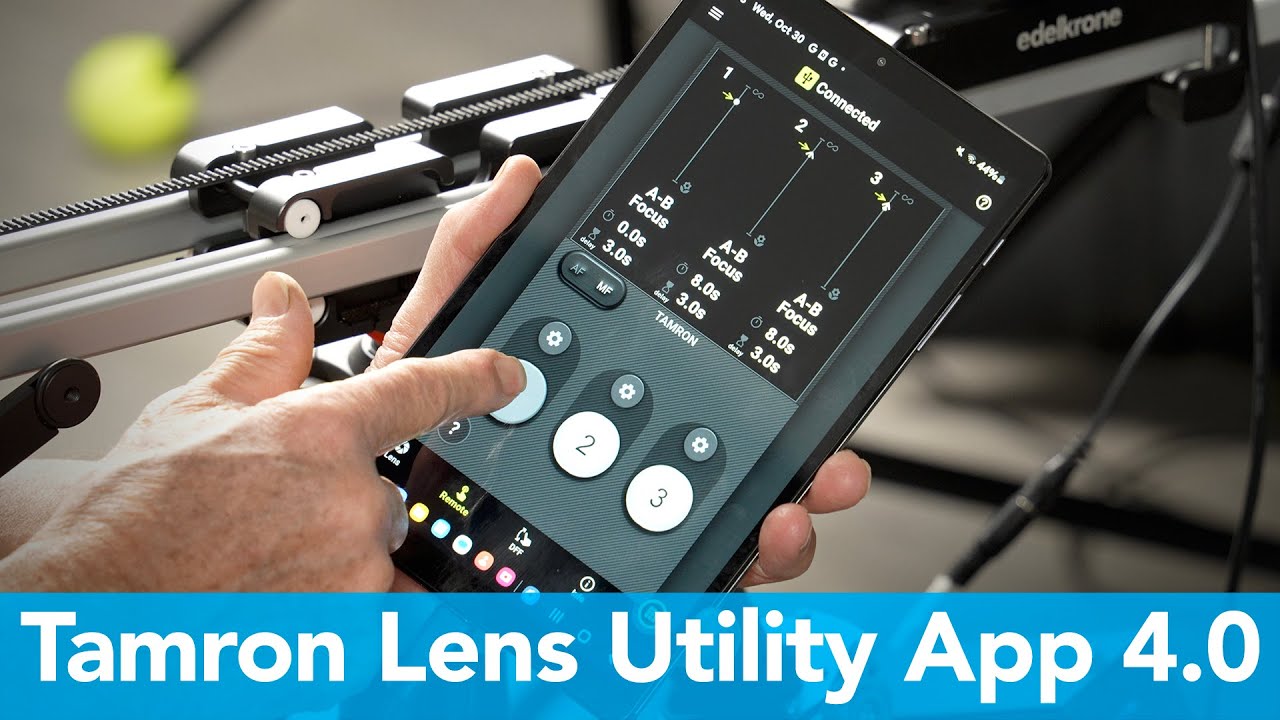
I shoot a lot of solo video work. No focus puller, no assistant, just me, a camera, and whatever I can rig together to make the footage not look like a disaster. For a long time, pulling focus manually mid-shot meant either a botched take or buying into a follow focus system that cost more than my first camera kit. So when I came across this The Slanted Lens tutorial on Tamron’s Lens Utility Mobile app version 4.

What a Tilt-Shift Lens Actually Does (And Why You Should Rent One Before You Buy)

What a Tilt-Shift Lens Actually Does (And Why You Should Rent One Before You Buy)

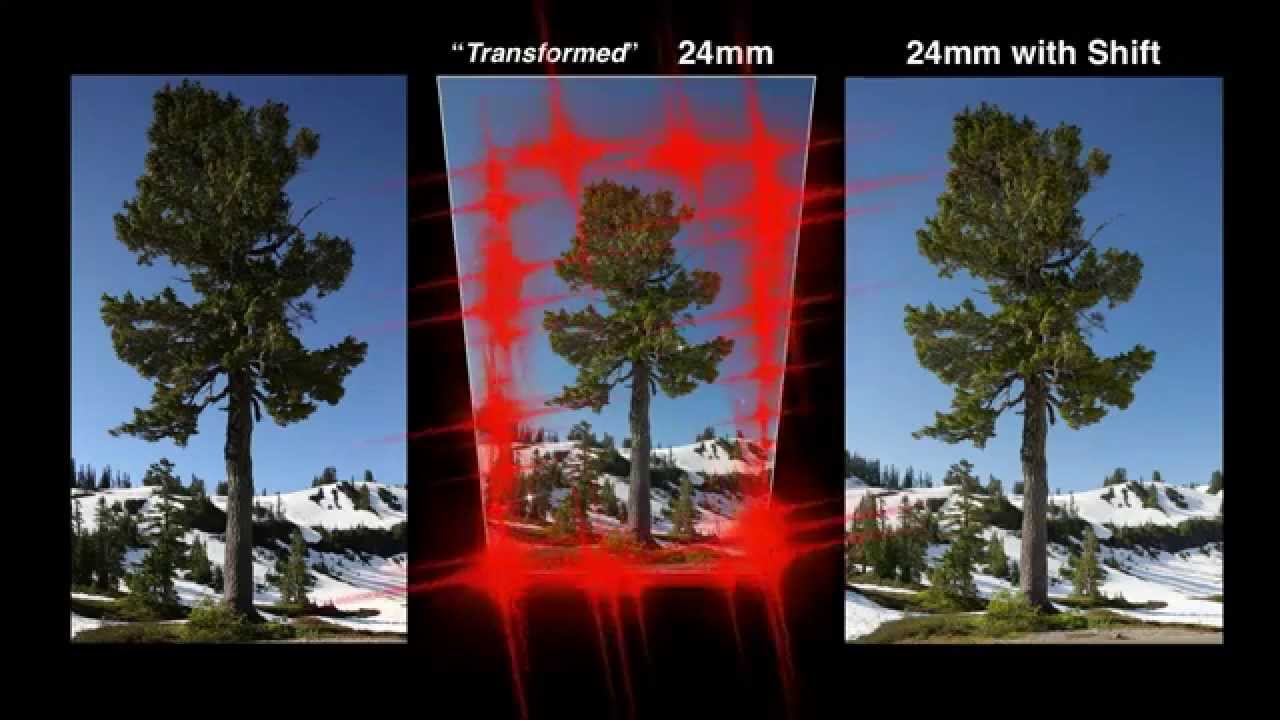
Most photographers never touch a tilt-shift lens. They’re expensive, they’re manual-everything, and the learning curve is steep enough that most people just skip them entirely. I get it. For years I filed them under “gear I’ll worry about when I’m rich,” right next to medium format backs and cinema-grade gimbals. But I kept running into situations where my shots of tall trees, building interiors, and wide landscape scenes looked just slightly wrong, and I couldn’t fix it cleanly in post without weird stretching artifacts.

Samsung's New Credit Card: A Smart Move for Gear Addicts or Just Another Gimmick?

Samsung's New Credit Card: A Smart Move for Gear Addicts or Just Another Gimmick?

Samsung’s Playing the Credit Card Game—But Should You Care? Samsung just dropped a credit card into the market, and naturally, the tech world is buzzing. The headline sounds impressive: up to five percent cash back on purchases. But before you rush to apply, let’s cut through the marketing noise and talk about what this actually means for photographers like us. The Setup: More Money Back on Gear? Here’s the basic premise: Samsung wants to incentivize loyalty through a branded credit card that rewards you when you buy their stuff.