Latest Articles

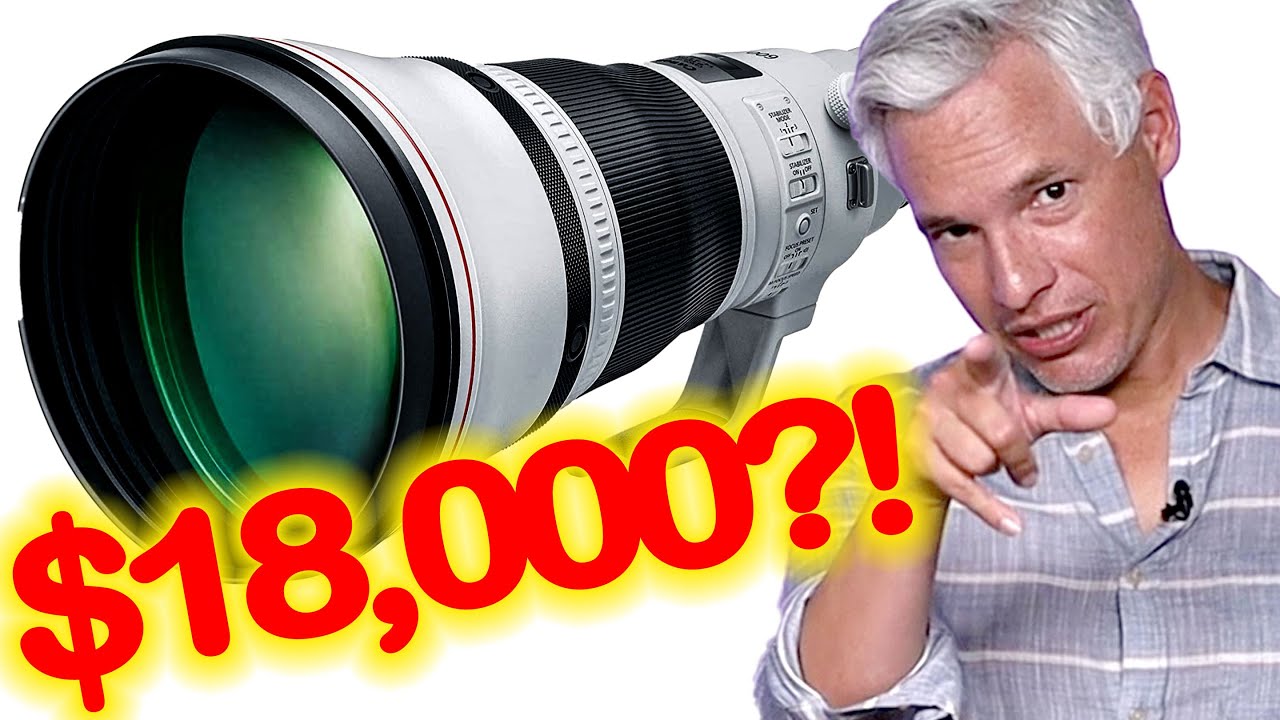
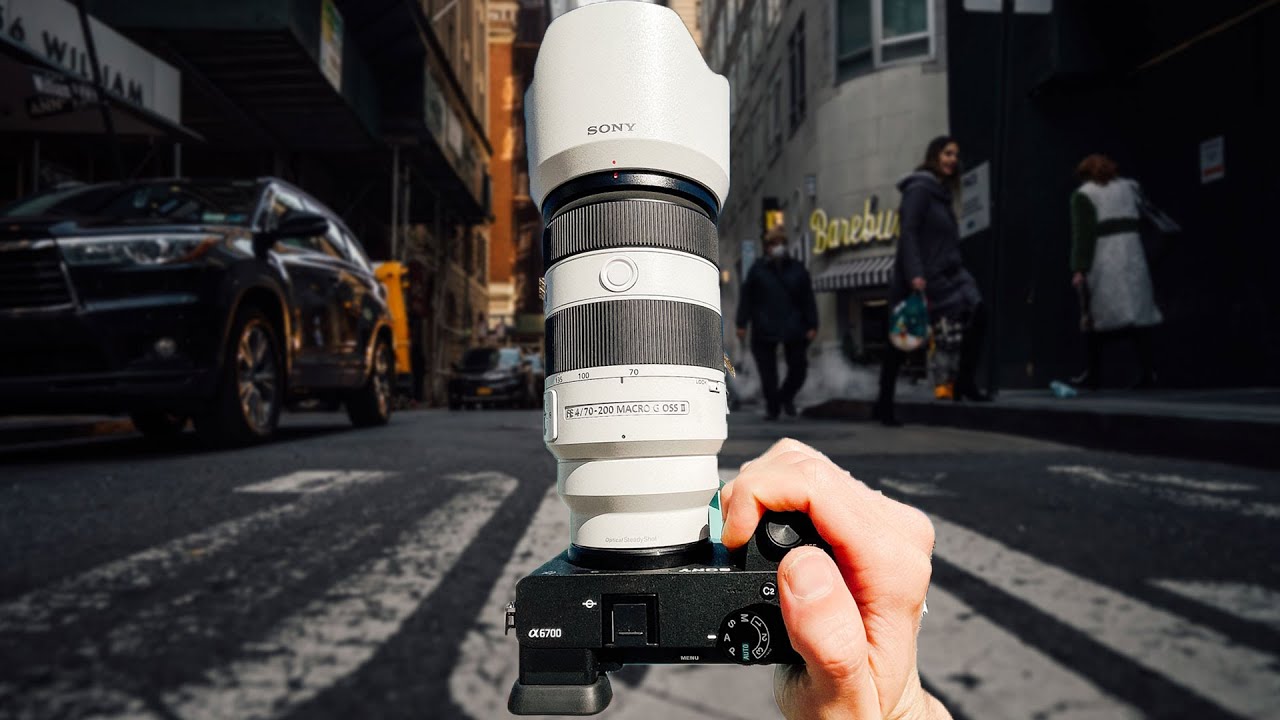
Sony's New 70-200mm f/4 Macro: The Case For Ditching the f/2.8 (And When Not To)

Sony's New 70-200mm f/4 Macro: The Case For Ditching the f/2.8 (And When Not To)

I keep a running spreadsheet of every lens I’ve tested against its price-to-performance ratio. Most of the time, the “Holy Grail” options sit at the top because of reputation, not results. The 70-200mm f/2.8 is the perfect example. It’s the lens everyone points to as the gold standard for telephoto work, and honestly, it earns that reputation. But I’ve been asking myself lately whether that reputation is making photographers overpay for capabilities they don’t actually use.
How a 100-400mm Lens Can Give You 100+ Compositions From a Single Hillside

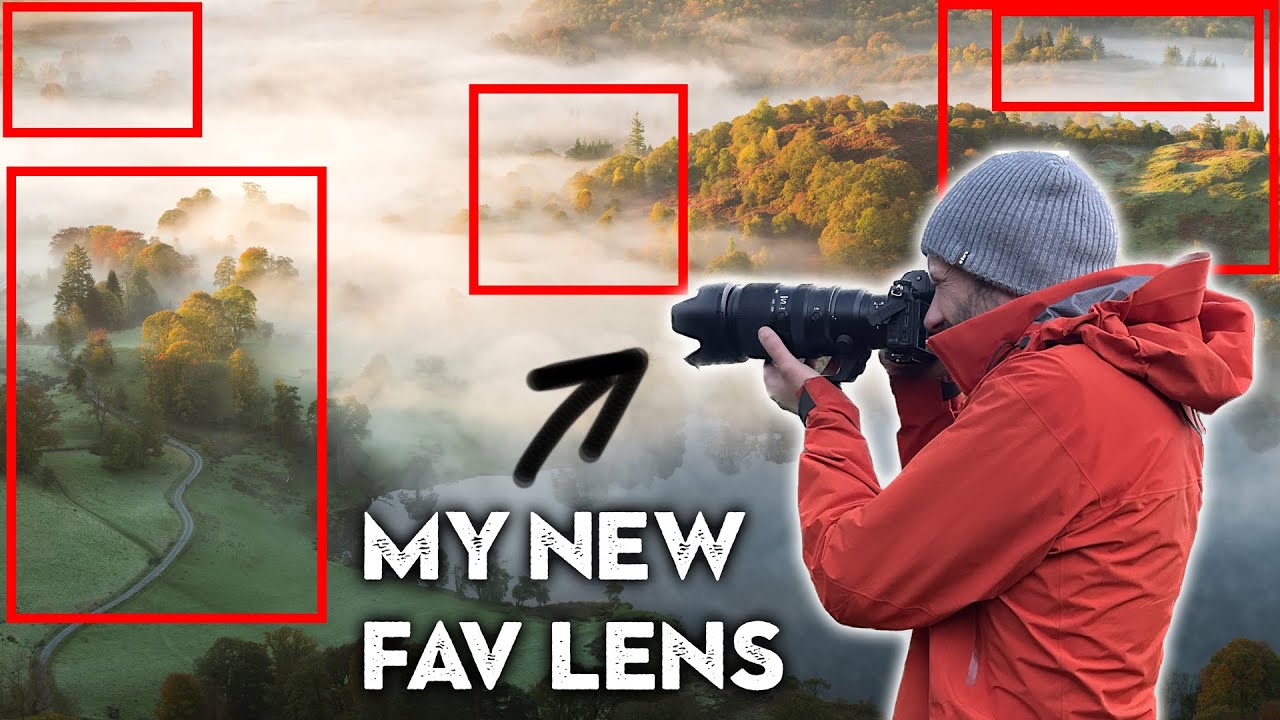
How a 100-400mm Lens Can Give You 100+ Compositions From a Single Hillside

There’s a specific kind of frustration I used to feel constantly: I’d hike to a viewpoint, shoot the obvious wide-angle scene in about twenty minutes, and then just… stand there. Waiting. Watching other photographers keep shooting while I mentally checked out. The problem wasn’t the location. It was that I was treating every scene like it only had one composition in it, the big sweeping one you see on the postcard.

How a Pro Landscape Photographer Plans, Packs, and Shoots a Sunset Session (And What Budget Shooters Can Steal From It)

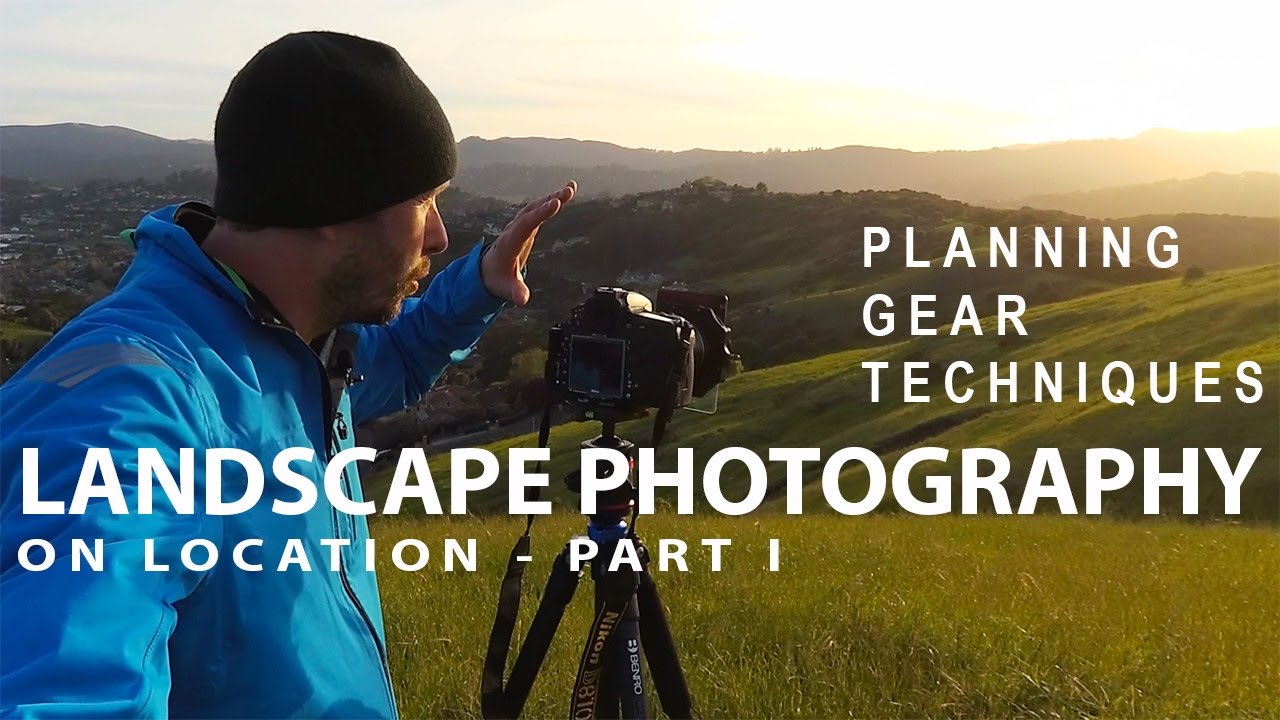
How a Pro Landscape Photographer Plans, Packs, and Shoots a Sunset Session (And What Budget Shooters Can Steal From It)

There’s a specific kind of frustration that comes from showing up to a location unprepared. Wrong light, no idea where the sun is going to land, lens choice that doesn’t match the scene. I’ve been there more times than I want to admit, mostly in my early days when I was more excited about getting outside than actually thinking through the shoot. It cost me keepers. Probably a lot of them.

Fuji's 50mm f/1.0, Nikon's 50mm f/1.2, and Why the Spec Sheet Doesn't Tell the Whole Story

Fuji's 50mm f/1.0, Nikon's 50mm f/1.2, and Why the Spec Sheet Doesn't Tell the Whole Story

I spend a lot of time watching people get excited about specs they don’t fully understand. That’s not a knock — I’ve done it too. I once nearly bought a lens because it had a lower f-number than my current one, without stopping to think about the crop factor math that would make them functionally identical. So when Tony and Chelsea Northrup dropped a breakdown of the incoming Fujifilm 50mm f/1.

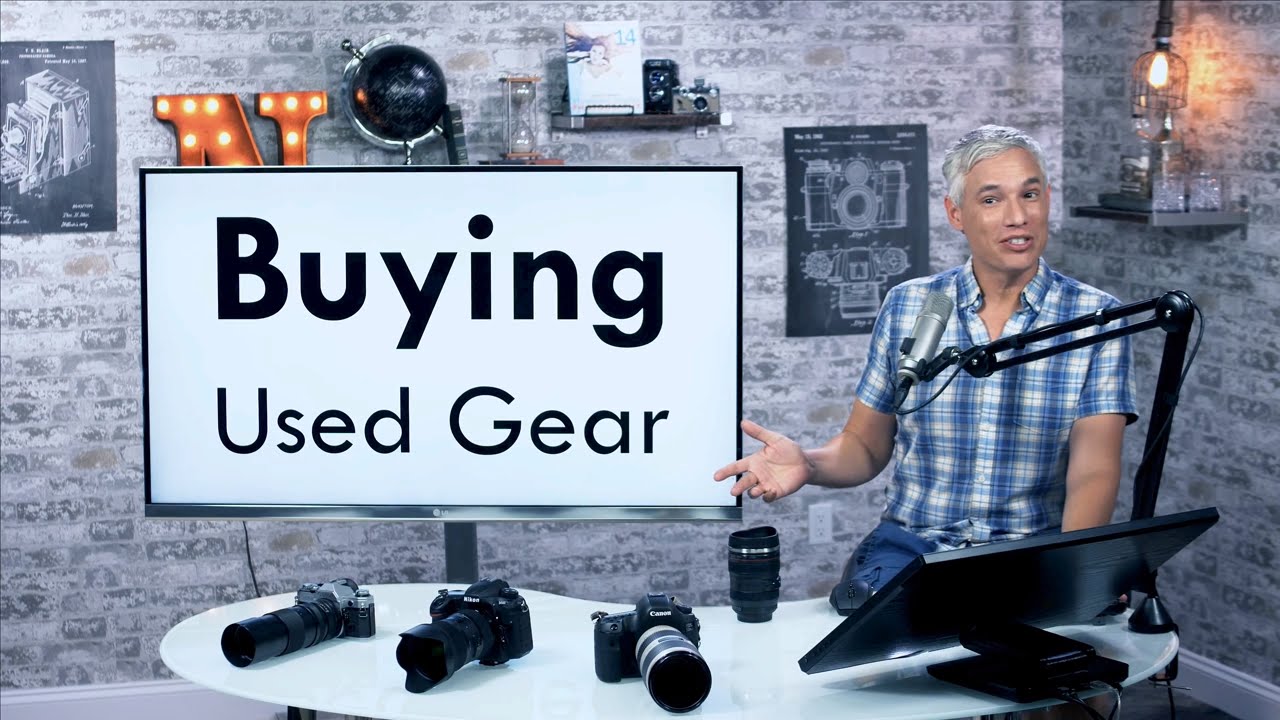
The Real Math Behind Buying Used Camera Gear (And When to Skip It)

The Real Math Behind Buying Used Camera Gear (And When to Skip It)

I’ve been buying used camera gear since I scraped together enough cash for my first serious kit, and I’ll be honest: I’ve made every mistake in the book. Bought a lens with a fungus ring I missed in the listing photos. Overpaid on eBay because I didn’t know how to read auction timing. Passed on a deal that was genuinely great because I was too nervous to pull the trigger. Most of that could have been avoided if someone had handed me a clear framework early on.

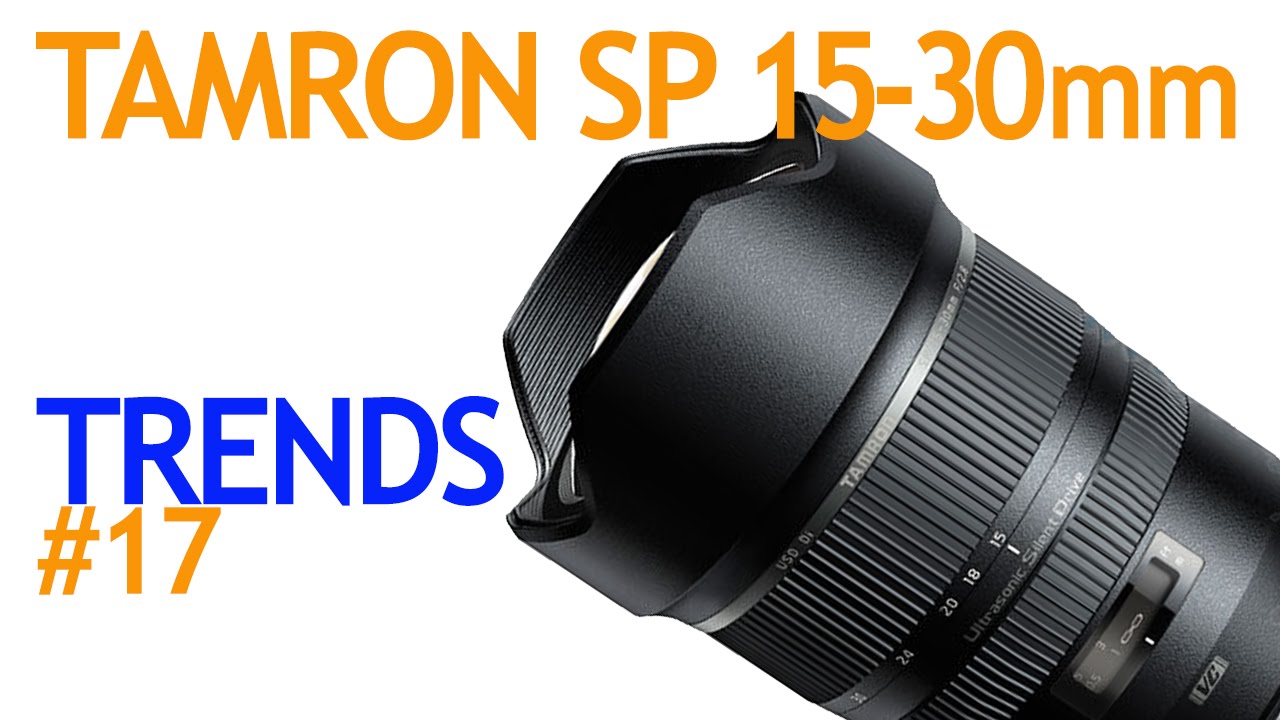
Tamron 15-30mm f/2.8 Breakdown: What Actually Makes This Ultra-Wide Worth Talking About

Tamron 15-30mm f/2.8 Breakdown: What Actually Makes This Ultra-Wide Worth Talking About

I’ll be honest with you: ultra-wide lenses are one of those categories where I’ve watched a lot of people spend a lot of money chasing something they didn’t fully understand before buying. The 15-30mm focal range sounds exciting until you’re standing inside a room trying to fill the frame with anything interesting, realizing that shooting ultra-wide is a skill set, not just a setting. When Tamron dropped their 15-30mm f/2.8 SP, the photography world paid attention, and I wanted to dig into what actually makes this lens different from the pile of wide primes and cheaper zoom alternatives sitting on my comparison spreadsheet.

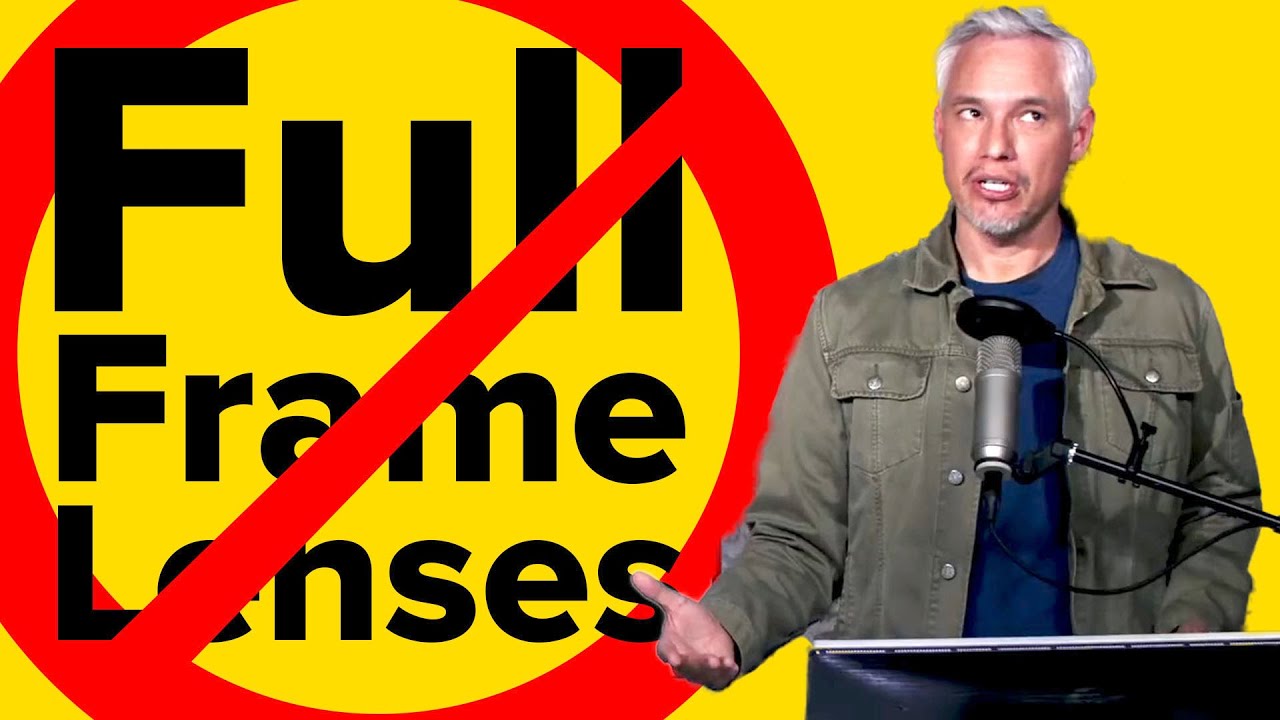
Full-Frame Lenses on Your Crop Sensor Camera: Why You're Probably Wasting Money

Full-Frame Lenses on Your Crop Sensor Camera: Why You're Probably Wasting Money

I run a spreadsheet. A real one, with 40-plus lenses sorted by sharpness, price, and sensor compatibility. And the column I’ve had to add more corrections to than any other is the “works on crop body” column, because the answer is almost never a clean yes or no. It’s more like “technically, but…” which is exactly the kind of answer that costs photographers money. In this Tony & Chelsea Northrup tutorial, Watch the full tutorial on YouTube, Tony revisits a question he first tackled back in 2014 and backs it up this time with side-by-side image comparisons that make the argument impossible to dismiss.

Why I Was Wrong About Prime Lenses (And What Three Zoom Lenses Actually Cover for Landscape Work)

Why I Was Wrong About Prime Lenses (And What Three Zoom Lenses Actually Cover for Landscape Work)

There’s a version of me from a few years back who would have nodded along confidently while someone explained why prime lenses are the “serious” choice for landscape photography. Fixed focal lengths, sharper glass, lighter pack. It all sounds logical until you’re standing at the edge of a canyon with nowhere to move and a composition that’s almost right but not quite. That gap between almost and actually is where gear decisions either pay off or bite you.

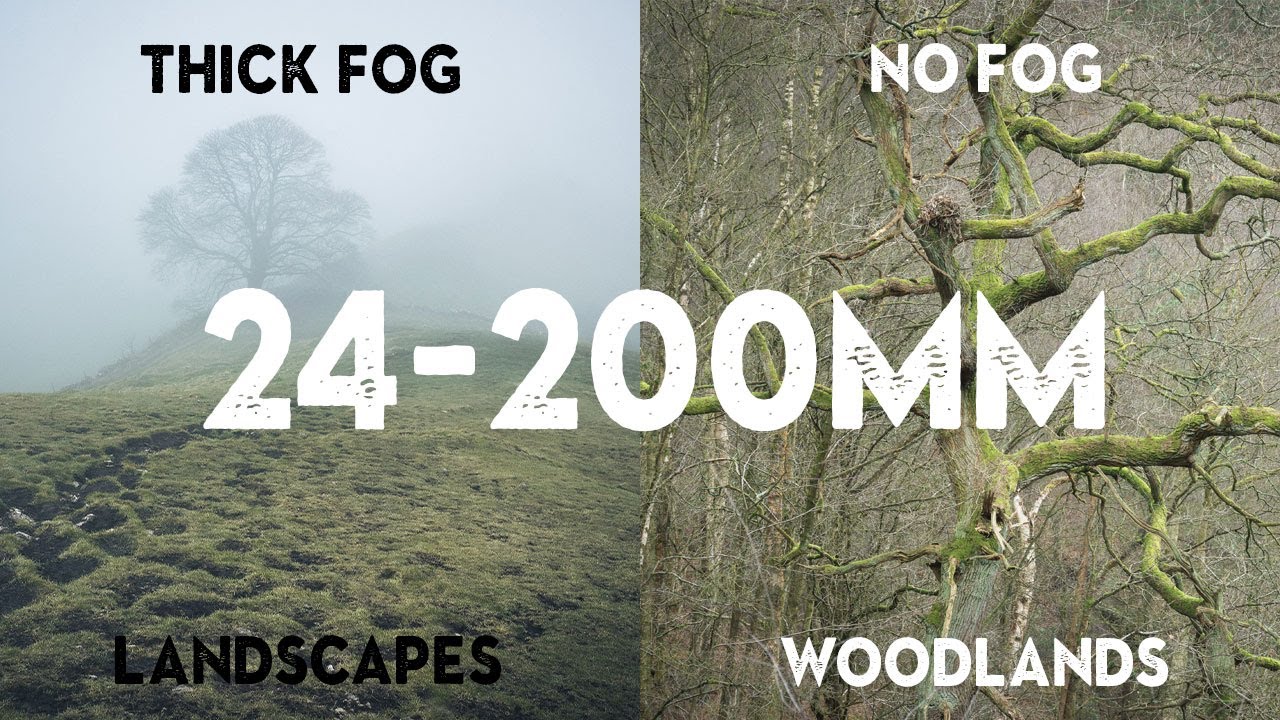
What a 24-200mm Lens in Heavy Fog Taught Me About Shooting With Less

What a 24-200mm Lens in Heavy Fog Taught Me About Shooting With Less

There’s a version of me from two years ago who would have hauled a full backpack up a hill at dawn. Wide prime, mid-range zoom, telephoto, backup body, filters for every occasion. By the time I got to the location I was so tired and over-geared that I spent more time swapping glass than actually looking at the scene in front of me. Sound familiar? That’s the trap most of us fall into, and it’s the exact problem that Watch the full tutorial on YouTube this Nigel Danson tutorial addresses head-on.

This Week in Gear: New Olympus Cameras, Sony's Mystery Telephotos, and Leica Bargains

This Week in Gear: New Olympus Cameras, Sony's Mystery Telephotos, and Leica Bargains

This Week in Gear: New Olympus Cameras, Sony’s Mystery Telephotos, and Leica Bargains There’s something I’ve been thinking about a lot lately, and it hit me while scrolling through this week’s gear announcements: we’ve become obsessed with the next shiny thing while ignoring what we already own. Olympus Reminds Us Why Compact Systems Matter Olympus just dropped a new PEN camera, and honestly, it’s worth paying attention to—not because it’s revolutionary, but because the company keeps pushing a philosophy I actually respect.

Adapting Lenses to Any Camera Body: What Actually Works (And What Doesn't)

Adapting Lenses to Any Camera Body: What Actually Works (And What Doesn't)

I’ve been chasing the budget angle on photography gear long enough to know that one of the fastest ways to stretch your kit is adapting lenses you already own to a new body. When I made the jump from a crop-sensor DSLR to a mirrorless system a couple of years back, I had a small collection of glass I wasn’t willing to sell at a loss. The question was whether I could actually use it or whether I’d just be buying a pile of junk adapters that turned sharp primes into manual-focus paperweights.

Camera Gear I Stopped Defending: Lessons From Pierre T. Lambert's Regret List

Camera Gear I Stopped Defending: Lessons From Pierre T. Lambert's Regret List

There’s a specific kind of photographer pain that doesn’t get talked about enough: the gear that sits in a drawer, fully paid for, fully charged, and completely ignored. Not broken. Not lost. Just quietly judged every time you open that drawer and close it again. I’ve been there more times than I want to count, and honestly, some of my worst purchases came after watching a genuinely great creator get excited about something new.

Never Miss a Tutorial

Join our newsletter and get weekly tips, tutorials, and exclusive content.

Subscribe Now