
I spend a embarrassing amount of time every morning scanning deal sites and rumor feeds before I’ve even made coffee. Most days it’s noise. But every once in a while, a cluster of news drops that actually changes how I think about recommending gear to people. That’s exactly what happened when I watched this recent Tony & Chelsea Northrup video covering everything from Canon’s possible third-party lens policy shift to Sony camera leaks to a meaty Nikon Z9 firmware drop. Watch the full tutorial on YouTube
What grabbed me wasn’t any single piece of news. It was the pattern. Canon, Sony, and Nikon are all moving in ways that directly affect what lenses and bodies I can honestly recommend to readers who are trying to stretch a dollar. If Canon really does open the RF mount to third-party glass, the value calculus for mirrorless shooters changes overnight. That’s the kind of thing I need to understand before I update my budget lens guides, and this video laid out the situation clearly enough that I want to walk through it piece by piece.
Step 1: Understand Why Canon Opening RF to Third Parties Is a Big Deal
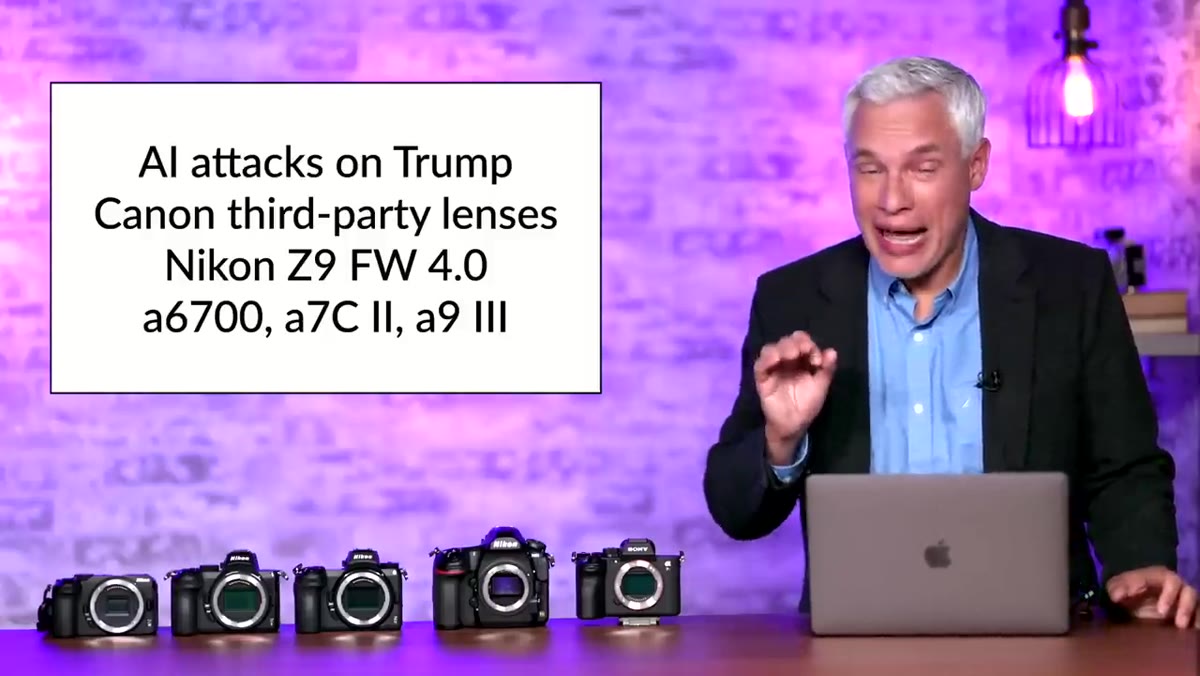 Northrup explaining Canon RF mount third-party lens rumor
Canon built the RF mount with tight proprietary control. The strategy was straightforward: lock the mount, sell the lenses, capture the margin. Third-party manufacturers like Sigma and Tamron, which have made budget-friendly options for Sony E-mount shooters for years, were effectively locked out. That meant anyone buying into Canon RF was paying Canon prices, full stop.
Northrup explaining Canon RF mount third-party lens rumor
Canon built the RF mount with tight proprietary control. The strategy was straightforward: lock the mount, sell the lenses, capture the margin. Third-party manufacturers like Sigma and Tamron, which have made budget-friendly options for Sony E-mount shooters for years, were effectively locked out. That meant anyone buying into Canon RF was paying Canon prices, full stop.
The rumor Tony covers is that Canon may be reversing course and allowing third-party lens makers into the RF ecosystem. If this holds up, it’s not just good news for Canon shooters. It resets the entire value comparison between Canon RF and Sony FE for anyone shopping mirrorless right now. The competitive pressure from Sony’s open ecosystem almost certainly pushed Canon here, and that’s a win for consumers regardless of which brand you’re loyal to.
Step 2: Recognize the Consumer Pressure That Actually Drove This
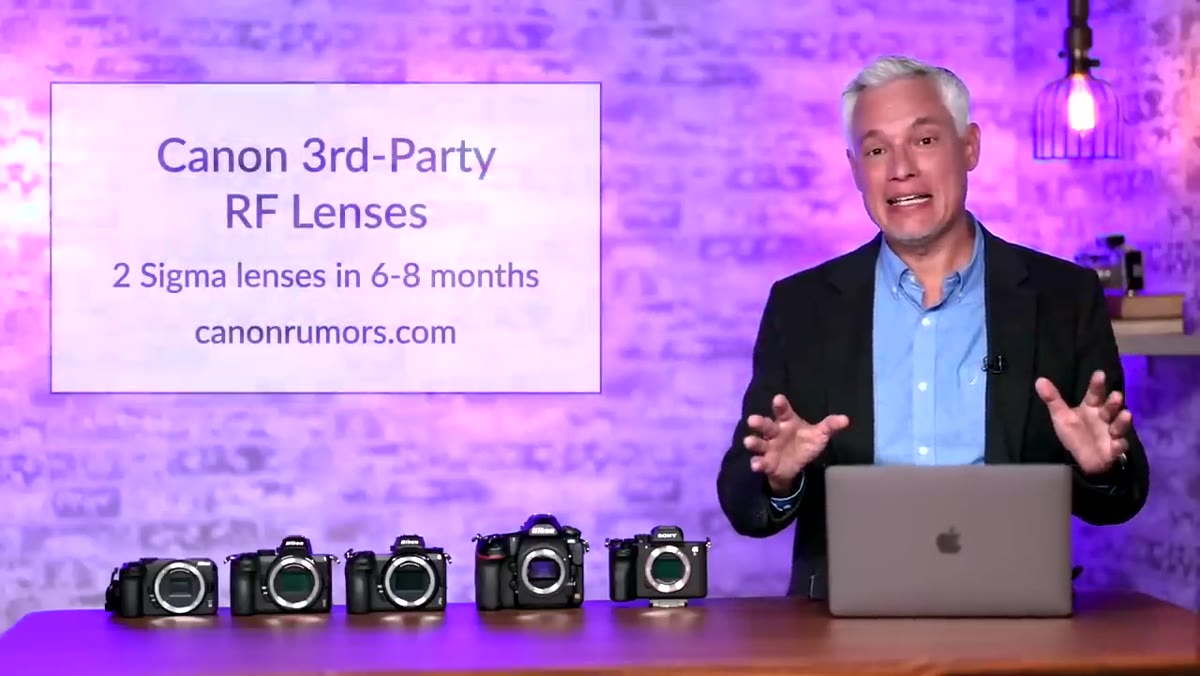 Discussion of corporate spreadsheet decisions and market pressure
Tony makes a point worth sitting with: Canon didn’t plan this. Their original roadmap almost certainly assumed they could hold the line on third-party exclusion and profit from it. What changed is that the market pushed back, both through lost sales to Sony and through sustained community criticism.
Discussion of corporate spreadsheet decisions and market pressure
Tony makes a point worth sitting with: Canon didn’t plan this. Their original roadmap almost certainly assumed they could hold the line on third-party exclusion and profit from it. What changed is that the market pushed back, both through lost sales to Sony and through sustained community criticism.
This matters practically because it tells you something about how to shop. Corporate lens pricing isn’t fixed by what lenses cost to make. It’s fixed by what alternatives exist. When Sigma entered the Sony E-mount space, Sony’s own lens prices faced pressure. The same dynamic is now coming to RF, and that means waiting a little longer before committing to expensive Canon glass might actually pay off if third-party options arrive at half the price.
Step 3: Parse the Sony Leak Information on the a6700, a7C II, and a9 III
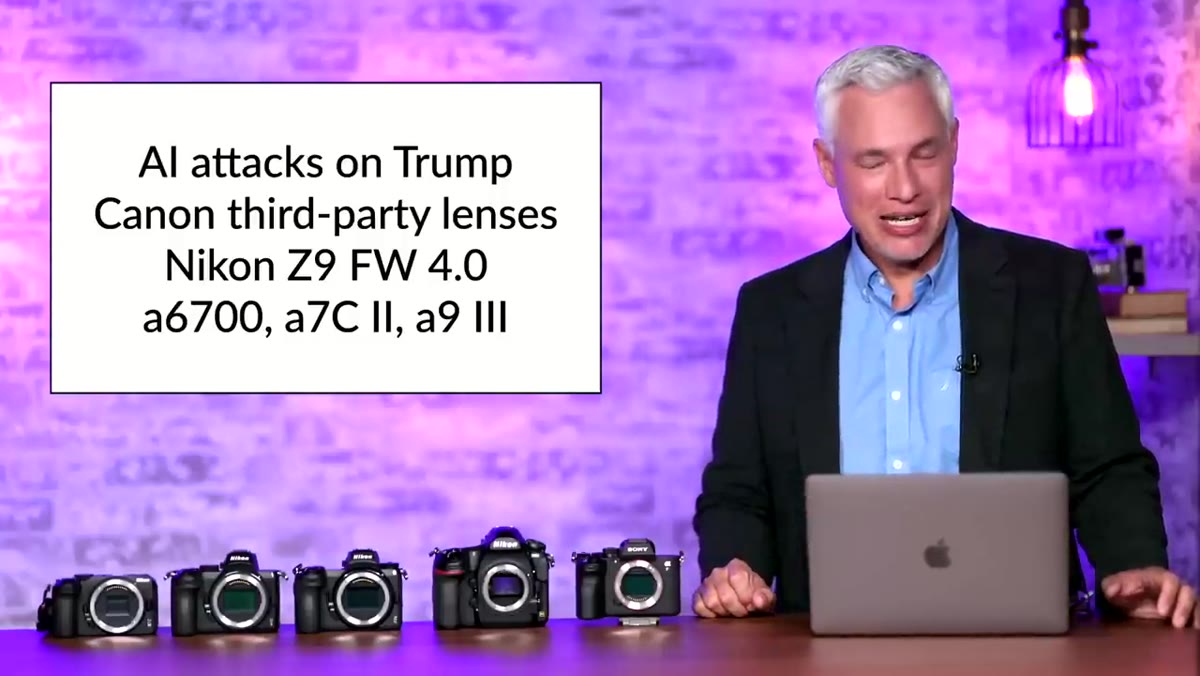 Northrup listing leaked Sony camera models on screen
Tony runs through leaked details on three upcoming Sony bodies: the a6700, the a7C II, and the a9 Mark III. The a6700 is the one I’m watching most closely for readers who want an APS-C option that pairs well with the budget lenses I cover. Leaked specs suggest meaningful autofocus improvements and video upgrades over the a6600, which has felt stale for a while.
Northrup listing leaked Sony camera models on screen
Tony runs through leaked details on three upcoming Sony bodies: the a6700, the a7C II, and the a9 Mark III. The a6700 is the one I’m watching most closely for readers who want an APS-C option that pairs well with the budget lenses I cover. Leaked specs suggest meaningful autofocus improvements and video upgrades over the a6600, which has felt stale for a while.
The a7C II is interesting for travel and hybrid shooters. If Sony keeps the compact form factor and bumps the sensor, it becomes a legitimate recommendation for someone who wants full-frame without carrying a brick. The a9 III is a flagship speed machine and outside the budget territory I usually cover, but the trickle-down effect on used a9 II pricing is something to watch over the next few months.
Step 4: Look at What Nikon Z9 Firmware 4.0 Actually Changes
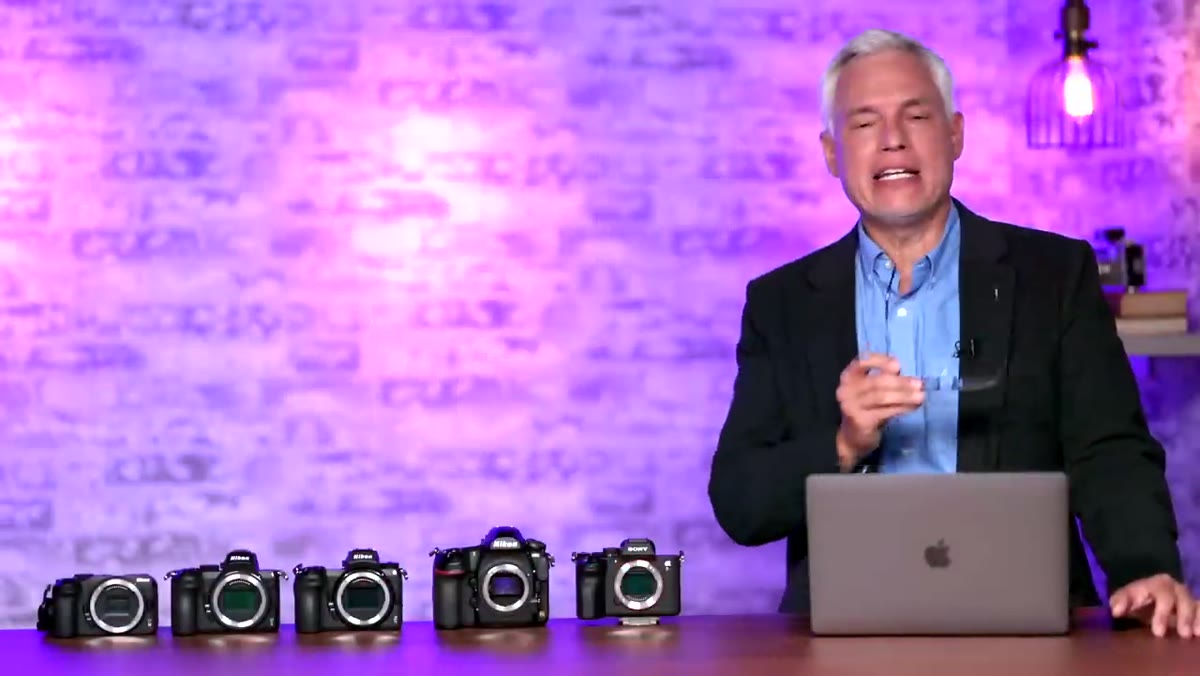
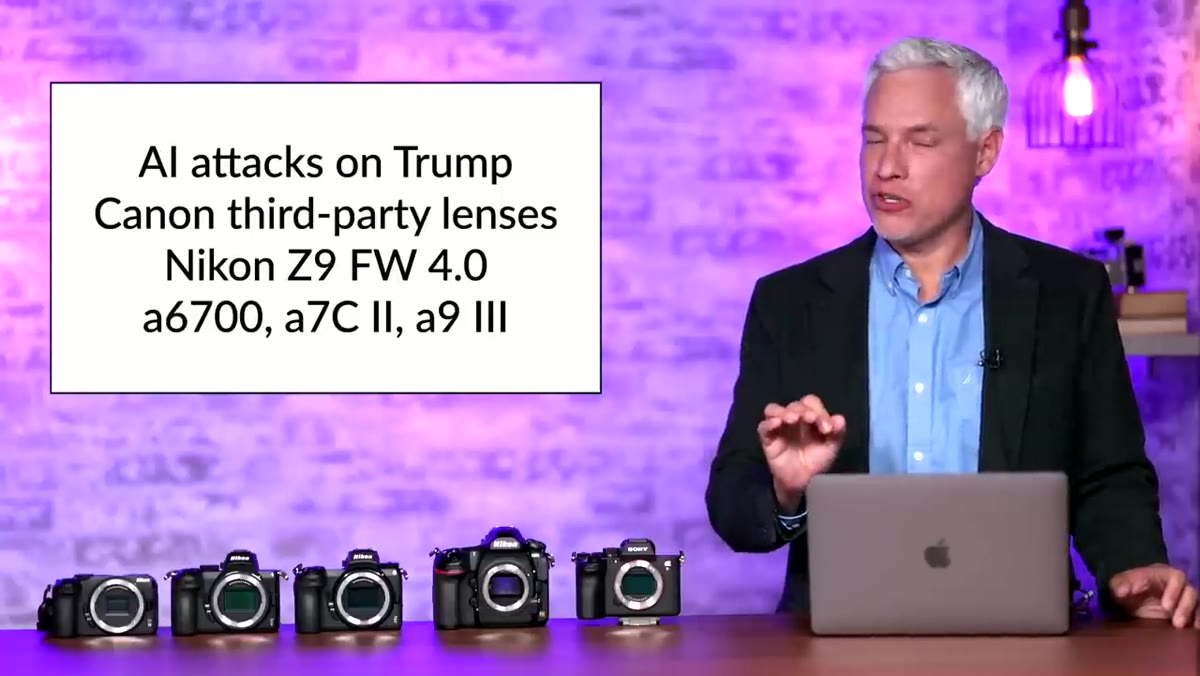 Northrup announcing Nikon Z9 firmware version 4.0
Nikon shipped firmware 4.0 for the Z9, and the scale of the update is worth understanding even if you don’t own one. Nikon has been using firmware to turn the Z9 into a different camera than what shipped, adding subject recognition, improving autofocus tracking, and expanding video capabilities in ways that used to require buying a new body.
Northrup announcing Nikon Z9 firmware version 4.0
Nikon shipped firmware 4.0 for the Z9, and the scale of the update is worth understanding even if you don’t own one. Nikon has been using firmware to turn the Z9 into a different camera than what shipped, adding subject recognition, improving autofocus tracking, and expanding video capabilities in ways that used to require buying a new body.
The practical takeaway here is about how I evaluate cameras going forward. A body’s value at purchase is not the ceiling of its value over time. Nikon is proving that buying into a system means buying into ongoing development. When I compare a body’s price against competitors, I now factor in the track record of firmware support. Canon and Sony have been inconsistent on this. Nikon, with the Z9, has set a new standard.
Step 5: Understand the AI Imagery Context and Its Impact on Photography Work
 Opening segment discussing AI-generated images in political media
Tony opens with a discussion of AI-generated images being used in political advertising without disclosure, and while it reads as a current events segment, there’s a direct professional implication buried in it. He notes that AI stock images are now outselling real photography on major platforms, and that an entire career category, studio stock photography, has effectively collapsed in a short time.
Opening segment discussing AI-generated images in political media
Tony opens with a discussion of AI-generated images being used in political advertising without disclosure, and while it reads as a current events segment, there’s a direct professional implication buried in it. He notes that AI stock images are now outselling real photography on major platforms, and that an entire career category, studio stock photography, has effectively collapsed in a short time.
I want to be straightforward about this because I think some photographers are still treating it as a distant threat. If you’re shooting any category where the deliverable is a generically usable image rather than a specific real moment, you’re competing with tools that produce acceptable results for almost nothing. The cameras and lenses I review still matter enormously for documentary work, events, portraits with real people, and anything requiring authentic capture. But the market for generic commercial imagery has already shifted, and understanding that helps you aim your gear investments at work that AI can’t replicate.
My Take: The RF Mount News Reshapes My Budget Recommendations
I keep a spreadsheet, yes an actual spreadsheet, of every budget lens I’ve tested across mount systems. For the past two years, Sony E-mount has dominated the third and fourth columns of that sheet because of Sigma and Tamron options that deliver 80 to 90 percent of the optical performance at 40 percent of the price. Canon RF has had almost nothing in that price range worth recommending.
If Sigma gets RF access, my first call is to retest the Sigma 18-50mm f/2.8 and the 56mm f/1.4 equivalents on an RF APS-C body. Those lenses on Sony have been my top recommendation for crop-sensor shooters for over a year. The same optical formula on RF could flip my guidance for a meaningful chunk of readers who are already in the Canon ecosystem and feel stuck paying full Canon prices. I’m not updating my guides until the third-party access is confirmed, but I’ve already got a draft ready to go the moment Sigma announces RF compatibility.
The single most important thing to take from all of this is that camera system value is not static. Canon’s potential policy change, Nikon’s firmware updates, and Sony’s competitive pressure are all proof that the landscape shifts, and the gear decisions that made sense 18 months ago may not make sense today. Stay close to the news, and don’t over-invest in a system before you know where the third-party lens support is headed.
Watch the full tutorial on YouTube to hear Tony and Chelsea walk through each of these stories with their full context and commentary.
Comments
Leave a Comment