The One-Knob Trick That Makes Camera Mounting Actually Fast (Magic Arm Breakdown)

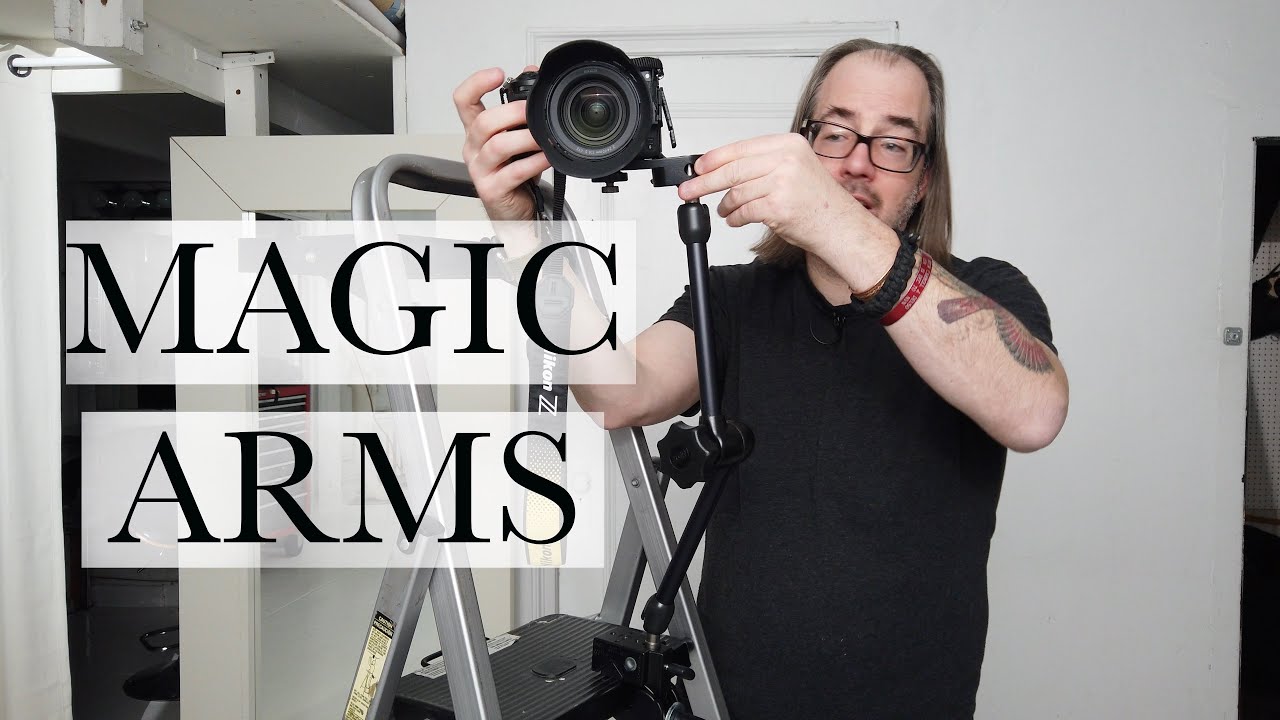
The One-Knob Trick That Makes Camera Mounting Actually Fast (Magic Arm Breakdown)

I’ve wasted more minutes than I want to admit fussing with articulating arms that have a separate knob at every joint. You loosen one, adjust, tighten, realize the angle is still wrong, loosen the next one, repeat. By the time the camera is where you want it, the light has changed or your subject has moved on. It’s one of those friction points in a shoot that feels small until it costs you a shot.
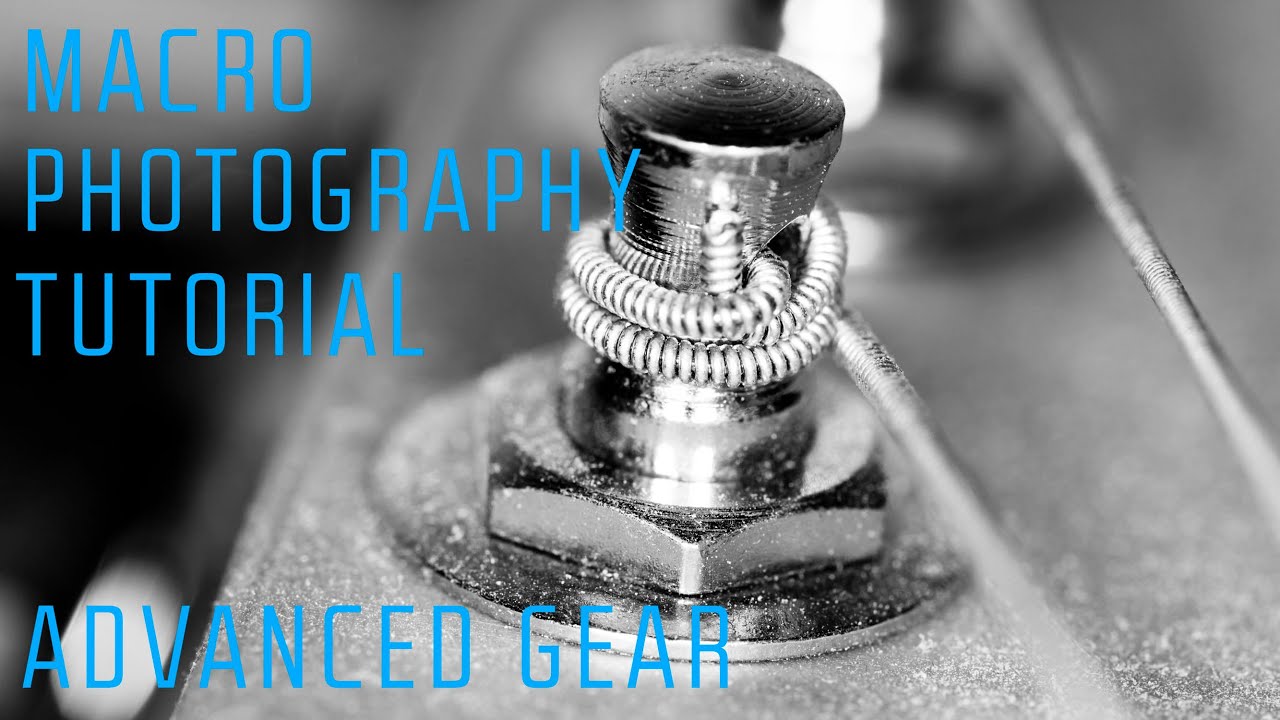
Macro Photography With Dedicated Gear: What Actually Changes When You Level Up

Macro Photography With Dedicated Gear: What Actually Changes When You Level Up

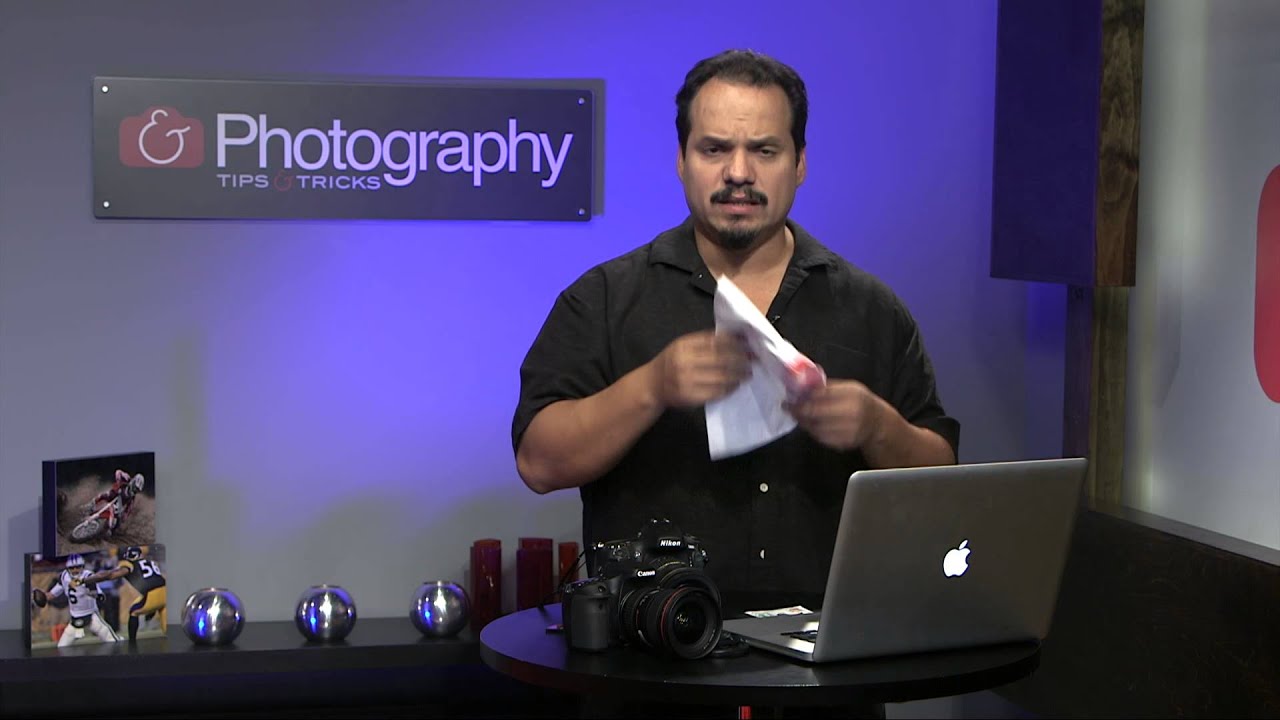
Macro photography has a reputation for being fussy, and honestly, it earns that reputation. Getting sharp, well-lit images of tiny subjects is genuinely hard, and most beginner tutorials gloss over the part where everything falls apart in practice: the depth of field becomes razor thin, your on-camera flash is physically blocked by your own lens, and your autofocus just gives up entirely. I ran into every one of those walls before I started digging into tutorials that actually addressed the gear side of the problem directly.

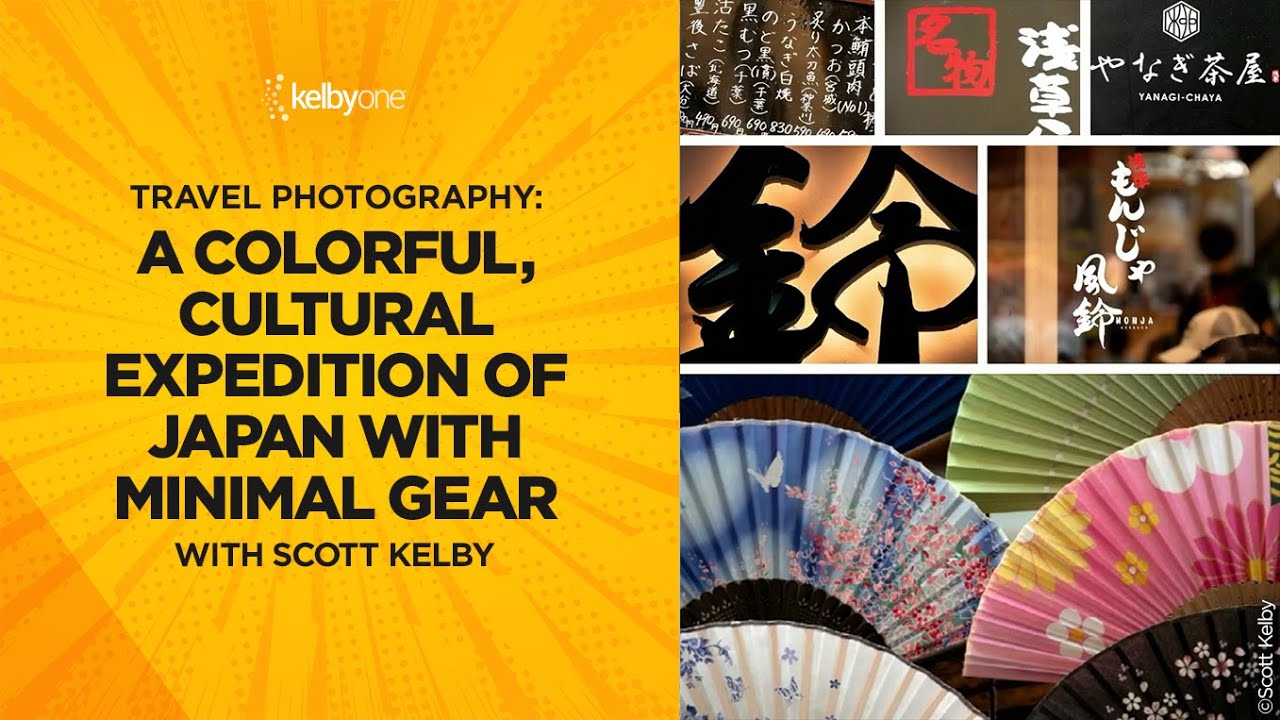
One Camera, One Lens, No Bag: Scott Kelby's Japan Strategy Proves Minimalism Wins

One Camera, One Lens, No Bag: Scott Kelby's Japan Strategy Proves Minimalism Wins

There’s a version of travel photography that requires a rolling carry-on full of bodies, lenses, filters, and backup batteries. I know that version well because I spent about two years convinced it was the only way to come home with serious images. Then I watched photographers I respected keep showing up with one small bag and leaving with better shots than mine. The math stopped adding up. In this KelbyOne tutorial, Scott Kelby walks through an entire Japan expedition and the gear list is almost offensively short: one mirrorless camera, one lens, and an iPhone.

How to Shoot Portraits of the Sea With a 100-400mm Lens (What I Learned From William Patino)

How to Shoot Portraits of the Sea With a 100-400mm Lens (What I Learned From William Patino)

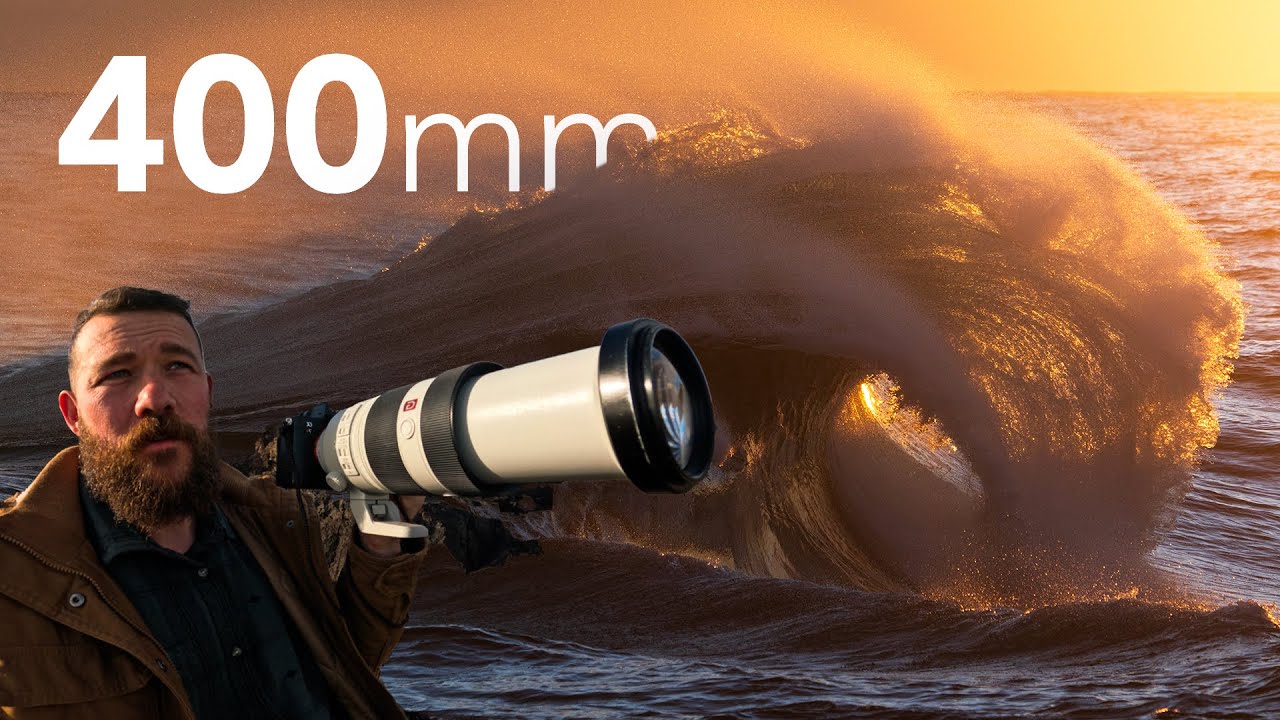
Most photographers point a wide angle at the ocean and call it a day. I get it. The drama is right there, the horizon is gorgeous, and wide lenses are forgiving. But I kept looking at my seascape shots and feeling like something was missing. They looked like postcards, not photographs. It wasn’t until I watched William Patino work a coastal break with a 100-400mm that something clicked for me. Watch the full tutorial on YouTube before or after reading this, because seeing the actual wave action he’s working with puts the technique in context.

What a Pro Photographer Actually Packs for Iceland (And What You Can Learn From His Choices)

What a Pro Photographer Actually Packs for Iceland (And What You Can Learn From His Choices)

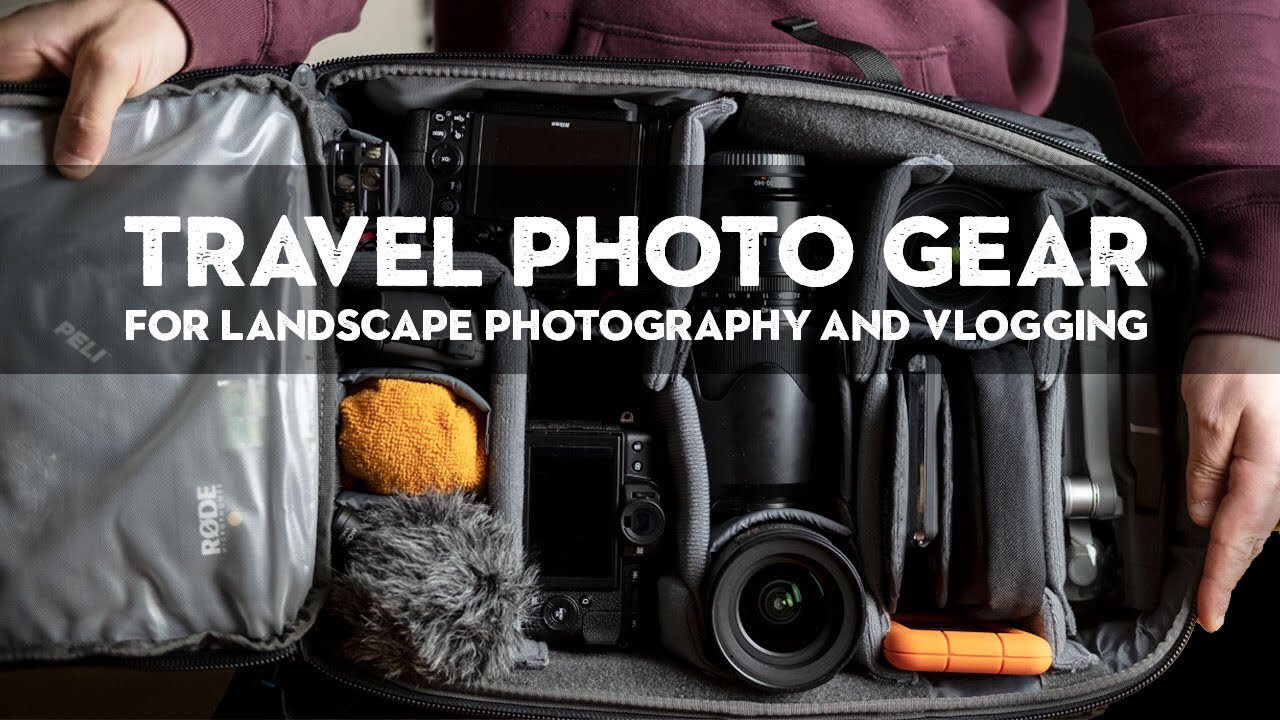
I’ve spent an embarrassing amount of time researching other photographers’ gear lists. Not because I’m chasing the same kit, but because the reasoning behind someone’s choices is often more useful than the choices themselves. When a working professional explains why they packed three lenses instead of five, or why one camera goes in the carry-on and another doesn’t, that’s real-world decision-making you can apply regardless of your budget. In this Nigel Danson tutorial, he does exactly that, walking through everything he brought to Iceland for a landscape photography workshop, including cameras, lenses, and the supporting accessories that actually made the trip work.

How to Protect Your Camera Gear in Rain, Cold, and Beach Conditions (Without Spending a Fortune)

How to Protect Your Camera Gear in Rain, Cold, and Beach Conditions (Without Spending a Fortune)

Shooting outdoors in unpredictable conditions is where a lot of photographers lose confidence fast. Not because they don’t know how to compose a shot or read light, but because they’re quietly terrified of what humidity, sand, or a sudden downpour might do to their equipment. I’ve been there. I once stood at the edge of a mountain trail in Colorado, watching storm clouds roll in, and spent more mental energy worrying about my camera than thinking about the shot in front of me.

Does Switching Your Photography Gear Actually Make You Better? Here's the Honest Answer

Does Switching Your Photography Gear Actually Make You Better? Here's the Honest Answer

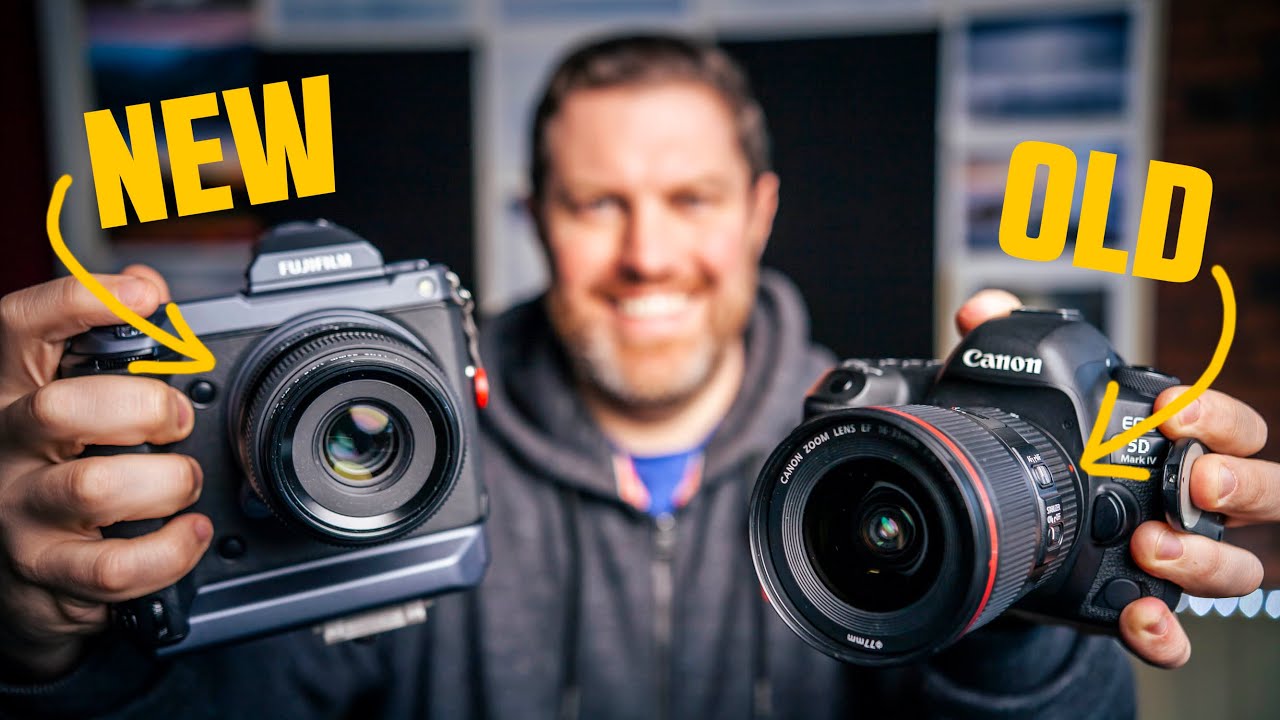
I spent more time last year researching gear prices than I did actually shooting. I have a spreadsheet with 47 budget lenses ranked by sharpness-per-dollar, and I check deal aggregators before I’ve had coffee. So when I came across a First Man Photography tutorial asking whether switching your gear makes you a better photographer, I figured I either had a lot to learn or a lot to argue with. Turns out it was both.

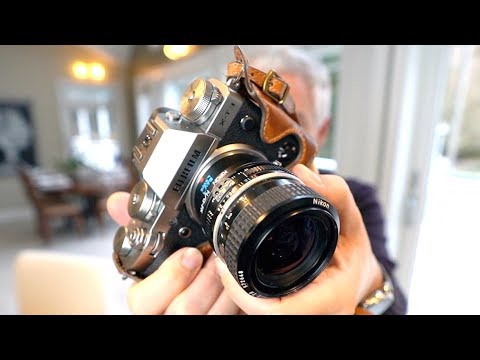
Vintage Nikon Glass on a Fuji X-T3: How a Speed Booster Changes the Math on Legacy Lenses

Vintage Nikon Glass on a Fuji X-T3: How a Speed Booster Changes the Math on Legacy Lenses

I spend a lot of time chasing the best gear-to-dollar ratio, and most of that time I’m looking at new releases. But the vintage lens market keeps pulling me back, mostly because the prices are absurd in the best possible way. A Nikon 105mm f/2.5 AI for under $100? A 50mm f/1.4 that renders like a dream? These lenses have been sitting on eBay for years while photographers chase autofocus. The problem I kept running into was the crop factor penalty on APS-C bodies.

Two Onions, One Light, and the Photography Lesson I Wish I'd Learned Before Buying Anything

Two Onions, One Light, and the Photography Lesson I Wish I'd Learned Before Buying Anything

I’ve bought a lot of gear I didn’t need. Five tripods under $50, testing each one to death. A drawer full of adapters. More filters than I’ve used in a year. And for a long time, I assumed my lighting work was mediocre because I hadn’t bought the right softbox yet. That was the wrong assumption, and it cost me more money than I’d like to admit before I figured it out.

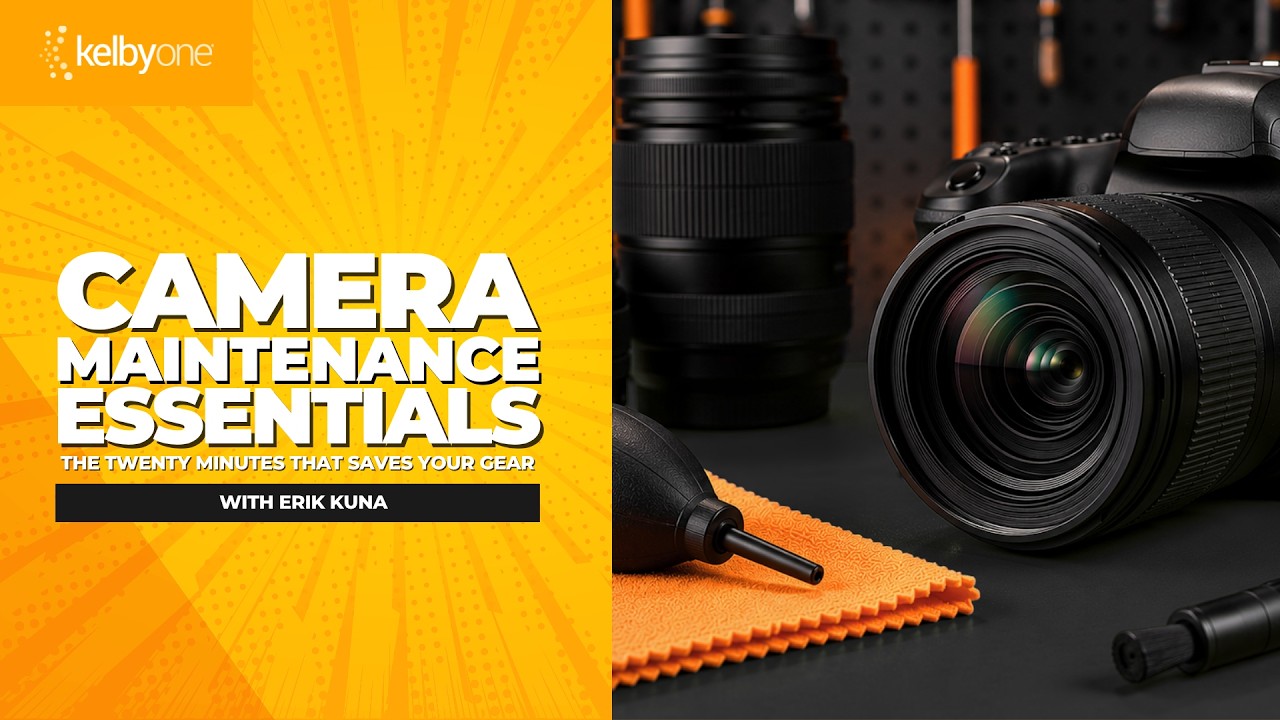
The 20-Minute Camera Cleaning Routine That Keeps Your Gear Shoot-Ready (Erik Kuna's Method)

The 20-Minute Camera Cleaning Routine That Keeps Your Gear Shoot-Ready (Erik Kuna's Method)

I used to treat camera cleaning the way most people treat car maintenance — something I’d get around to eventually, usually after something went wrong. Then I started noticing soft spots in photos that weren’t from my technique. Dust on the sensor. Haze creeping into a lens element I hadn’t touched in months. Smudges I couldn’t even see until the image was on screen at 100%. The frustrating part is that none of it had to happen.

The Camera You Don't Need Might Be the One You Should Keep

The Camera You Don't Need Might Be the One You Should Keep

I’ve built my whole corner of the internet on a simple argument: you don’t need expensive gear to make great photos. I’ve stress-tested budget lenses, ranked five sub-$50 tripods, and written a breakdown of a $12 Amazon accessory that outperformed a $200 brand-name version. Specs and price-per-performance ratios are my native language. So when I came across a video where a professional landscape photographer wrestles with whether to keep a camera he openly admits he doesn’t need, I expected to roll my eyes.

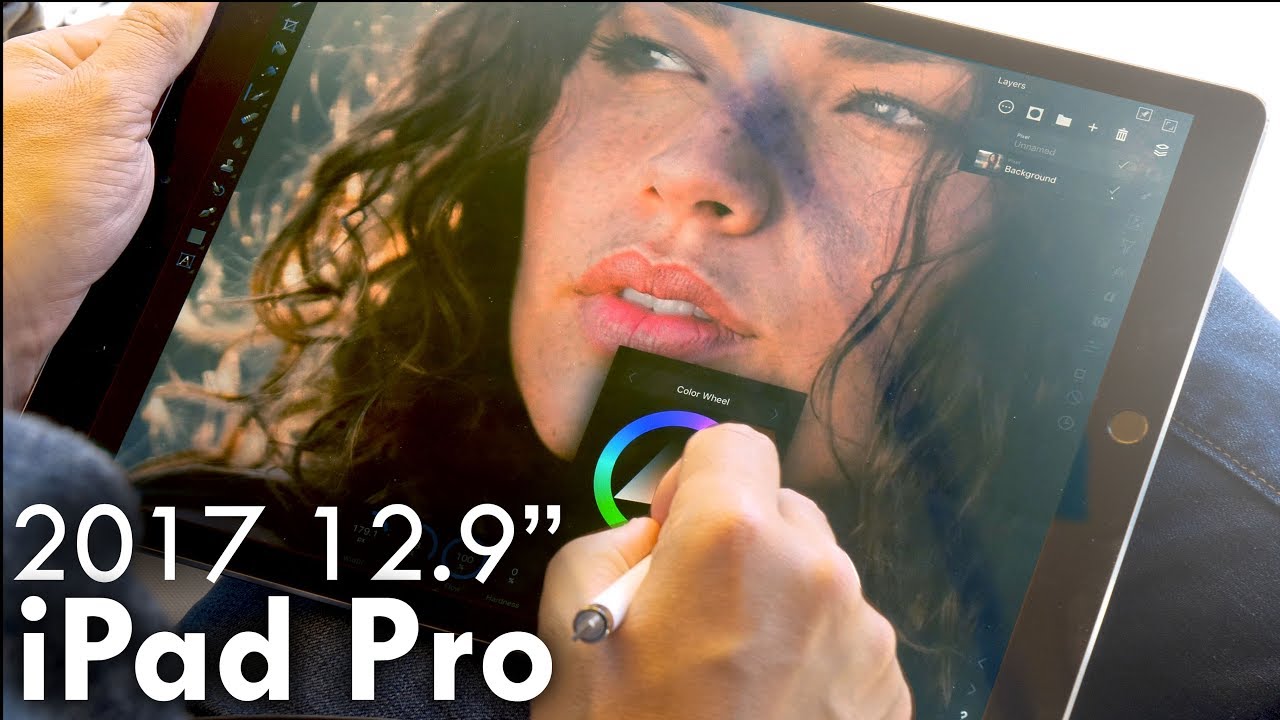
iPad Pro as a Travel Editing Powerhouse: A Practical Walkthrough with Lightroom Mobile

iPad Pro as a Travel Editing Powerhouse: A Practical Walkthrough with Lightroom Mobile

I’ll be honest: I spent years assuming the iPad was a consumption device. You watch videos on it. You scroll Instagram. You do not edit RAW files on it at a professional level. That assumption cost me a lot of unnecessary weight in my camera bag and a lot of frustrating evenings hunched over a hot laptop in hotel rooms, waiting for Lightroom to catch up with me. Then I came across a Tony & Chelsea Northrup tutorial where Tony walks through his full photo editing workflow on the 12.