Hands-On With the Nisi Jet Mag Pro: Is Magnetic the Future of Filter Systems?

Hands-On With the Nisi Jet Mag Pro: Is Magnetic the Future of Filter Systems?

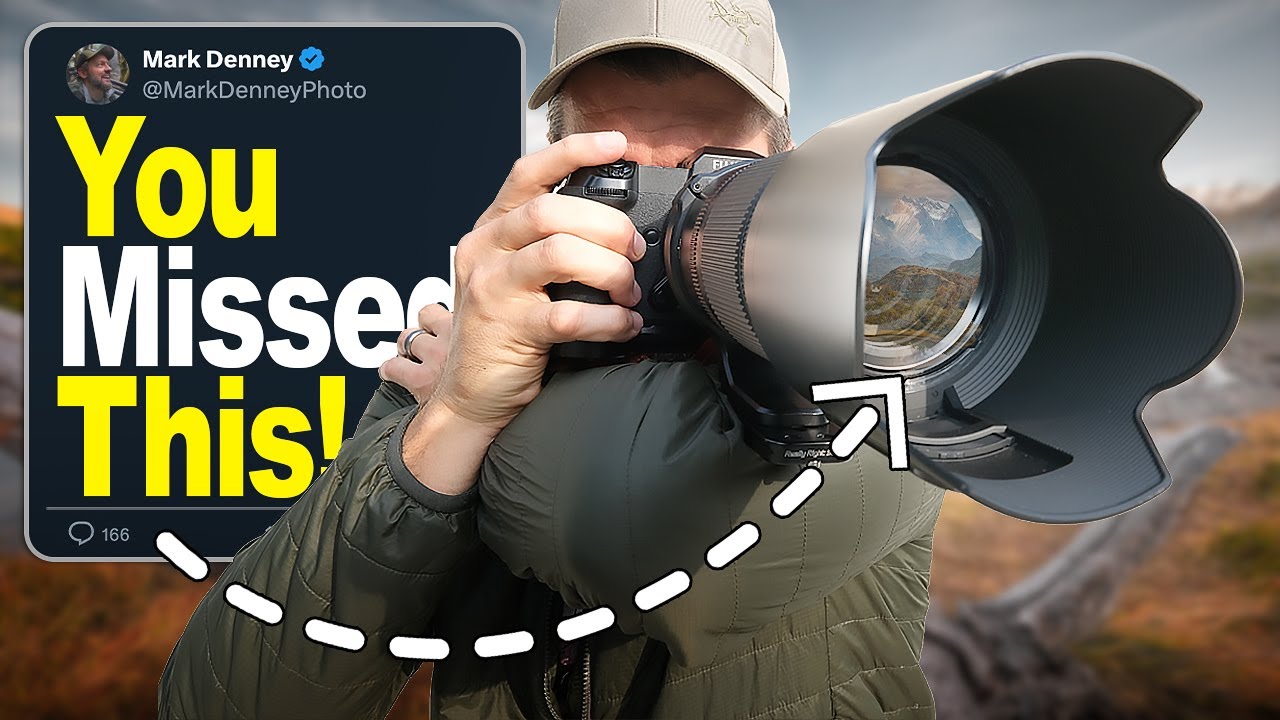
I’ve said it before and I’ll keep saying it: the filter system you’ll actually use beats the “best” filter system you leave at home. That’s not a hot take, it’s just physics. If screwing on a filter feels like a chore, it stays in the bag. So when Mark Denney dropped an unboxing of what might be the most-requested piece of gear Nisi has ever made, I paid attention. In this Mark Denney tutorial, he opens up the brand-new Nisi Jet Mag Pro magnetic filter system for the first time on camera, straight off his doorstep after returning from an editing retreat in Sedona.
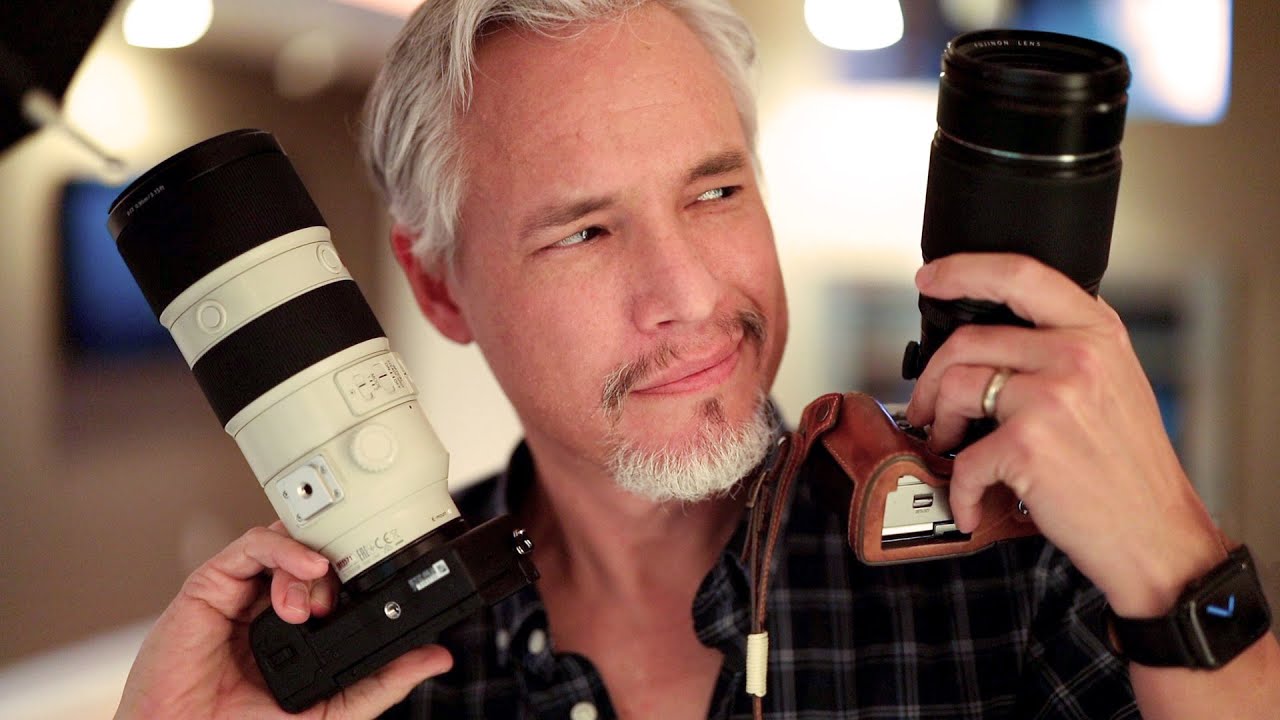
Sony vs. Fuji APS-C Lenses: Which System Actually Delivers Sharper Images?

Sony vs. Fuji APS-C Lenses: Which System Actually Delivers Sharper Images?

Most camera debates stop at the body. People obsess over sensor specs, button layouts, and which brand has the better JPEG rendering, but they never stop to ask: what does the glass actually do to your image? I’ve been down that rabbit hole more times than I can count, and it’s the lens lineup that usually makes or breaks a system decision for me. When I’m helping someone pick their first mirrorless kit, the body is almost secondary to whether that ecosystem can deliver sharp, usable images across a range of focal lengths without demanding a second mortgage.

How to Actually Use a Wide Angle Lens for Landscapes (Not Just Zoom Out and Hope)

How to Actually Use a Wide Angle Lens for Landscapes (Not Just Zoom Out and Hope)

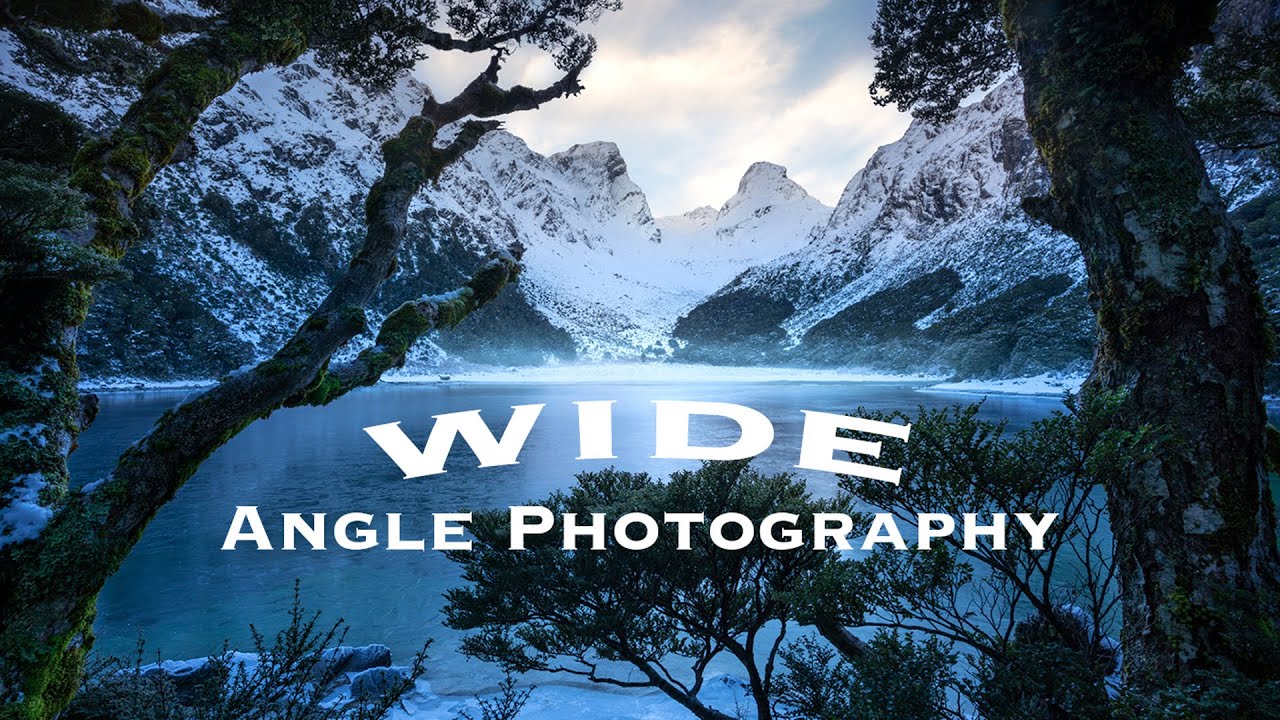
Most of my landscape shots from my first year looked like postcards someone else already made. Nice light, decent subject, totally flat. I kept blaming my gear, which is ironic given what I do for a living. The real problem was simpler: I was using a wide angle lens like a telephoto, just pointing it at the main subject from standing height and calling it done. In this William Patino tutorial on wide angle lenses for landscape photography, he lays out the core habits that actually separate effective wide angle work from lazy snapping.

How to Shoot Outdoor Portraits with a 24-70mm Lens (What Jessica Kobeissi's Detroit Shoot Actually Teaches You)

How to Shoot Outdoor Portraits with a 24-70mm Lens (What Jessica Kobeissi's Detroit Shoot Actually Teaches You)

The 24-70mm is the lens I get asked about more than any other. People want to know if it’s worth the price jump over a nifty fifty or a kit zoom, and honestly, the specs alone won’t answer that. What answers it is watching someone actually use one under real conditions, making real decisions, dealing with harsh midday sun and chaotic urban environments. That’s exactly what hooked me on this Jessica Kobeissi tutorial, where she takes a 24-70mm out into the streets of Detroit for a full outdoor model shoot.

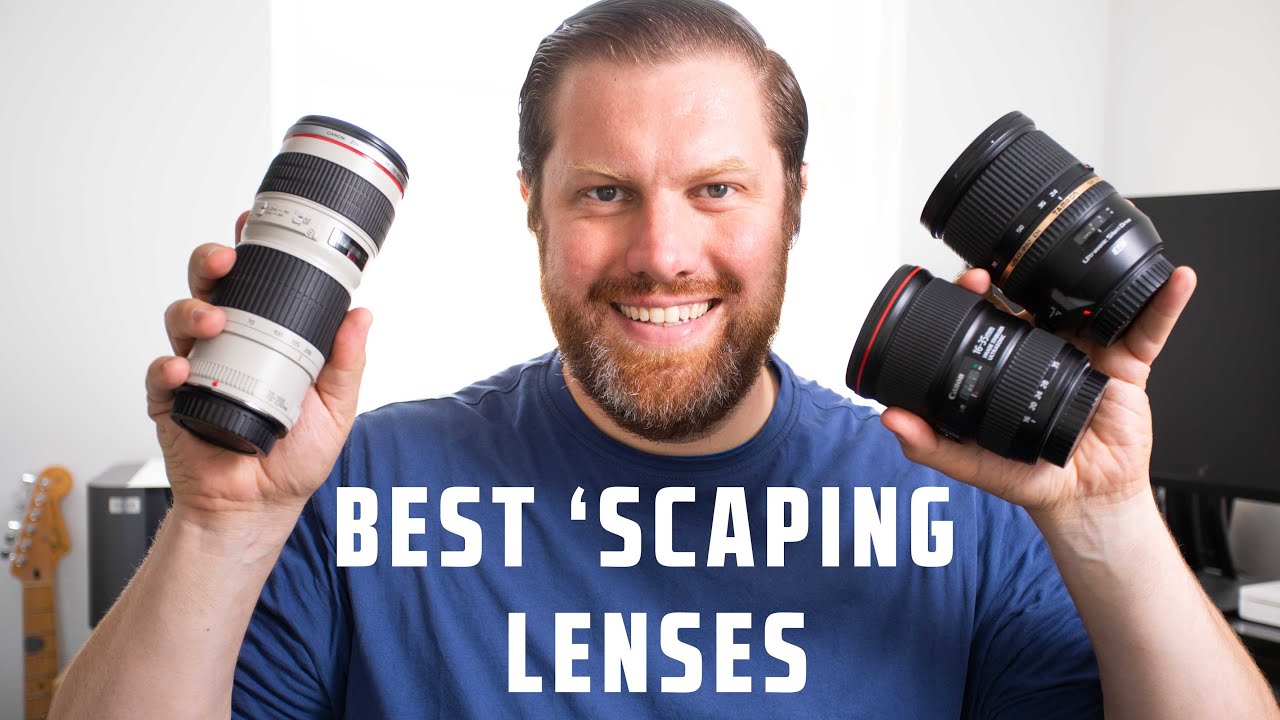
The Holy Trinity of Landscape Lenses: What Each Focal Length Actually Does for Your Story

The Holy Trinity of Landscape Lenses: What Each Focal Length Actually Does for Your Story

Every time I head into the mountains outside Denver for a shoot, I end up standing at a trailhead making the same decision: which lens stays in the bag. For years I defaulted to wide angle for everything outdoors because, honestly, that’s what the internet told me landscape photographers use. It wasn’t until I started paying closer attention to why certain focal lengths work in certain situations that my compositions actually improved.

HyperX Cloud Alpha Air Review: Budget Gaming Audio That Actually Delivers

HyperX Cloud Alpha Air Review: Budget Gaming Audio That Actually Delivers

Finally, a Gaming Headset That Won’t Break the Bank I’ve tested enough gaming headsets to know that most of them fall into one of two camps: cheap garbage or unnecessarily expensive. So when HyperX dropped the Cloud Alpha Air at $150, I was skeptical. But after spending serious time with these cans, I’m genuinely impressed. Let’s be real—you don’t need to spend $300 on a headset to get solid audio. The Cloud Alpha Air proves that, and I appreciate HyperX for not trying to convince us otherwise.

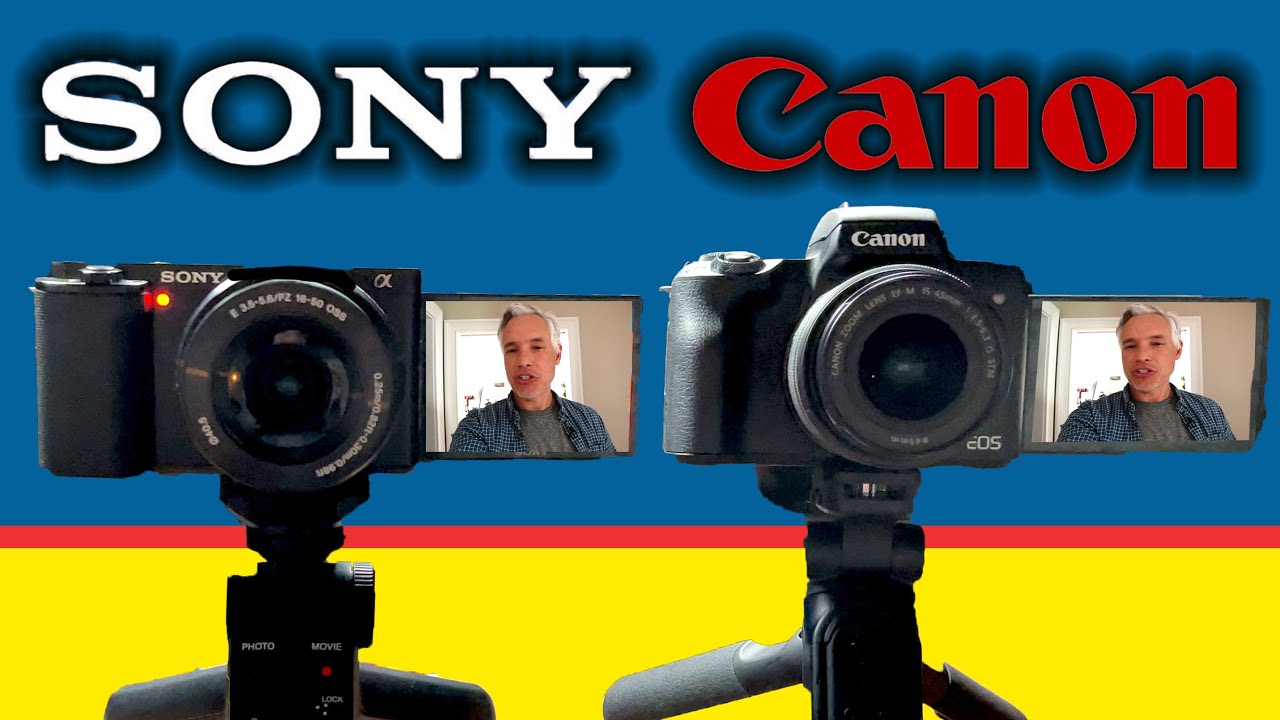
Sony ZV-E10 vs Canon M50: A Budget Vlogger's Honest Breakdown of the Upgrade Question

Sony ZV-E10 vs Canon M50: A Budget Vlogger's Honest Breakdown of the Upgrade Question

Every few months a new camera drops and my inbox fills up with the same question: “Should I switch?” I get it. I’ve been there. I still remember agonizing over my first real camera body upgrade and wondering whether the extra $200 would actually show up in my footage or just in my credit card statement. The Sony ZV-E10 has been generating that exact conversation since it launched, especially among Canon M50 users who’ve built their whole setup around that camera.

Checkerboard Lighting: How to Use Background Light for Dramatic Portraits

Checkerboard Lighting: How to Use Background Light for Dramatic Portraits

Background light is one of those things I ignored for an embarrassingly long time. My subject would look fine on camera, but something always felt flat about the image. The shadow side of a face would just dissolve into the background like the person was being swallowed by the frame. I kept thinking it was a posing problem or a post-processing problem. It wasn’t. It was a separation problem, and the fix lives in how you think about your background.

Baby Plates: The $15 Grip Accessory That Unlocks a Permanent Studio Setup

Baby Plates: The $15 Grip Accessory That Unlocks a Permanent Studio Setup

If you shoot in a small studio or on location with any regularity, you’ve probably hit this wall: you need a light somewhere there’s no logical place to put a stand. Maybe the corner is too tight, the floor is too cluttered, or you’re working in a space where you’ll be back every week and setting up stands every single time is eating into your shoot time. This is the problem that baby plates solve, and once you understand what they are, you’ll wonder how you worked without them.

Lightroom vs Capture One vs DxO: Which Editing Software Is Actually Worth Paying For?

Lightroom vs Capture One vs DxO: Which Editing Software Is Actually Worth Paying For?

I spent three hours last Tuesday doing something I’m not proud of: recalculating my annual software subscriptions while my actual photos sat unedited on my hard drive. When you add up Lightroom at $9.99/month (bundled with Photoshop through the Photography Plan at $119.88/year), Capture One’s subscription at $179/year, and the one-time purchase I made for DxO PhotoLab 7 at $219, the numbers get uncomfortable fast. And that’s before you factor in Luminar Neo or any of the AI-upscaling tools that keep landing in my inbox.

How to Shoot Lens Flare In-Camera for Portraits (No Photoshop Required)

How to Shoot Lens Flare In-Camera for Portraits (No Photoshop Required)

Most of the lens flare you see in portraits is faked in post. A few clicks in Lightroom, a flare overlay from some preset pack, and suddenly everything looks like a J.J. Abrams fever dream. I get it. It’s fast. But there’s a problem: fake flare looks flat. It sits on top of the image instead of living inside it, and anyone who shoots seriously can spot it. Real, in-camera flare has a quality to it that you just can’t replicate with a slider.

How to Actually See with a Telephoto Lens (Most Landscape Photographers Never Learn This)

How to Actually See with a Telephoto Lens (Most Landscape Photographers Never Learn This)

I spent way too long treating my telephoto lens like a specialty item I only reached for when something was far away. Wide angle on, walk around, find a composition, done. The telephoto stayed in the bag unless I spotted a bird or a distant mountain peak I wanted to pull in. Sound familiar? The problem wasn’t the gear. I’ve tested enough budget telephotos to fill a spreadsheet, and even the cheap ones are optically capable of stunning landscape shots.