Cyber Monday Camera Deals Worth Actually Buying (And a Few That Surprised Me)

Cyber Monday Camera Deals Worth Actually Buying (And a Few That Surprised Me)

Every year around this time, my inbox turns into a graveyard of forwarded deal links from photographer friends who don’t have time to vet anything themselves. I get it. The window is short, the discounts are loud, and separating genuinely good deals from repackaged mediocrity takes more homework than most people want to do on a holiday weekend. I’ve been tracking gear prices in a spreadsheet long enough to know that “50% off” sometimes means “50% off a price nobody ever paid.

Japan's Camera Market Gets Shaken Up: What the Latest Sales Data Really Tells Us

Japan's Camera Market Gets Shaken Up: What the Latest Sales Data Really Tells Us

I’ve been watching the Japanese camera market closely, and the July 2026 sales rankings just landed with some genuinely interesting takeaways—not because of who’s winning, but because of what’s actually happening beneath the surface. Sony Keeps Its Grip, But That’s Not the Story Let’s get the obvious out of the way: the Sony a7 V is sitting pretty at number one again in Japan. This camera has basically owned the top spot since it launched seven months ago, and honestly?

Stop Asking Which Lens Is Best for Landscape Photography (Here's What to Ask Instead)

Stop Asking Which Lens Is Best for Landscape Photography (Here's What to Ask Instead)

Every few weeks I get a version of the same question in my inbox: “Tyler, I have $X saved up — which lens should I buy for landscapes?” I used to give a confident answer. Wide angle, obviously. Get the 16-35 and you’re set. Then I watched Thomas Heaton basically call out people like me for contributing to the noise. He’s right, and it stung a little. In this Thomas Heaton tutorial, he works through the single most common landscape photography question on YouTube and lands on an answer that’s genuinely more useful than the confident hot takes most of us dish out.

7 Wide Angle Lens Habits That Actually Make Your Shots Look Intentional

7 Wide Angle Lens Habits That Actually Make Your Shots Look Intentional

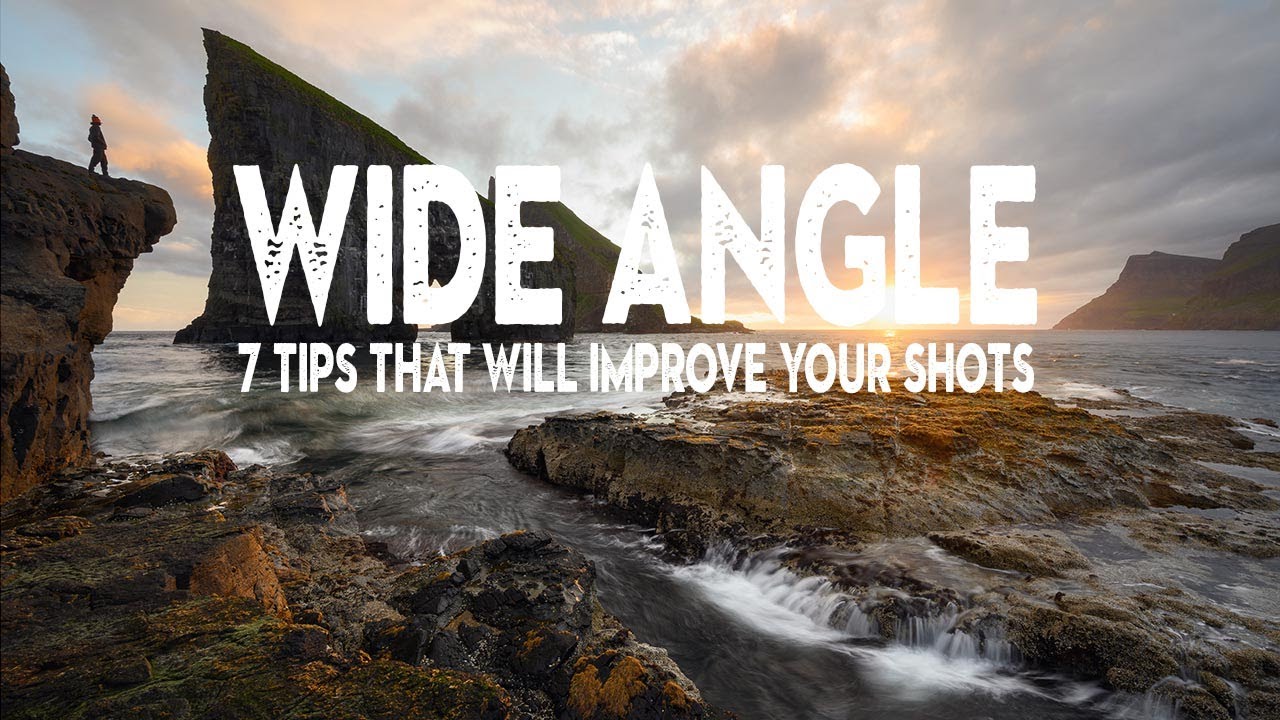
Wide angle lenses are one of those purchases that feel exciting in the cart and humbling in the field. I’ve tested more budget wide angles than I care to admit - there’s a whole tab in my gear spreadsheet dedicated to them - and the honest truth is that the lens itself is rarely the problem. Technique is. I’d hand someone a $200 wide angle and watch them produce flat, lifeless images, then hand the same lens to someone who understood how to use the field of view, and suddenly it looked like a completely different piece of glass.

Crop Aggressively and Skip the Telephoto: What Pierre T. Lambert Gets Right

Crop Aggressively and Skip the Telephoto: What Pierre T. Lambert Gets Right

There’s a lens-shaped hole in a lot of photographers’ budgets, and most of the time it doesn’t need to be filled. I’ve reviewed enough budget glass to know that the gear acquisition spiral usually starts the same way: you’re too far from your subject, the shot doesn’t look the way you wanted, and your brain immediately jumps to “I need a 200mm.” I’ve been there. I built my whole following on proving that instinct wrong.

The 3-Lens Landscape Kit That Actually Makes Sense (Built Around Real-World Use)

The 3-Lens Landscape Kit That Actually Makes Sense (Built Around Real-World Use)

One of the questions I get more than almost anything else is some version of “which lenses do I actually need?” Not which ones are technically best. Not which ones win on spec sheets. Which ones should I pack when I’m already carrying water, a tripod, and layers for weather I didn’t expect. That is a real question with a real cost attached to it, and most lens recommendation articles dodge it completely.

Two Lenses, One Year of World Travel: What Pierre T. Lambert Got Right (And What I'd Do Differently)

Two Lenses, One Year of World Travel: What Pierre T. Lambert Got Right (And What I'd Do Differently)

There’s a question I get more than any other: “What lenses should I actually carry?” Not what’s on the spec sheet. Not what a camera store employee suggests because it moves margin. What actually works when you’re out in the field trying to cover a wide range of subjects without blowing your back out or your budget. In this Pierre T. Lambert tutorial, he answers that question from a very specific and useful vantage point: a full year of shooting around the world, covering landscape, portrait, street, and lifestyle work with just two lenses.

Canon's Cheap New Lenses, Sony's Drone Play, and What Nikon's Layoffs Actually Mean for Photographers

Canon's Cheap New Lenses, Sony's Drone Play, and What Nikon's Layoffs Actually Mean for Photographers

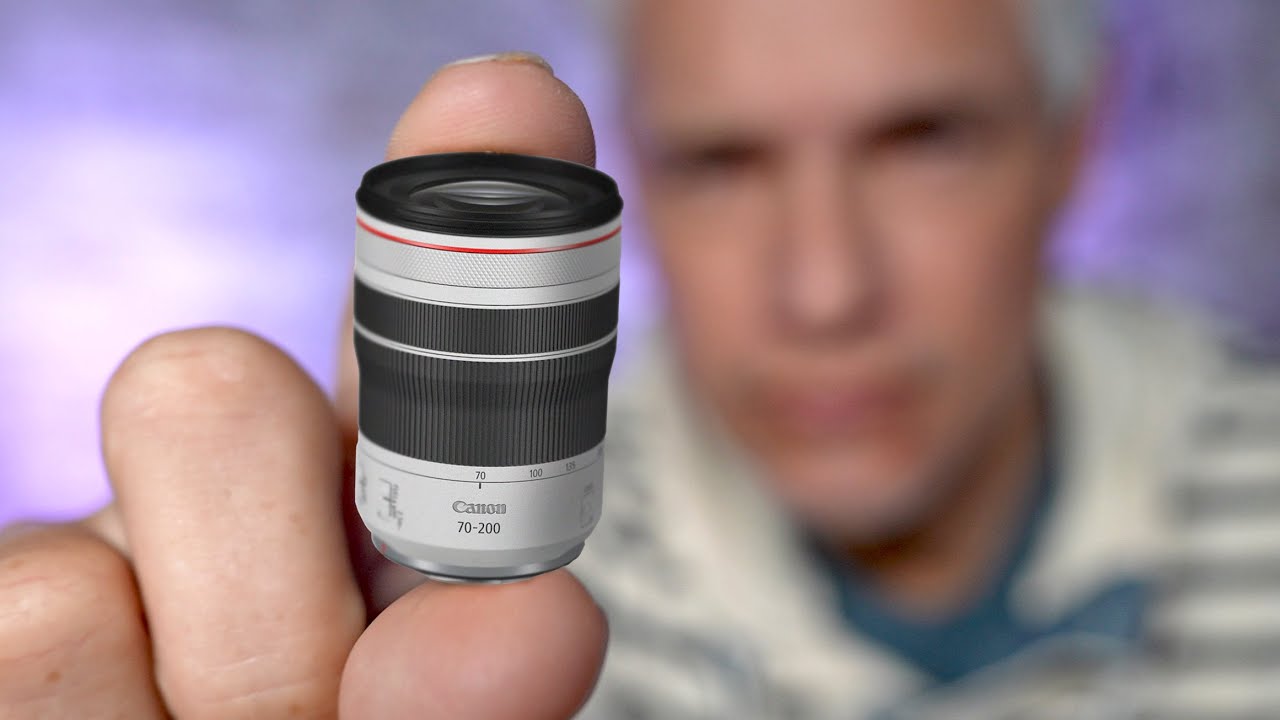
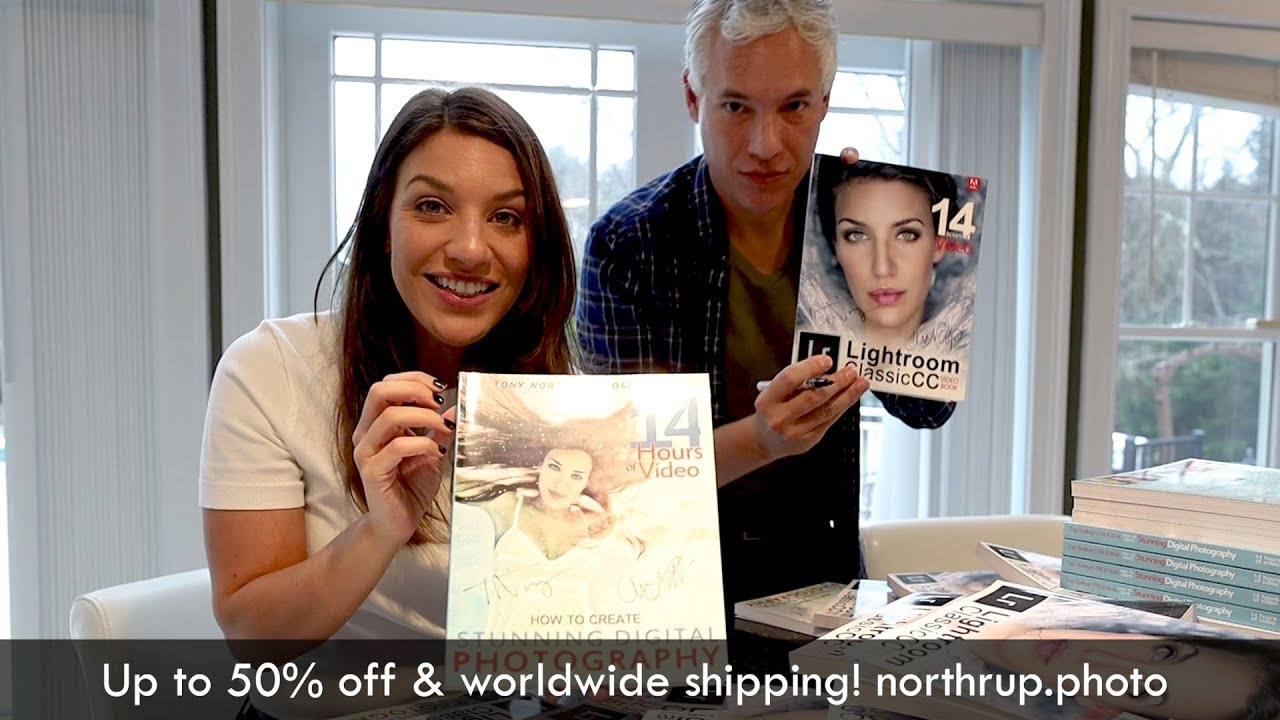
Every few months the camera industry drops a cluster of news that actually changes the math on what to recommend to people. Not incremental firmware updates or rebadged accessories, but real shifts in pricing and product categories that affect buying decisions. This week was one of those weeks. Watch the full tutorial on YouTube where Tony and Chelsea Northrup break down the full picture, but I want to dig into what this actually means if you’re buying, shooting, or advising someone else on gear right now.

What Happens When Two Photographers Swap Lenses Mid-Shoot (And What It Teaches You About Your Own Glass)

What Happens When Two Photographers Swap Lenses Mid-Shoot (And What It Teaches You About Your Own Glass)

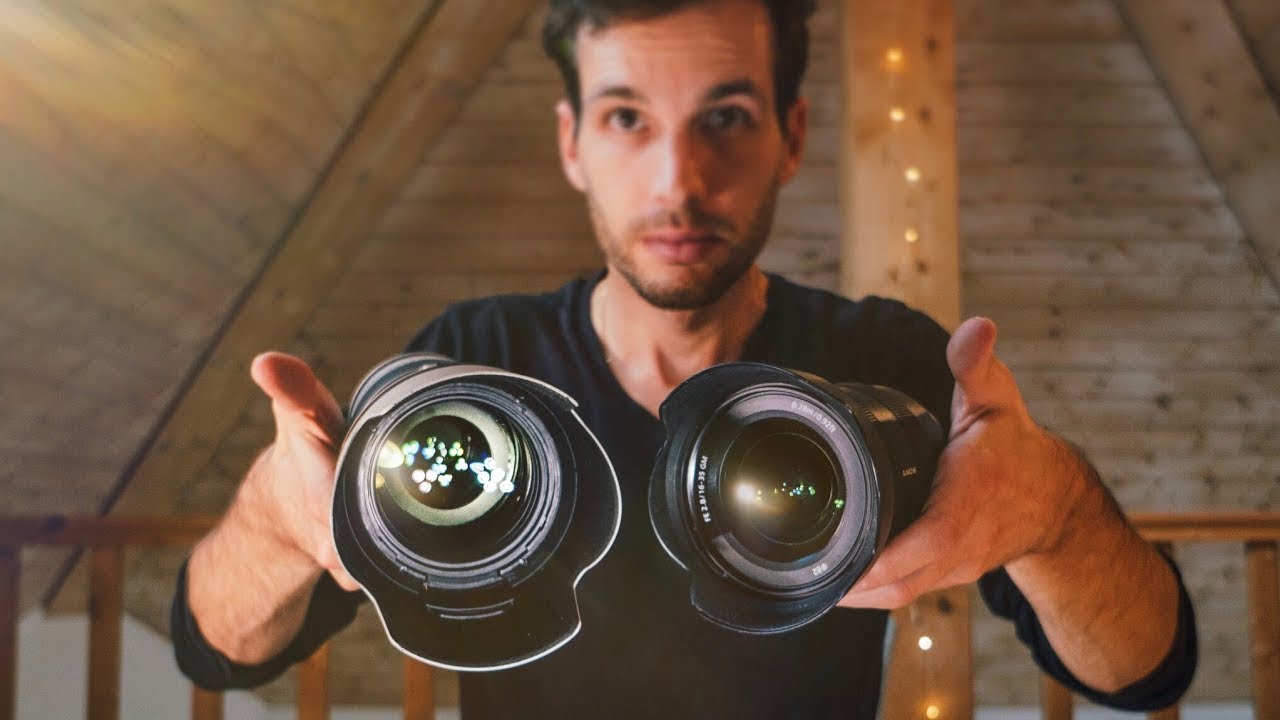
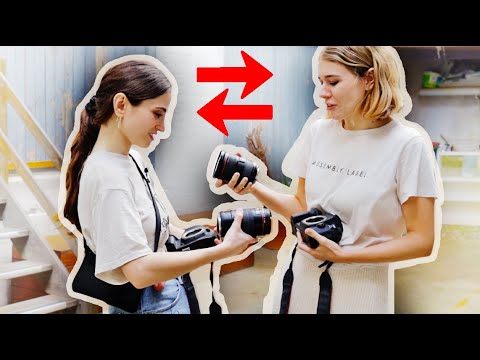
I spend a lot of time thinking about lenses in terms of specs and price points. That’s the job. But there’s a different kind of lens education that no MTF chart can give you, and it only happens when you’re forced to shoot with glass that doesn’t match how your brain works. That’s the real lesson hiding inside this Jessica Kobeissi tutorial, where she and beauty photographer Kaylee swap lenses entirely and each tries to shoot in the other’s style.

The Viltrox 35mm f/1.2 Is Half the Price of Sony's Version — Here's What It Actually Delivers

The Viltrox 35mm f/1.2 Is Half the Price of Sony's Version — Here's What It Actually Delivers

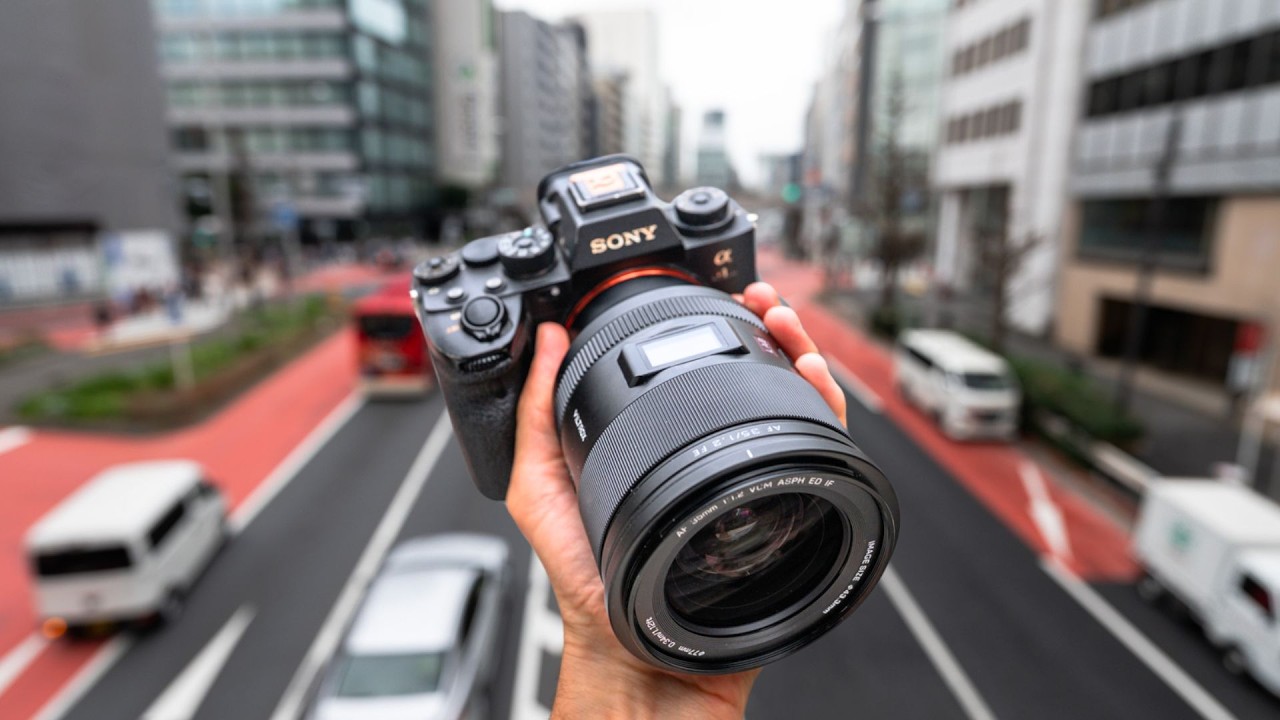
I’ve got a spreadsheet with every budget lens I’ve ever tested, and the column I always sort by first is “value vs. flagship equivalent.” That single ratio has saved me — and plenty of readers — from spending money they didn’t need to spend. So when I came across Pierre T. Lambert’s hands-on field test of the Viltrox 35mm f/1.2, I paid close attention. Pierre is a travel and adventure photographer who shoots in real conditions, not just a controlled studio, which means his opinion carries actual weight.

Why I Now Take My 100-400mm Lens on Every Landscape Shoot (And How to Actually Use It)

Why I Now Take My 100-400mm Lens on Every Landscape Shoot (And How to Actually Use It)

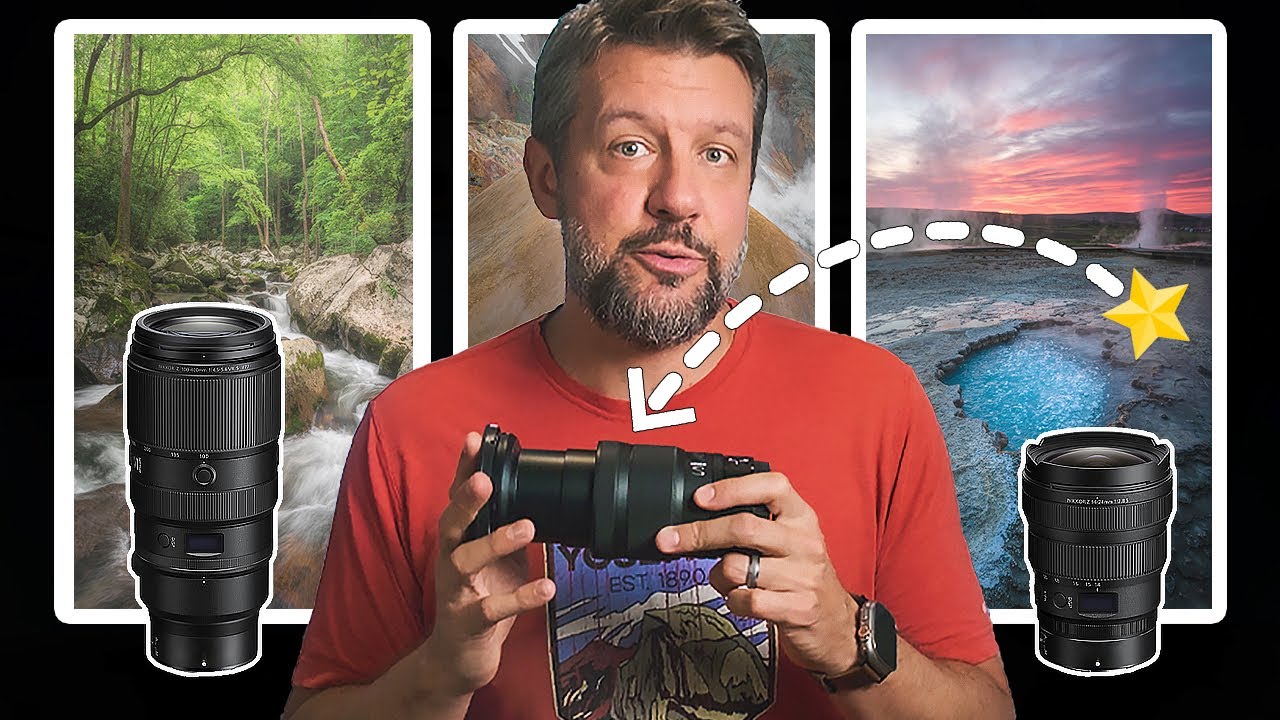
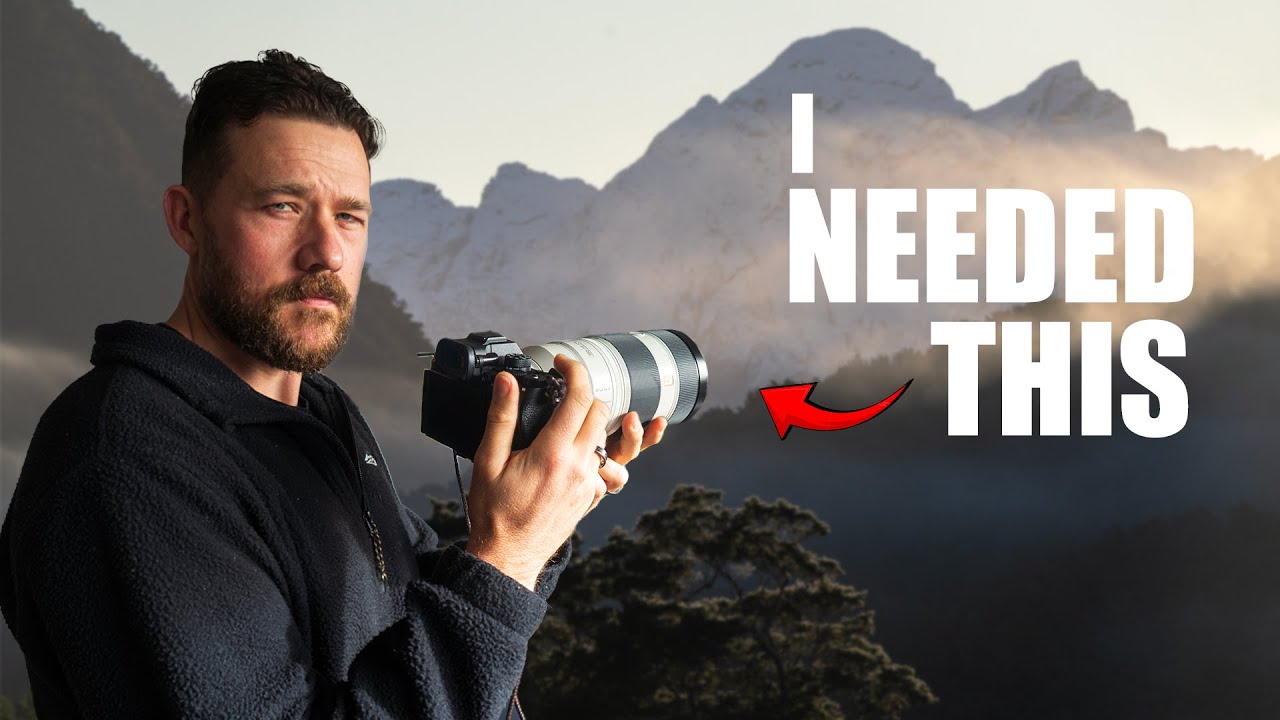
Most landscape photographers treat their telephoto lens like a backup option. It stays in the bag while the wide angle does all the work. I used to do the same thing. My 100-400mm would come out maybe once a session, usually when I spotted wildlife, then back in it went. Watching William Patino work through a frosty winter morning in New Zealand’s South Island genuinely changed how I think about that piece of glass.

Stop Settling for Mediocre Bluetooth Audio on Your Photography Gear

Stop Settling for Mediocre Bluetooth Audio on Your Photography Gear

The Bluetooth Codec Problem Nobody Talks About Here’s something that drives me nuts: photographers drop serious cash on premium gear, then pair it with Bluetooth audio that sounds like it’s coming through a tin can. I’m talking about wireless microphones, audio recorders, and monitoring systems that should sound professional but often don’t. The culprit? Most people have no idea what a Bluetooth codec is, let alone how to optimize theirs. This isn’t some obscure technical rabbit hole—it’s the difference between audio that works and audio that actually sounds good.