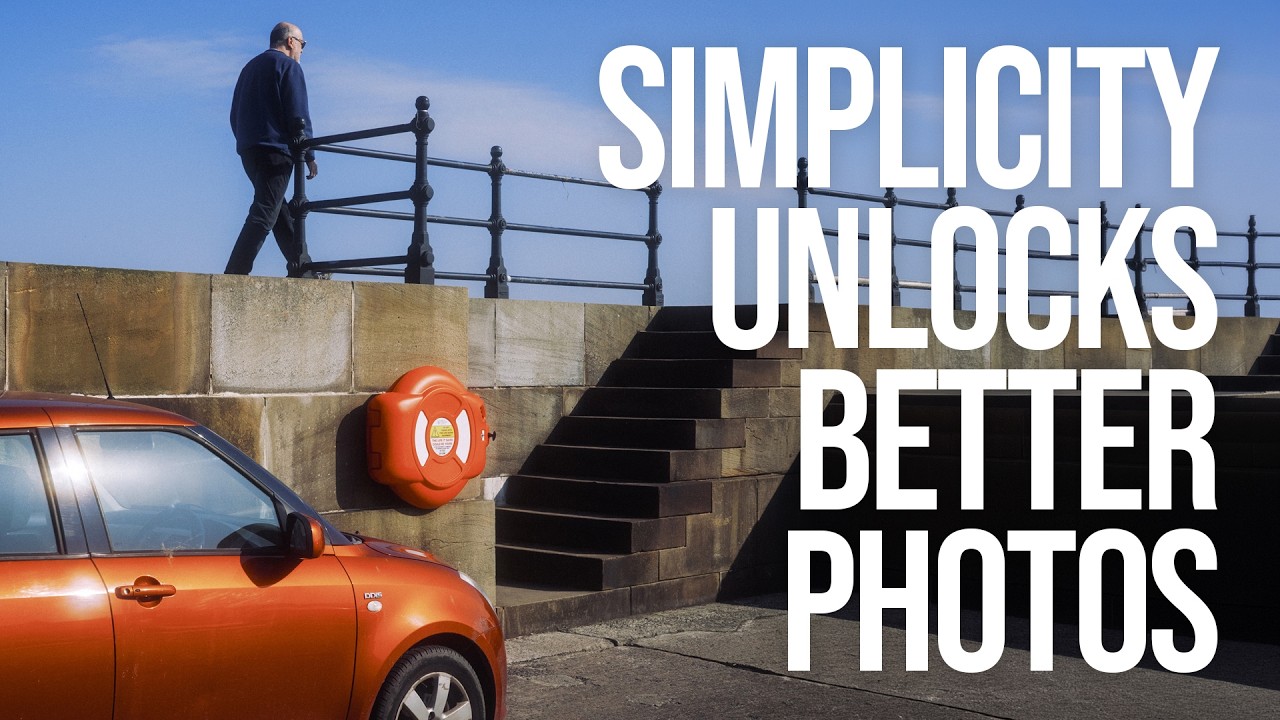
There’s an embarrassing irony in my line of work. I spend more time researching gear than actually using it. I’ve tested five tripods under $50 in a single month, I cross-reference price histories before my coffee cools, and I once bought three versions of the same budget lens just to find the sharpest copy. The gear side? I’ve got that wired. But for a long stretch last year, I kept running into the same wall: I had a bag full of capable cameras, a head full of YouTube tutorials, and absolutely no idea what to go shoot. Not from lack of interest. From too much of it.
That problem sounds abstract until it starts costing you weeks. I’d open my notes app, scroll past twelve half-formed project ideas, close it, and go back to browsing deals. So when I came across Watch the full tutorial on YouTube from Sean Tucker, I wasn’t expecting a gear tip or a technical fix. What I got was something more useful: a genuinely practical framework for getting unstuck. It draws on how working photographers actually build projects, and it translates cleanly whether you’re shooting street, landscapes, or portraits on a kit lens.
The core argument Tucker makes is counterintuitive but hard to argue with once you hear it. We think more freedom means more creativity. In practice, for people who tend to overthink, more options just means more paralysis. The fix isn’t more inspiration. It’s a tighter box to work inside.
Step 1: Recognize the Real Problem (It’s Not a Gear Problem)
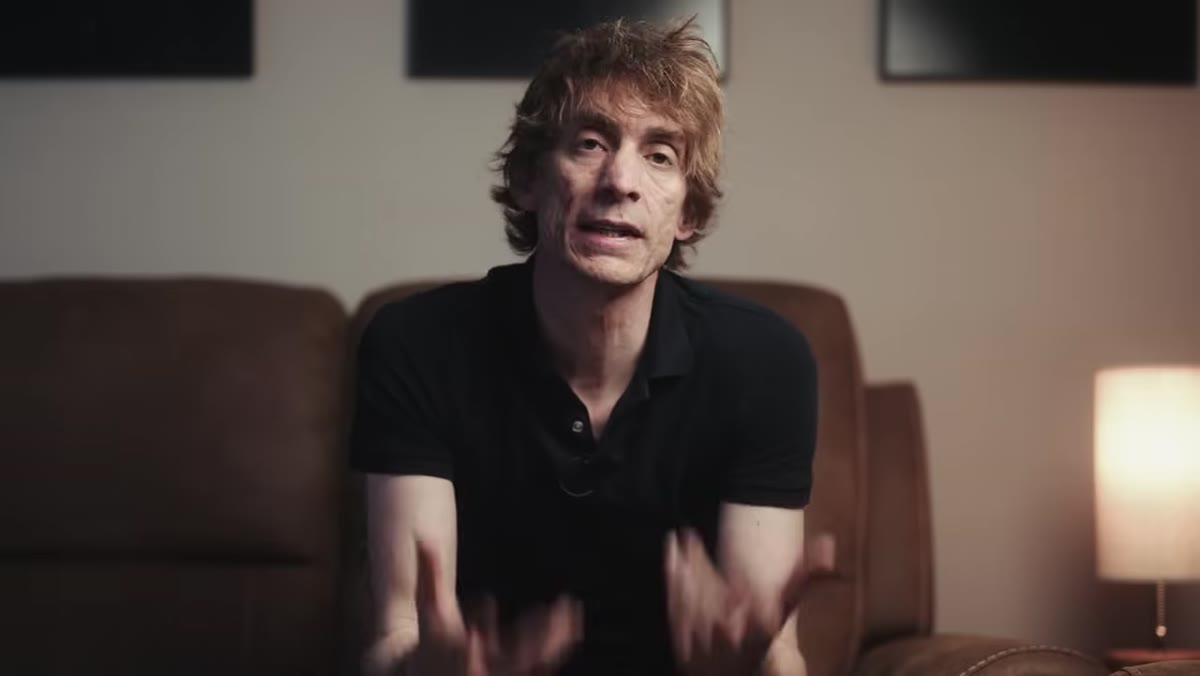 Presenter speaking directly to camera about creative paralysis
Before you change anything about your workflow, Tucker wants you to sit with an honest diagnosis. The issue isn’t that you lack ideas. It’s that you have too many, and none of them feel certain enough to commit to. That fear of picking the wrong direction ends up outweighing the value of picking any direction at all. Sound familiar? I had a whole folder of “someday” photo projects that I’d been adding to for two years without shooting a single frame for any of them.
Presenter speaking directly to camera about creative paralysis
Before you change anything about your workflow, Tucker wants you to sit with an honest diagnosis. The issue isn’t that you lack ideas. It’s that you have too many, and none of them feel certain enough to commit to. That fear of picking the wrong direction ends up outweighing the value of picking any direction at all. Sound familiar? I had a whole folder of “someday” photo projects that I’d been adding to for two years without shooting a single frame for any of them.
The practical move here is to stop treating your creative block as a motivation problem. You’re not lazy. You’re stuck in a decision loop. That distinction matters because the solution isn’t to wait for inspiration. It’s to remove decisions from the equation entirely, at least temporarily.
Step 2: Study the Mississippi River Principle
 Presenter describing the Alec Soth “Sleeping by the Mississippi” project
Tucker references Magnum photographer Alec Soth’s book “Sleeping by the Mississippi” as the clearest illustration of this idea. Soth didn’t sit at home waiting for a fully formed concept. He gave himself one simple constraint: follow the river. He drove the route, stopped when something caught his eye, made the photograph, and moved on. No overarching theme predetermined. No pressure to make every image fit a pre-approved concept.
Presenter describing the Alec Soth “Sleeping by the Mississippi” project
Tucker references Magnum photographer Alec Soth’s book “Sleeping by the Mississippi” as the clearest illustration of this idea. Soth didn’t sit at home waiting for a fully formed concept. He gave himself one simple constraint: follow the river. He drove the route, stopped when something caught his eye, made the photograph, and moved on. No overarching theme predetermined. No pressure to make every image fit a pre-approved concept.
What emerged from that process were themes he couldn’t have planned. Sleep, stillness, the interior lives of the people he encountered. Those ideas surfaced through the work, not before it. Your takeaway here is to notice that even photographers operating at that level don’t always start with a grand vision. Sometimes the concept is just “go here and see what you see.”
Step 3: Design Your Own Constraint
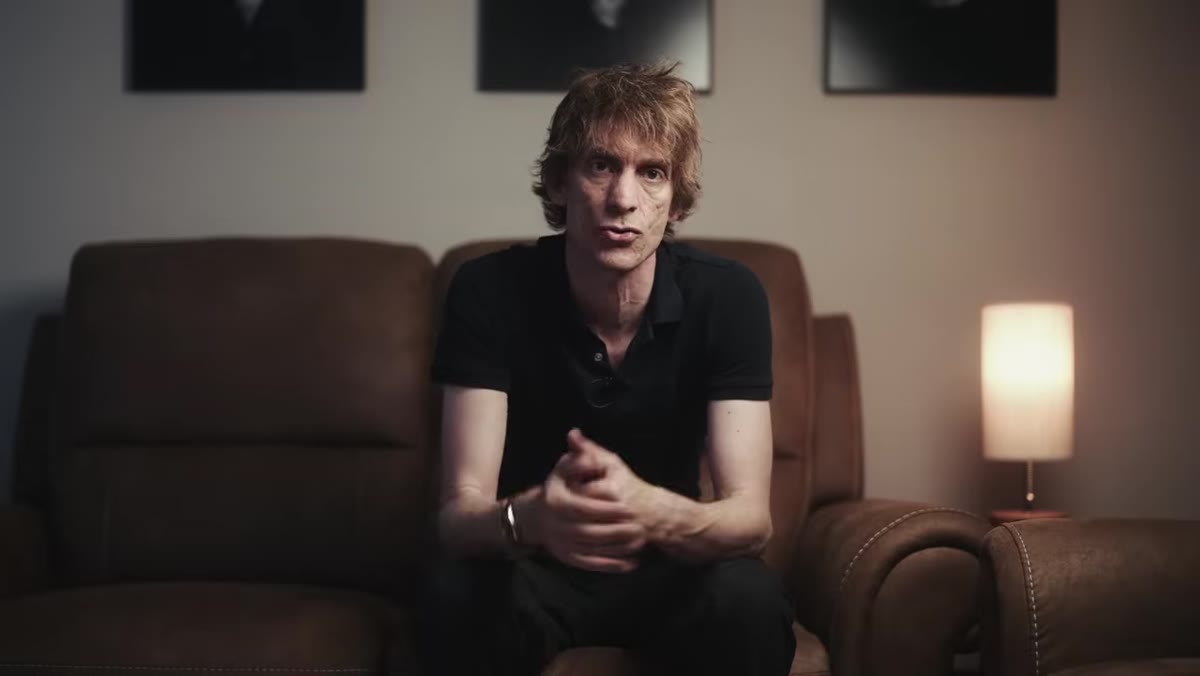 Presenter explaining the concept of deliberate limitations
This is the step that actually requires you to do something. The constraint needs to be specific enough to remove decision fatigue, but loose enough to leave room for discovery. Tucker’s framing is “loose guardrails,” and that’s exactly right.
Presenter explaining the concept of deliberate limitations
This is the step that actually requires you to do something. The constraint needs to be specific enough to remove decision fatigue, but loose enough to leave room for discovery. Tucker’s framing is “loose guardrails,” and that’s exactly right.
For me, the first time I tried this, I gave myself one rule: shoot only within walking distance of my apartment, only on Tuesday mornings, only with my 35mm-equivalent lens. That’s it. No subject requirement, no style requirement. The limitation wasn’t creative. It was logistical. And that’s the point. Logistical limits clear the path so you can focus on seeing, which is the actual job.
Step 4: Start Before You Have a Concept
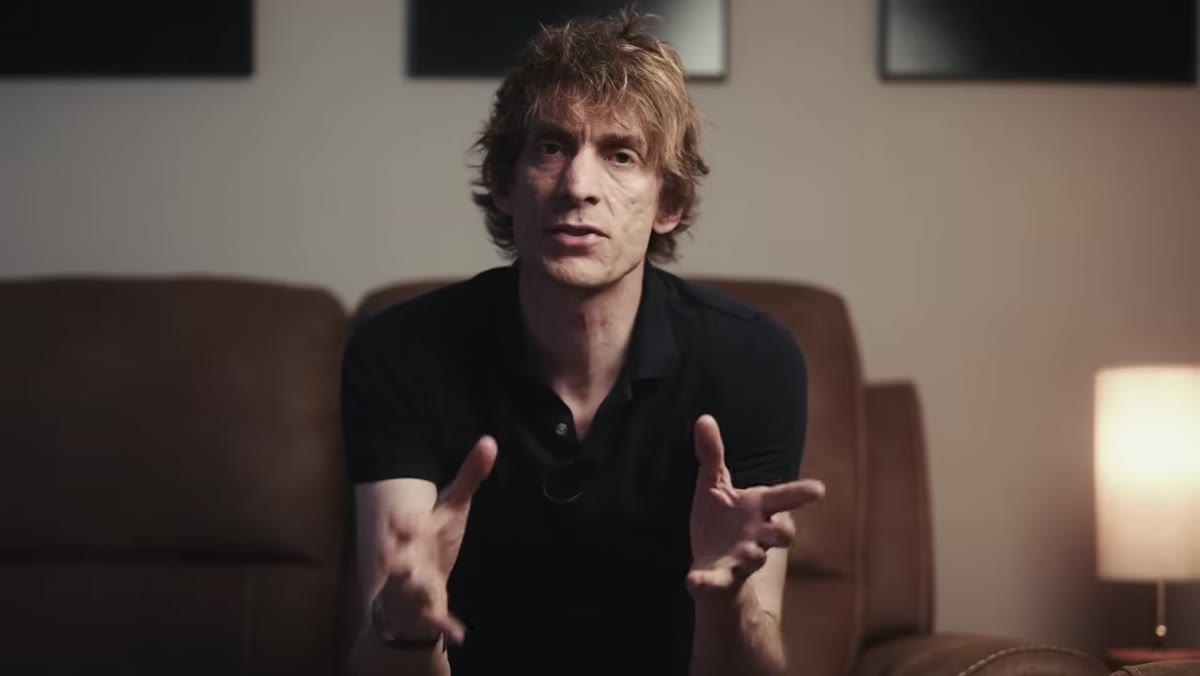 Presenter discussing how clarity comes after starting, not before
Tucker puts it plainly: clarity usually comes after you’ve started, not before. This flies in the face of how most of us approach projects. We want the idea locked in before we leave the house. But waiting for that fully formed concept can stall you indefinitely.
Presenter discussing how clarity comes after starting, not before
Tucker puts it plainly: clarity usually comes after you’ve started, not before. This flies in the face of how most of us approach projects. We want the idea locked in before we leave the house. But waiting for that fully formed concept can stall you indefinitely.
The practical instruction is simple and slightly uncomfortable. Go out without a plan. Have your constraint as your only brief. Shoot what grabs you. Don’t filter in the field based on whether it “fits” something. You don’t know what it fits yet, and that’s fine.
Step 5: Build the Body of Work First, Find the Theme After
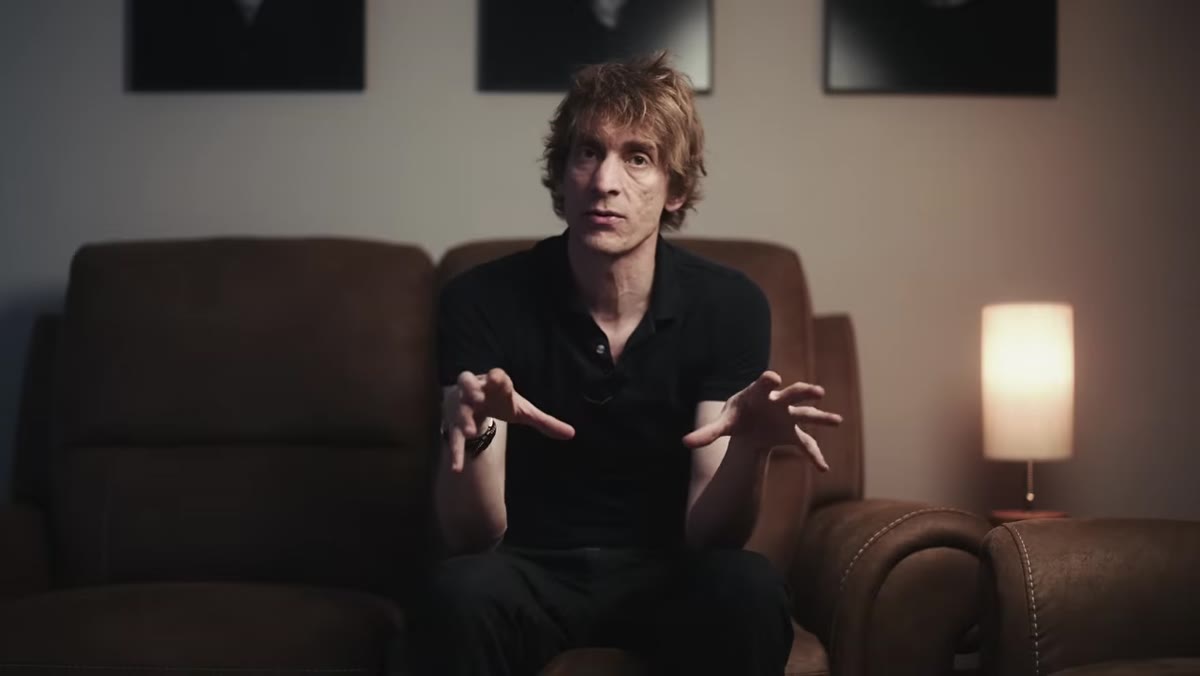 Presenter describing how themes emerge from a body of images
Once you’ve made a significant number of images under your constraint, stop and look at them together. This is where Tucker’s approach pays off. When you spread a few dozen images out (on a table, in Lightroom, even on your phone), patterns start to appear that you never consciously planned. You’ll notice you kept returning to a certain kind of light, or a repeated subject, or a consistent mood.
Presenter describing how themes emerge from a body of images
Once you’ve made a significant number of images under your constraint, stop and look at them together. This is where Tucker’s approach pays off. When you spread a few dozen images out (on a table, in Lightroom, even on your phone), patterns start to appear that you never consciously planned. You’ll notice you kept returning to a certain kind of light, or a repeated subject, or a consistent mood.
That’s your theme emerging organically. Document it. Name it, even loosely. Then use it to guide your next round of shooting. Now you have direction, and it came from the work rather than from staring at a blank notes app.
What I’d Add: The Budget Constraint Works the Same Way
Tucker talks about creative constraints, but I’d argue the principle extends to gear constraints too, and maybe even harder. Some of my most focused shooting happened when I limited myself to one cheap prime and nothing else. No zoom temptation, no swapping bodies. Just one focal length and the scene. The gear limitation forced the same kind of clarity that Soth’s river route created.
I did this with a $90 manual lens I picked up used, partly to test it and partly because I was curious what a week of shooting with nothing else would produce. The images I made that week were more cohesive than anything I’d shot in months with a full kit. The constraint made the decisions for me.
If you’re the kind of person who, like me, has spreadsheets of gear options and fifteen tabs open on price trackers, try pairing Tucker’s creative constraint with a gear constraint. Pick the cheapest capable lens you own, give it a week, and don’t switch. You might be surprised what shows up when you stop choosing.
The single most important thing Tucker’s tutorial surfaces is this: you don’t need a better idea, you need a smaller box. Inspiration follows action, not the other way around. Pick a constraint, get out the door, and let the work tell you what it’s about.
Watch the full tutorial on YouTube and hear Tucker walk through the full thinking behind this. It’s one of the more honest and useful creative conversations I’ve come across in a long time.
Comments (2)
I tried this on a client project yesterday and the results were way better than expected.
Applied this to my portfolio shots and the improvement is noticeable.
Leave a Comment