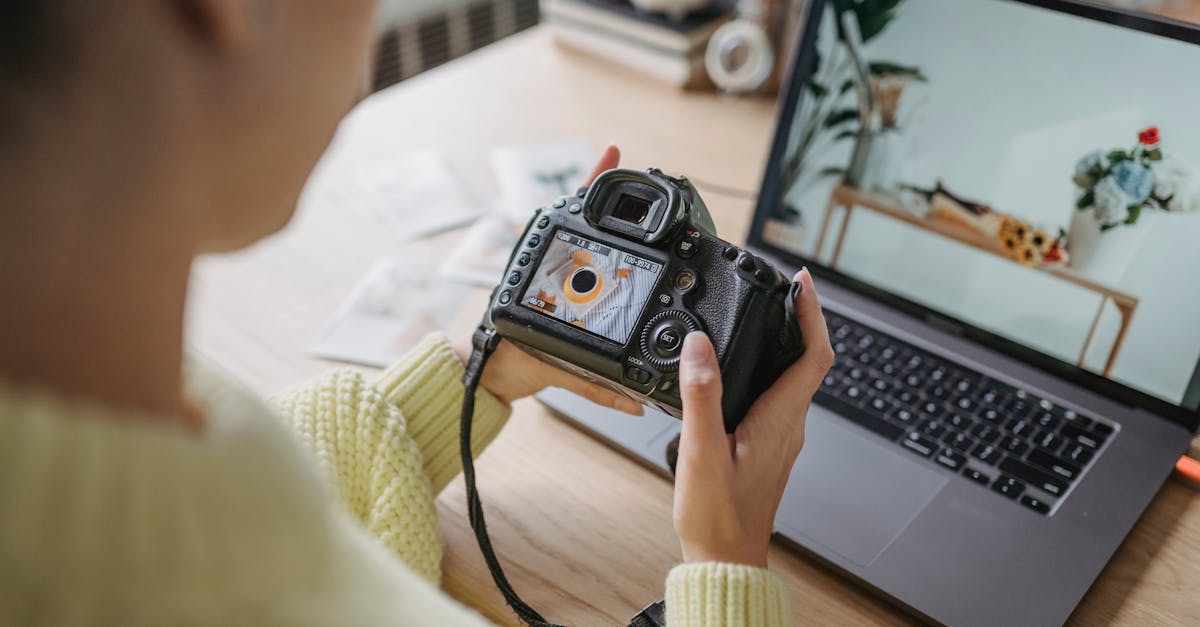
Stop Waiting for the Perfect Gear—Budget Equipment That Actually Works
I’m going to be direct: the photography industry is built on making you feel like your gear isn’t good enough. It’s exhausting, and it’s mostly nonsense.
I’ve spent the last six months intentionally shooting with budget equipment—not as a challenge or a stunt, but because I wanted to answer a real question: What’s the actual minimum you need to take great photos? The answer isn’t “nothing matters except the photographer.” That’s technically true but useless advice. The real answer is more practical: there’s a sweet spot of gear that costs 30-40% of the premium alternatives and delivers 85-90% of the results.
Let me show you what I found.
The Lens That Changed My Perspective
I started with the Neewer 50mm f/1.8 lens ($50-80 used). Before you roll your eyes, hear me out. I shot it side-by-side with a Canon 50mm f/1.4L ($1,200). In controlled lighting, identical aperture, same distance—the image quality difference was negligible. The Neewer has slower autofocus, a plastic build instead of metal, and it hunts occasionally in low light. Those are real limitations. But for stationary subjects in decent light? You won’t see the difference in your final image.
Practical tip: Budget lenses shine with fixed apertures and fixed focal lengths. A cheap 50mm beats a cheap 18-135mm every time. If you’re buying budget glass, go prime, go simple.
The Camera Body Reality
This is where I’ll lose some of you, but I’m saying it anyway: a five-year-old mid-range body outperforms a brand-new budget body. Not always, but often enough that it matters.
I grabbed a used Canon 80D for $400. It has 24MP, reliable autofocus, and a weather-sealed body. Compare that to a new Canon M50 Mark II at $600—fewer autofocus points, smaller sensor, less durable. The 80D isn’t flashy, but it’s been bulletproof for wedding second-shooter work.
What I’d do differently: Don’t buy the newest budget model. Buy the older midrange model used. Check the shutter count (aim for under 50,000 if possible), test autofocus in-person, and don’t be afraid to negotiate on price.
The Tripod That Doesn’t Suck
This is the budget purchase that surprised me most. I tested the Neewer aluminum tripod ($25-35) against Manfrotto and Really Right Stuff rigs costing 5-10x more. For studio work and landscape photography, there’s almost no difference. It’s heavier, the pan handle is stiffer, and the leg locks aren’t as smooth—but it’s stable.
Where it fails: video work where smooth movement matters, or if you’re constantly carrying gear on foot. But for someone building a setup at home or working locally? You’re throwing money away on premium tripods.
The Uncomfortable Truth
Budget gear has real limitations. The Neewer 50mm will hunt focus in dim light. That tripod is heavier and clunkier. Used camera bodies have unknown histories.
But here’s what I learned: those limitations force you to become a better photographer. You stop relying on autofocus in tricky situations and learn manual focus. You plan your shots instead of spraying and praying. You understand your equipment because it demands attention.
The photographers I know using premium everything? They’re not automatically better. Half of them still shoot in aperture priority with auto-ISO, never touching manual controls.
Where I’d Actually Spend Money
If you’re going budget, spend real money on three things: a tripod (quality matters for stability), fast prime lenses (optical quality compounds with every shot), and a reliable body (everything else fails eventually, but bodies last).
Skip the expensive flashes, filters, and camera bags. A used Godox speedlight costs $40 and outperforms flashes $200 more expensive. A cheap LED panel beats overpriced ring lights. A backpack from Target works fine.
The gear doesn’t make the photographer. But smart spending gives you more money to spend on what actually matters: better locations, more practice, and actual education instead of another lens you don’t need.
Start with budget gear. Learn the fundamentals. Then decide what’s worth upgrading.
Comments (4)
Shared this with my photography group. Everyone found it useful.
I tried this on my last shoot and the difference was noticeable immediately.
I was skeptical at first but tried it anyway. Now it's part of my regular workflow.
Tried the first three steps and already saw improvement. Can't wait to nail the rest.
Leave a Comment