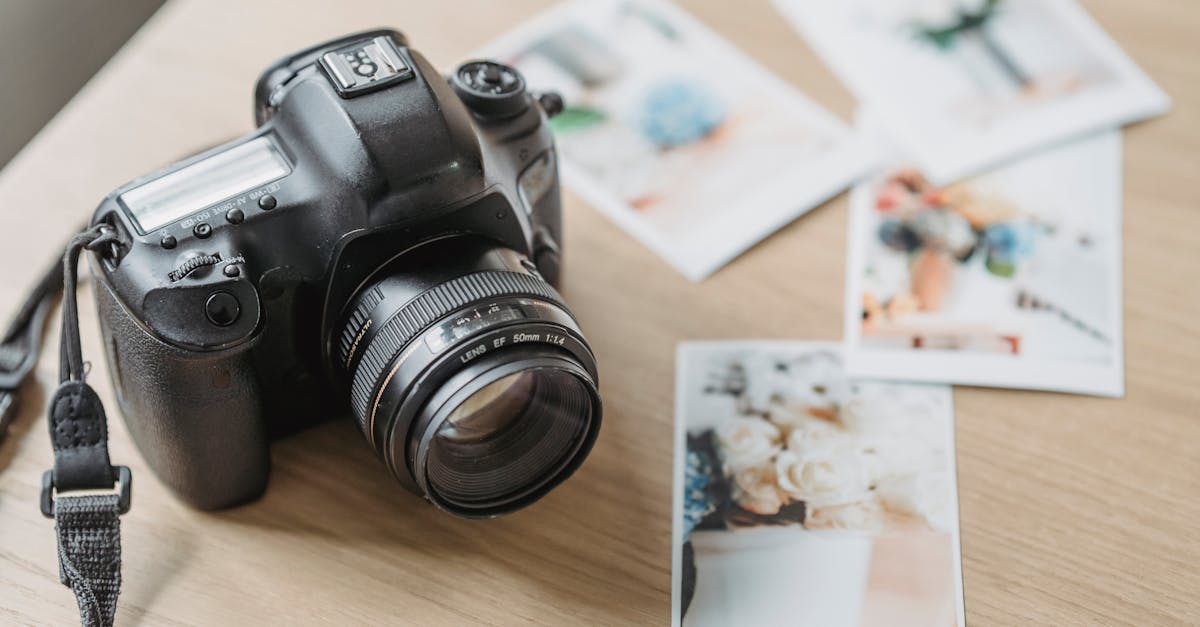
Stop Buying Lenses Based on Specs — Here’s How I Actually Compare Them
I’ve tested hundreds of lenses over the past decade, and I can tell you with absolute certainty: the lens with the best specs sheet is rarely the best lens for your wallet or your work.
Here’s the problem. Most lens comparisons focus on MTF charts, distortion percentages, and coma aberrations at f/16. Nobody shoots at f/16. And more importantly, those numbers don’t tell you if a lens feels good to use, holds its value, or actually solves your creative problems.
Let me show you how I actually compare lenses before recommending them—or buying them myself.
The First Filter: What Problem Am I Solving?
Before I touch a lens, I ask myself one question: what shot can’t I currently get?
This sounds obvious, but it’s where 90% of lens purchases derail. You see a beautiful 70-200mm f/2.8 and think “I should have this.” Meanwhile, your actual bottleneck is a versatile wide angle for travel, or a macro lens for product work.
I keep a simple notebook where I track shots I couldn’t take that month. Focal length. Aperture. Context. After three months of this, the pattern becomes obvious. Your next lens purchases itself.
Real-World Optical Testing (Not Lab Tests)
Here’s my field protocol:
1. Shoot identical subjects at matched focal lengths. Same subject, same lighting, same aperture. I’ll shoot the contender lens alongside a reference lens I already own. This reveals rendering differences lab tests never catch.
2. Check autofocus speed in YOUR conditions. Not in a studio. In dim restaurants. In bright sunlight with low contrast. In the situation where you’ll actually use it.
3. Test edge-to-edge sharpness at your working aperture. I don’t care if a lens is sharp at f/4. If you shoot portraits at f/1.8, test at f/1.8. Take 50+ shots at different distances and focus points, then zoom in on the edges at 100%.
4. Evaluate bokeh quality under real conditions. Does it look pleasing to your eye when you’re shooting, not when you’re pixel-peeping on a monitor? This is subjective, but it matters.
The Value Calculation I Use
Price isn’t the only cost. I calculate total cost of ownership:
- Purchase price
- Expected resale value (24 months out)
- Maintenance or repair history
- Compatibility with your existing system
- Rental value if you might loan it
A $2,000 lens that holds 65% of its value and rents for $40/day is often better value than a $1,200 lens that depreciates to 40% and doesn’t rent.
I track these numbers in a spreadsheet. It takes 10 minutes per lens.
The Honesty Test: Would I Upgrade?
Here’s my gut-check question: if I owned this lens, would I upgrade in two years?
If the answer is “maybe,” that’s a red flag. It means the lens doesn’t fully solve the problem, and you’re setting yourself up for gear churn.
I only recommend lenses I’d genuinely keep long-term—or lenses that are so affordable that upgrading is guilt-free.
One Final Reality Check
I rent before I buy. Period. A two-day rental costs $30-50, and it saves you from $1,000+ mistakes. You’ll quickly discover if a lens feels right, if the focal length matches your style, and if the autofocus speed works for your subjects.
Most of the time, the rental reveals you don’t actually need the lens. Sometimes it confirms it’s perfect. Both outcomes save money.
The lenses that end up being genuinely worth your money aren’t the ones with the highest scores on DXOMark. They’re the ones that solve your actual problems, feel good to use, and hold their value long enough that upgrading doesn’t hurt.
Test methodically. Compare fairly. Buy intentionally.
Comments (3)
I've read dozens of articles on this and yours is the clearest by far.
Subscribed after reading this. Looking forward to more content like this.
Do you have any tips for applying this to landscape work?
Leave a Comment