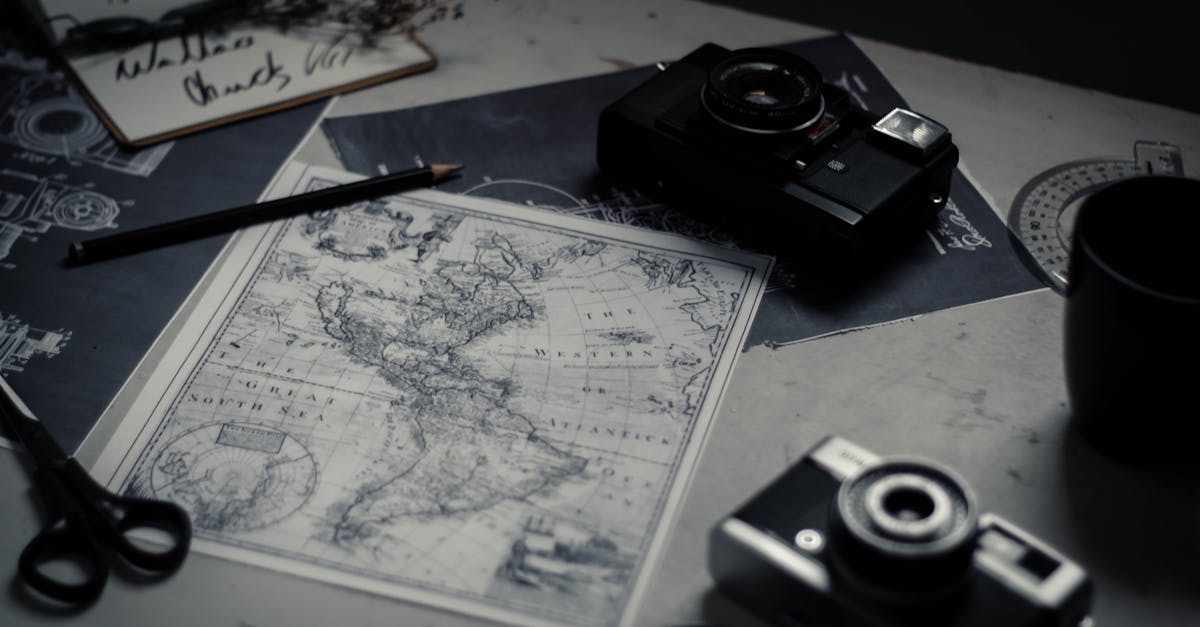
I’ve watched too many beginners drop $5,000 on gear they don’t need while skipping the $50 items that would actually improve their photos. Let’s fix that.
What You Actually Need
A Camera Body That Gets Out of Your Way
Any modern mirrorless camera from Canon, Sony, Nikon, or Fuji made after 2020 is good enough. I mean that seriously. The differences between a $1,000 body and a $3,000 body matter far less than the differences between a photographer who practices and one who doesn’t.
Buy used. Buy refurbished. Buy last generation. Put the savings into lenses and experiences.
One Good Lens (Not Three Mediocre Ones)
For most beginners, a 35mm or 50mm prime lens will teach you more about photography in six months than a bag full of zooms. Primes force you to move, think about composition, and work with what you have.
If you insist on a zoom, one 24-70mm f/2.8 or the budget-friendly 28-75mm f/2.8 from Tamron or Sigma covers 80% of shooting situations. That’s your workhorse.
A Decent Memory Card
Buy a name-brand card (SanDisk, Sony, Lexar) with UHS-II speeds. A 128GB card costs about $25. Buy two. The $8 off-brand card that corrupts your files from a once-in-a-lifetime shoot is the most expensive mistake you’ll ever make.
A Rocket Blower and Microfiber Cloth
$10 total. Clean your sensor and lenses. Dust spots in post-processing are the most annoying waste of time in photography.
A Bag That Fits Your Actual Kit
Not the biggest bag. Not the coolest looking bag. The one that holds what you own and doesn’t kill your back. A simple camera insert for a regular backpack works fine when you’re starting out.
What’s a Waste of Money (For Now)
Filters You Don’t Understand
UV filters are unnecessary on modern lenses. ND filters are useless if you don’t know when to use them. A polarizer is genuinely useful, but learn to shoot without one first so you understand what it actually does.
A Tripod You’ll Never Carry
That massive $200 tripod is worthless if it stays home because it’s too heavy. Either buy a light travel tripod you’ll actually bring or skip it until you need one for a specific purpose (long exposures, video, astrophotography).
Lighting Gear Before You Understand Light
A $300 flash kit collects dust faster than any other photography purchase. Master natural light first. Learn to see light direction, quality, and color. Then invest in artificial lighting when you understand what you’re trying to control.
Extra Camera Bodies
One body, one lens, one card. Shoot with that for six months. You’ll learn what you actually need rather than what YouTube told you to buy.
Expensive Editing Software
Lightroom and Photoshop are $10/month, but free alternatives like Darktable and RawTherapee are legitimately good. Start free. Upgrade when you hit their limitations.
The Real Essential Nobody Talks About
Time in the field. Every hour you spend reading gear reviews (including this one) is an hour you’re not shooting. The best investment in your photography is shooting 10,000 bad photos until the good ones start happening.
I’ve seen stunning work shot on 10-year-old cameras with kit lenses. I’ve seen boring photos from $10,000 setups. The gear doesn’t make the photo. You do.
A Realistic Starter Budget
| Item | Budget Option | Mid-Range Option |
|---|---|---|
| Camera body (used) | $500 | $1,200 |
| One prime lens | $150 | $400 |
| Memory cards (x2) | $50 | $80 |
| Cleaning kit | $15 | $15 |
| Bag/insert | $30 | $80 |
| Total | $745 | $1,775 |
That’s it. Go shoot.
Comments (4)
The workflow tools section is right up my alley. I'd add that investing in a good calibrated monitor pays for itself faster than any new lens.
This plus your article on a similar technique has completely leveled up my work.
Really helpful article. I've been following this site for a few months now and the content keeps getting better.
Just tried this technique and WOW. The before and after difference is incredible.
Leave a Comment