Canon 200-800mm vs. the Field: What Tony & Chelsea's Wildlife Lens Shootout Actually Proves

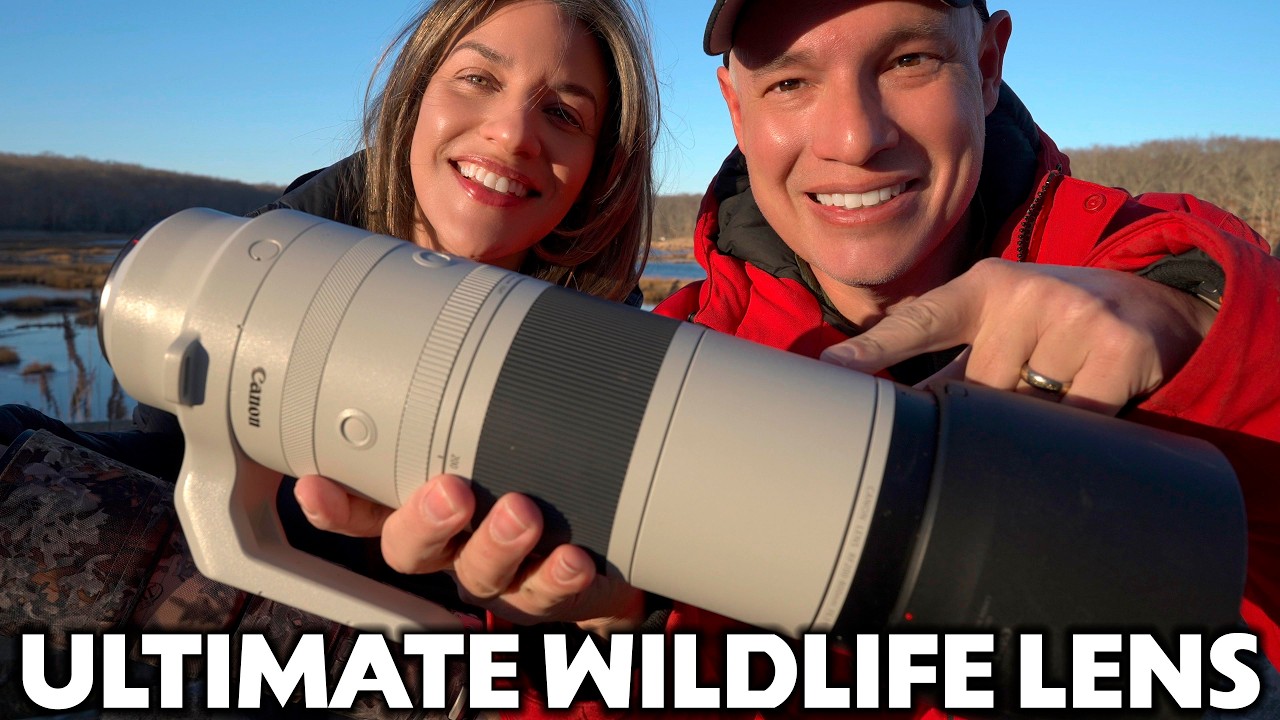
Canon 200-800mm vs. the Field: What Tony & Chelsea's Wildlife Lens Shootout Actually Proves

I’ve been down the wildlife lens rabbit hole more times than I care to admit. Every time I think I’ve landed on the right setup, something new drops and the math changes. The tension I keep running into is this: do you buy a dedicated super-telephoto zoom and be done with it, or do you stack a solid mid-range zoom with a teleconverter and call it good? That question has a real cost attached to it, and for Canon shooters especially, it’s been frustratingly hard to answer because the options until recently were either too short or too expensive.

Sigma's New 20-60mm F2.8-4 Could Be the Kit Lens Upgrade You've Been Waiting For

Sigma's New 20-60mm F2.8-4 Could Be the Kit Lens Upgrade You've Been Waiting For

Sigma’s New 20-60mm F2.8-4 Could Be the Kit Lens Upgrade You’ve Been Waiting For Sigma just dropped something that’s been missing from the market for a while: a genuinely practical, reasonably priced full-frame zoom that doesn’t feel like a compromise. The new 20-60mm F2.8-4 DG Contemporary is here, and I think it deserves serious consideration from anyone who’s felt underwhelmed by their kit lens. A Real Alternative to the Standard Kit Setup Let’s be honest—kit lenses get a bad reputation for a reason.

What a Pro Travel Photographer Actually Packs in 2019 (And What You Can Learn From His Logic)

What a Pro Travel Photographer Actually Packs in 2019 (And What You Can Learn From His Logic)

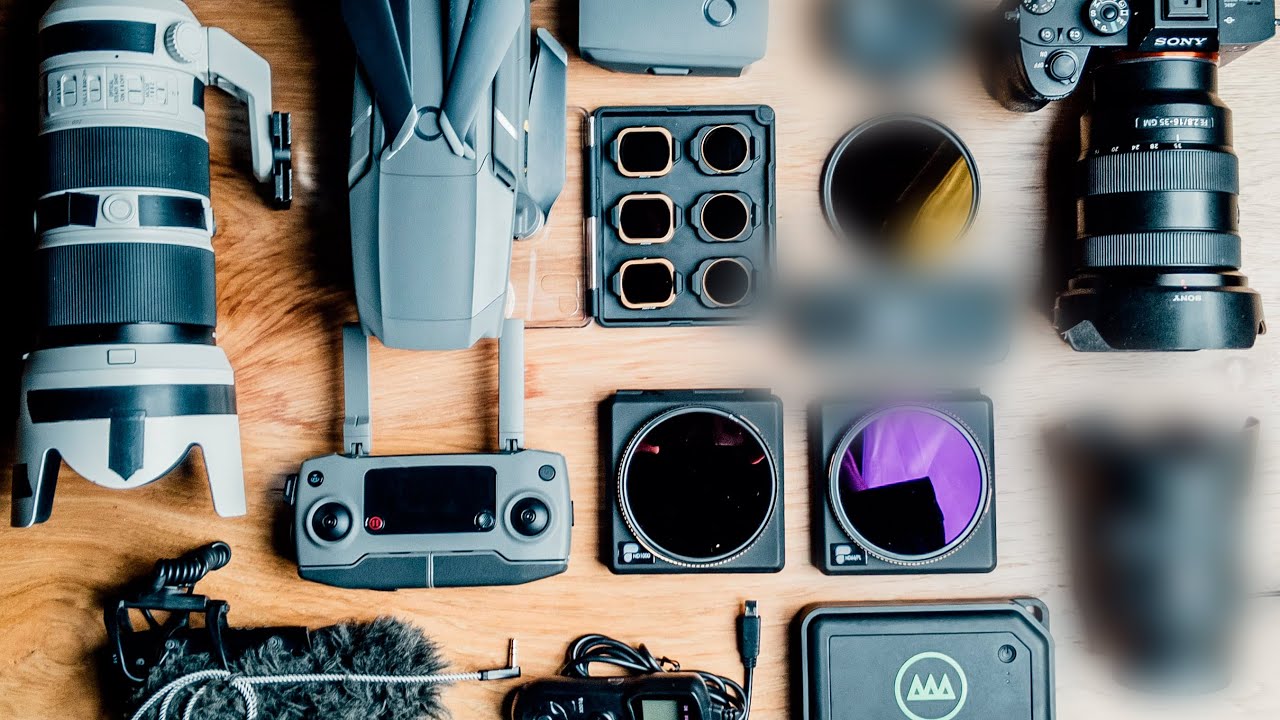
Every few months I’ll watch a gear video from a photographer whose work I respect, not to copy their kit, but to reverse-engineer their decision-making. The interesting stuff is never the gear itself. It’s why they kept something, why they almost cut it, and how they organize the bag for a real trip. That thought process is harder to find than another 4K lens review. In this Pierre T. Lambert tutorial, filmed on location in California while he was preparing for a trip to Polynesia, Pierre walks through every piece of gear in his travel and street photography bag for 2019.

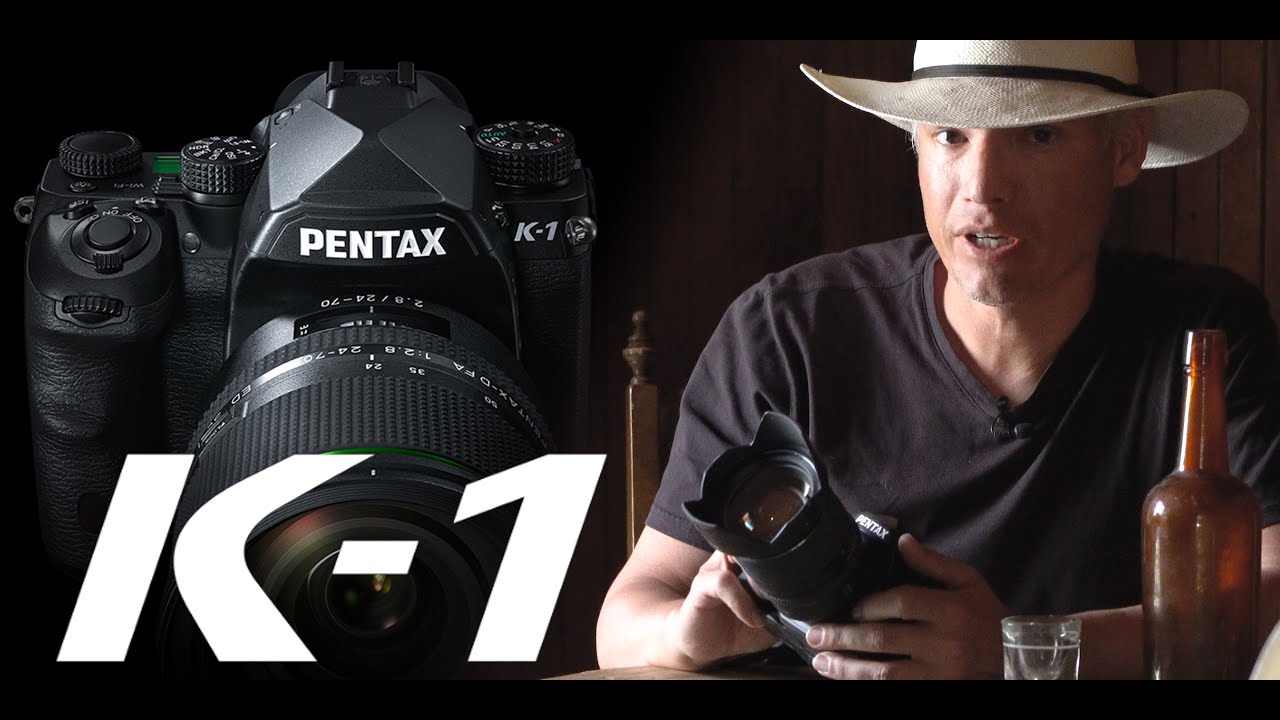
Pentax K-1 for Landscape Photography: What Tony Northrup's Real-World Test Actually Reveals

Pentax K-1 for Landscape Photography: What Tony Northrup's Real-World Test Actually Reveals

I’ve spent years arguing that the camera matters less than most people think. Then I started paying closer attention to which features actually move the needle in the field, and a pattern emerged: it’s rarely megapixels, and it’s almost never brand name. It’s the small ergonomic stuff that saves you from missing shots or contorting yourself into a pretzel at golden hour. That’s exactly why this Tony & Chelsea Northrup review of the Pentax K-1 caught my attention.

Winter Wildlife Photography: How to Keep Your Gear (and Yourself) Alive When It's Freezing Out

Winter Wildlife Photography: How to Keep Your Gear (and Yourself) Alive When It's Freezing Out

Living in Denver means I don’t get the luxury of skipping winter shooting seasons. The elk are out. The light is incredible. The temperatures are absolutely brutal. And for a while, I was doing everything wrong - bringing my camera straight from a 10-degree field into a 70-degree car, wondering why my lens kept fogging up, and draining batteries faster than I could swap them. I lost at least two solid shooting sessions to gear problems before I started taking cold-weather prep seriously.

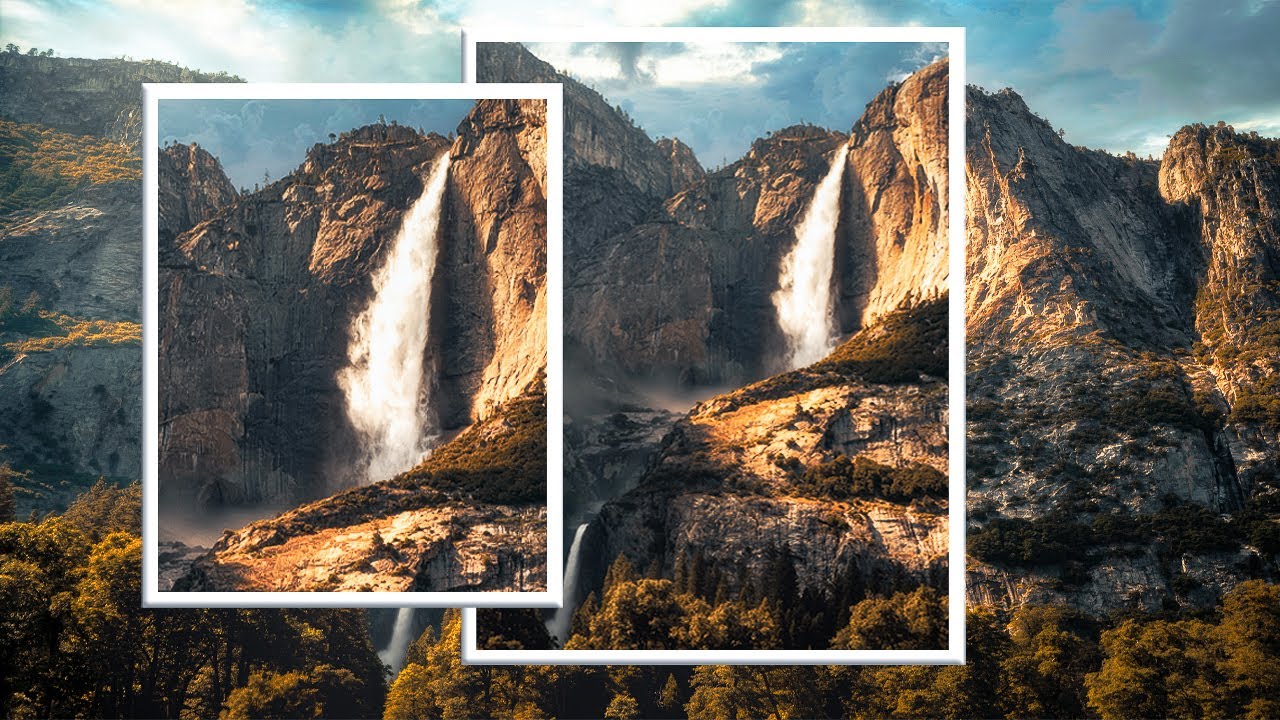
The Edit Is Half the Photo: Chelsea Northrup's Step-by-Step Workflow for Natural-Looking Results

The Edit Is Half the Photo: Chelsea Northrup's Step-by-Step Workflow for Natural-Looking Results

I used to think good editing meant heavy editing. Crank the clarity, push the saturation, slap on a preset, done. It took me an embarrassingly long time to figure out that the best edits are the ones that look like you didn’t edit at all. They just make the photo feel more like what you actually saw when you pressed the shutter. That’s exactly what Chelsea Northrup demonstrates in this tutorial, and it reframed how I think about the entire post-processing step.

GoPro Just Got Sold to a Company That Didn't Exist Last Week — Here's What Actually Happened

GoPro Just Got Sold to a Company That Didn't Exist Last Week — Here's What Actually Happened

I’ve spent years arguing that gear matters less than most people think. But even I’ll admit that who owns your gear matters quite a bit, especially when that company is on the edge of bankruptcy and just got acquired by a buyer that didn’t legally exist 48 hours before the deal was announced. When Tony Northrup dropped his breakdown of the GoPro acquisition, I cleared my morning and watched the whole thing.

Should You Buy a Refurbished iPhone at Walmart Instead of Apple? Here's What I Found

Should You Buy a Refurbished iPhone at Walmart Instead of Apple? Here's What I Found

Should You Buy a Refurbished iPhone at Walmart Instead of Apple? Here’s What I Found I’ve spent years hunting for the best deals on photography gear, and I’ve learned one thing: cheaper doesn’t always mean smarter. That principle applies directly to refurbished phones, especially when you’re considering using them as your mobile camera. Walmart is aggressively pricing refurbished iPhones below what Apple charges for the same devices. On paper, this sounds amazing.

What Shooting Anamorphic for the First Time Actually Teaches You (Sirui Full-Frame Lens Breakdown)

What Shooting Anamorphic for the First Time Actually Teaches You (Sirui Full-Frame Lens Breakdown)

I’ve spent years arguing that the gap between cheap gear and expensive gear is smaller than most people think. But there’s one area where I kept hitting a wall when talking to videographers: anamorphic lenses. For a long time, “anamorphic” meant “renting glass that costs more than my car” or slapping a janky clip-on adapter on a kit lens and hoping for the best. That changed when full-frame anamorphic lenses from companies like Sirui started landing in the sub-$1000 range.

How to Stop Grabbing the Wrong Lens on Location (Mark Denney's 4-Question Framework)

How to Stop Grabbing the Wrong Lens on Location (Mark Denney's 4-Question Framework)

I used to burn the first 20 minutes of every golden hour just standing there second-guessing myself. Wide or telephoto? Should I move closer? Is this even the right spot? By the time I committed to a composition, the light had already peaked and I’d missed the window. I shoot on a budget, which means I’m usually rocking two lenses max, and somehow that made the paralysis worse, not better. When you have fewer options, you’d think it would be easier to decide.

Canon RF 15-35mm f/2.8 Review: Is Built-In Stabilization Worth It on a Wide-Angle Lens?

Canon RF 15-35mm f/2.8 Review: Is Built-In Stabilization Worth It on a Wide-Angle Lens?

Wide-angle lenses are where I see photographers waste the most money. They chase maximum sharpness at the edges, obsess over distortion charts, and end up buying twice because they didn’t think through how they’d actually use the lens in the field. My whole thing is finding gear that solves real problems without burning your budget. But every once in a while, a higher-end piece of kit does something genuinely new, and it’s worth paying attention.

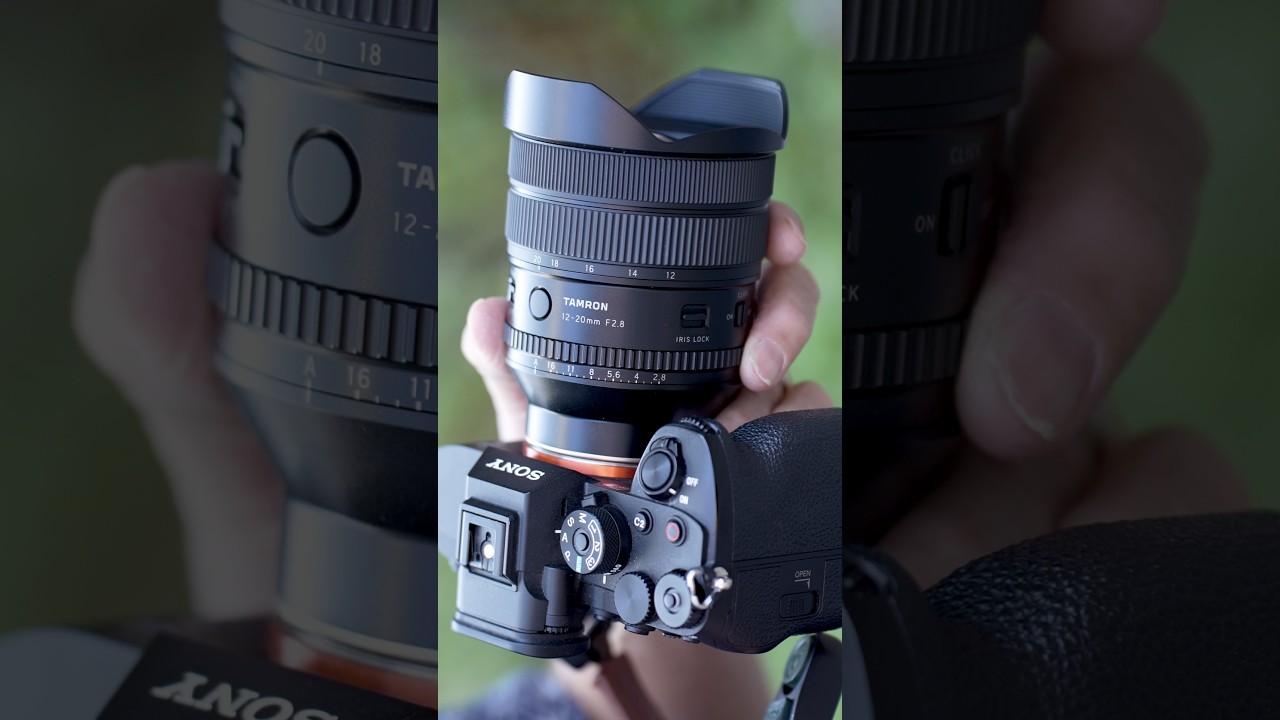
Tamron 12-20mm f/2.8 Review: A Cine-Style Ultra-Wide That Finally Makes Financial Sense

Tamron 12-20mm f/2.8 Review: A Cine-Style Ultra-Wide That Finally Makes Financial Sense

I’ve been avoiding ultra-wide lenses for years. Not because I don’t want one, but because every time I looked seriously at what was available for full-frame cameras, the math stopped making sense. A Sony G Master 12mm runs over three grand. That’s not a lens purchase, that’s a used car decision. And for someone who shoots wide angles maybe a dozen times a year, for group shots, interior architecture, and the occasional night sky outing, that number has always been a hard stop.